
Biochar, long promoted as a soil improver, can now earn growers income from energy and carbon credits as well, according to the Nuffield Australia Farming Scholarship research of Paul McGorman, Global Agriculture reported.
Biochar is made in pyrolysis reactors, which burn biomass with little oxygen. McGorman said it first reached growers as a way to improve soil structure and fertility more than a decade ago, with mixed results. "The science then was not at the level needed to fully capitalise on investment. That has now changed," he said.
His report found that companies now build reactors that reliably make biochar suited to many uses, at scale and on demand. Markets reach well beyond soil: urban green spaces and parks, building materials such as concrete, asphalt and insulation, steelmaking, water filtration and land remediation.
The syngas the reactors give off can be used as energy while power prices are high. The biggest earner for larger plants, he said, is the international carbon credit market, where biochar is "considered among the most trusted of the carbon sequestration strategies".
McGorman toured reactor makers and farm businesses that run reactors profitably. The study changed his own farming: he sold his mixed cropping farm on Kangaroo Island, South Australia, to set up an orchard business on the mainland, whose woody prunings suit biochar production.
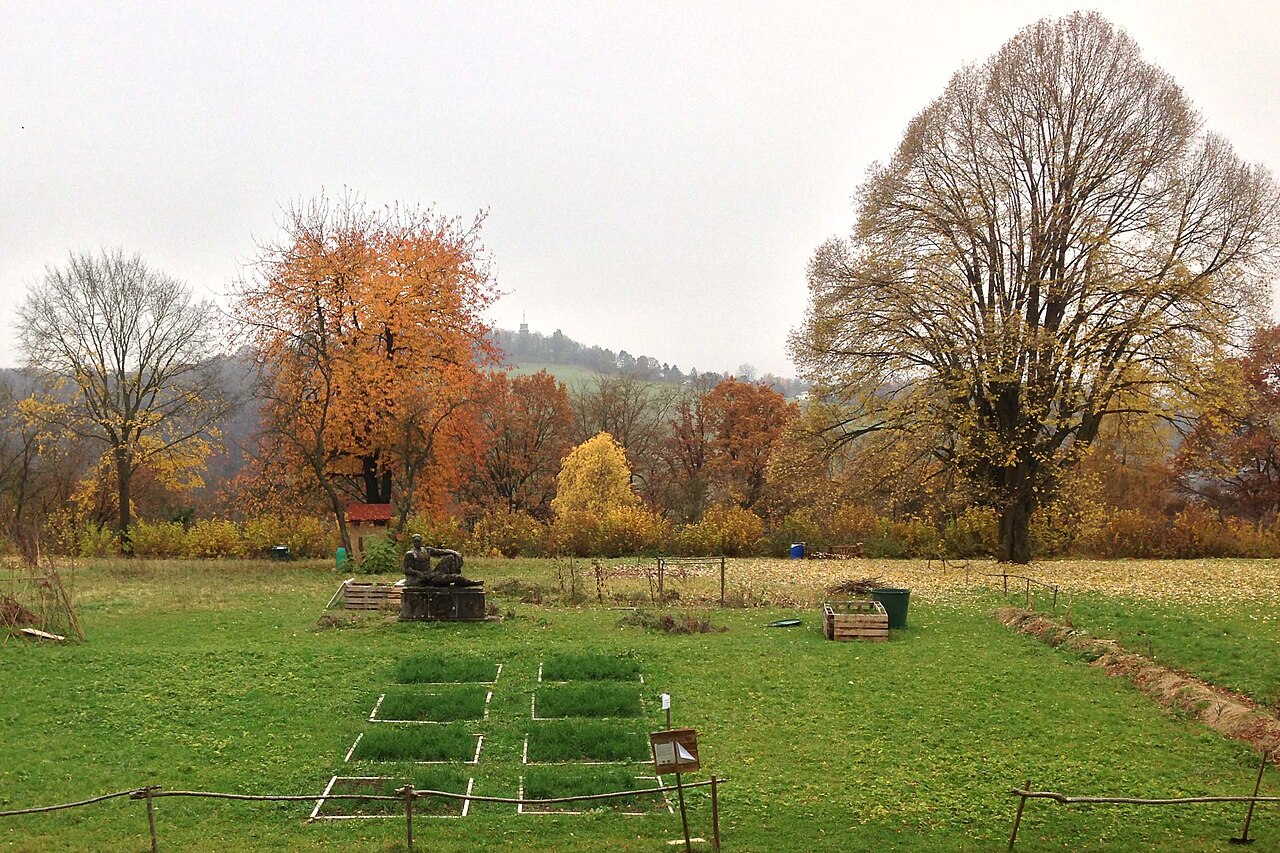
Photo: Klaeren / Wikimedia Commons (CC BY-SA 3.0)
Source: Global Agriculture


Comments
(0)