
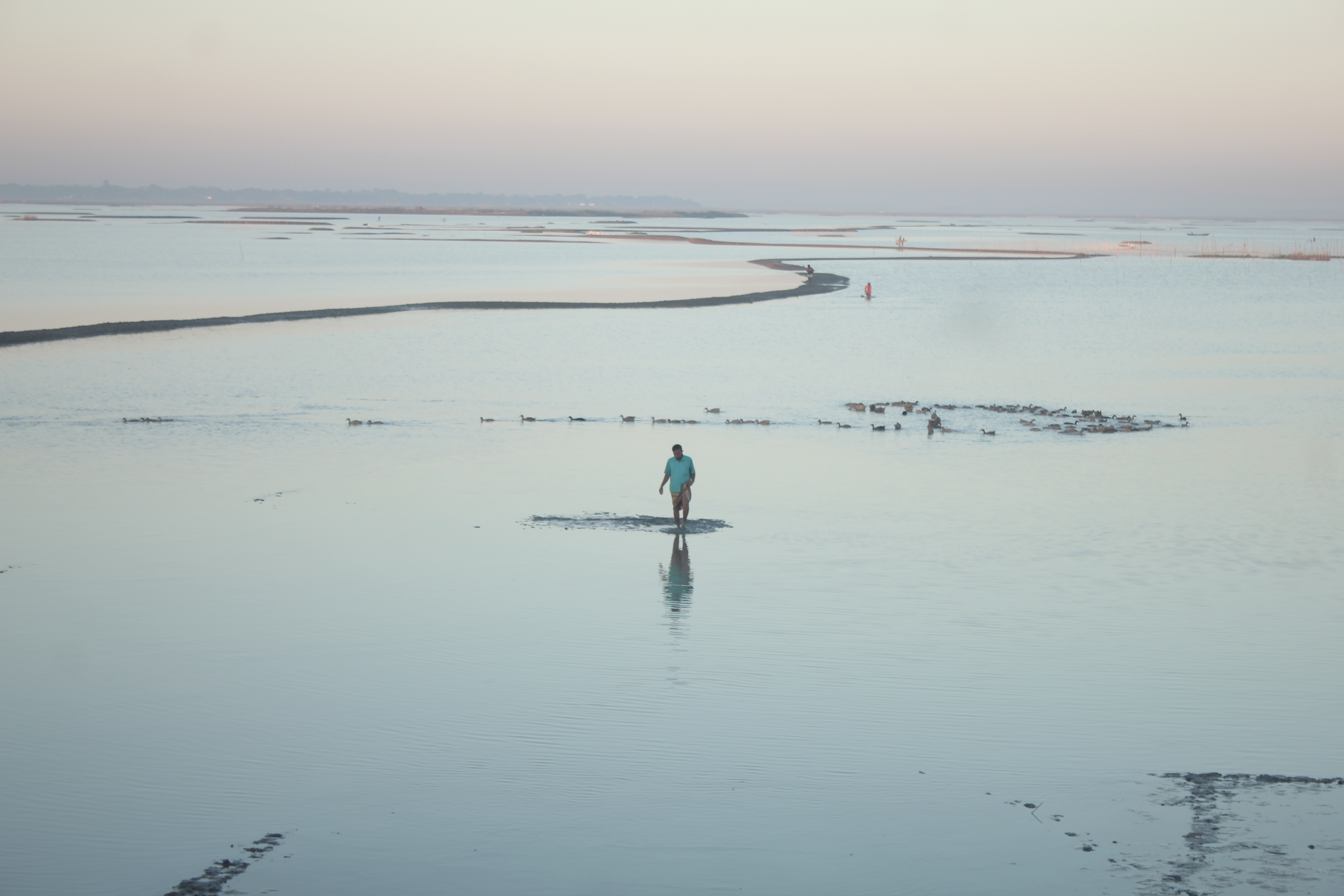
Heavy Rain Likely in Three Divisions for Three Days, Flooding Possible
The Flood Forecasting and Warning Centre has forecast heavy rain over the next three days in Mymensingh, Sylhet and Rangpur divisions, which could cause short-term flooding.
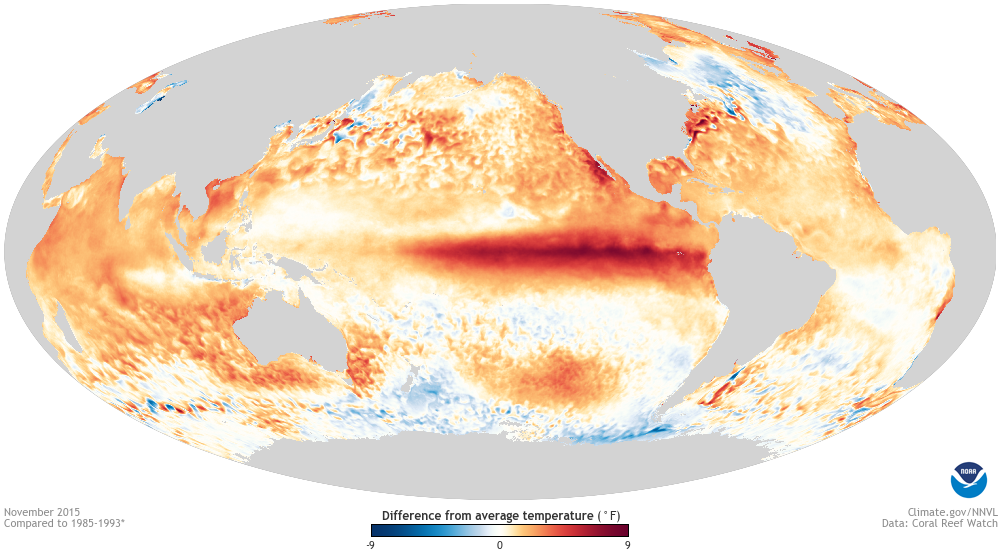
A new El Nino declared by NOAA on 11 June could break all records, raising the risk of floods, droughts, heatwaves and food crises across the world.
EnvironmentIn May 2026 forecasters said El Niño was strengthening fast in the Pacific and could become one of the strongest on record, and a University of Reading scientist warned it could bring record global temperatures in 2027.
CropsRiver levels in Kishoreganj were falling on 7 May 2026 and the sun was out, but sudden showers were hampering haor farmers saving and drying boro paddy; the DAE put submerged paddy at 11,122 hectares up to 4 May.
With rain easing and the sun out after days of cloud, Kishoreganj's rivers are falling and haor farmers are busy saving and drying their paddy.
With two-thirds of the haor paddy under water and harvested grain rotting, Baishakh has turned from a festival month into one of mourning for Habiganj's farmers.
Heavy rain could bring floods to five districts in the north-east, the Flood Forecasting and Warning Centre said, with several rivers already above the pre-monsoon danger level.
A flash-flood forecast has spread fear among Netrokona's haor farmers, who are rushing to cut half-ripe boro paddy despite diesel and labour shortages.
Intense heat and sudden changes in humidity are causing litchis to crack on the trees in Rajshahi, leaving farmers worried.
A hailstorm at the start of the season has left mango growers in Chapainawabganj, especially in Shibganj, fearing heavy losses to young fruit.
After a few warmer days, dense fog and a biting wind returned to Dinajpur, worrying farmers about boro seedbeds and potato fields.
Less fog and weak north-westerly winds have eased the cold in the second half of January, the Met Office says.
Severe cold and dense fog are killing boro rice seedlings in Gaibandha, leaving farmers worried about transplanting on time.