
Crops
Aman Prices Falling, Worries Grow Over Boro
Aman paddy prices have fallen sharply amid continued rice imports, leaving farmers worried about getting a fair price for the boro crop about to be harvested.
Aman paddy prices have fallen sharply amid continued rice imports, leaving farmers worried about getting a fair price for the boro crop about to be harvested.
Early rain and waterlogging have damaged low-lying boro fields in Netrokona's haors, and fuel and labour shortages are adding to farmers' costs as the harvest begins.
A Kalia farmer who learned about black rice on YouTube has harvested a good crop from 10 decimals, sparking interest among neighbours.
 Crops
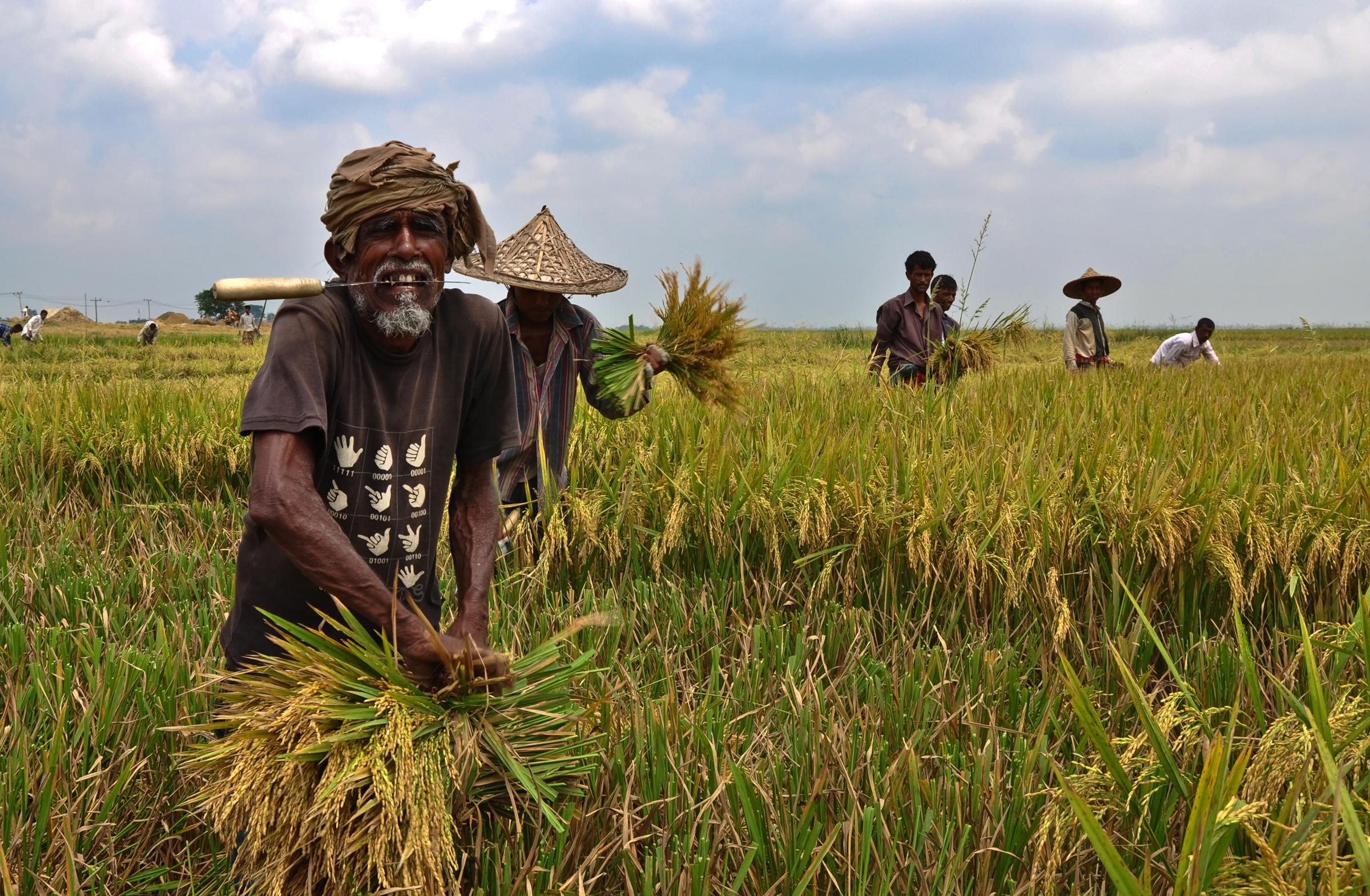
At sunrise on Pohela Boishakh, 14 April 2026, more than a lakh farmers went into at least 25 haors of Sunamganj to cut boro paddy. The district agriculture department put that season's boro area at 223,500 hectares.
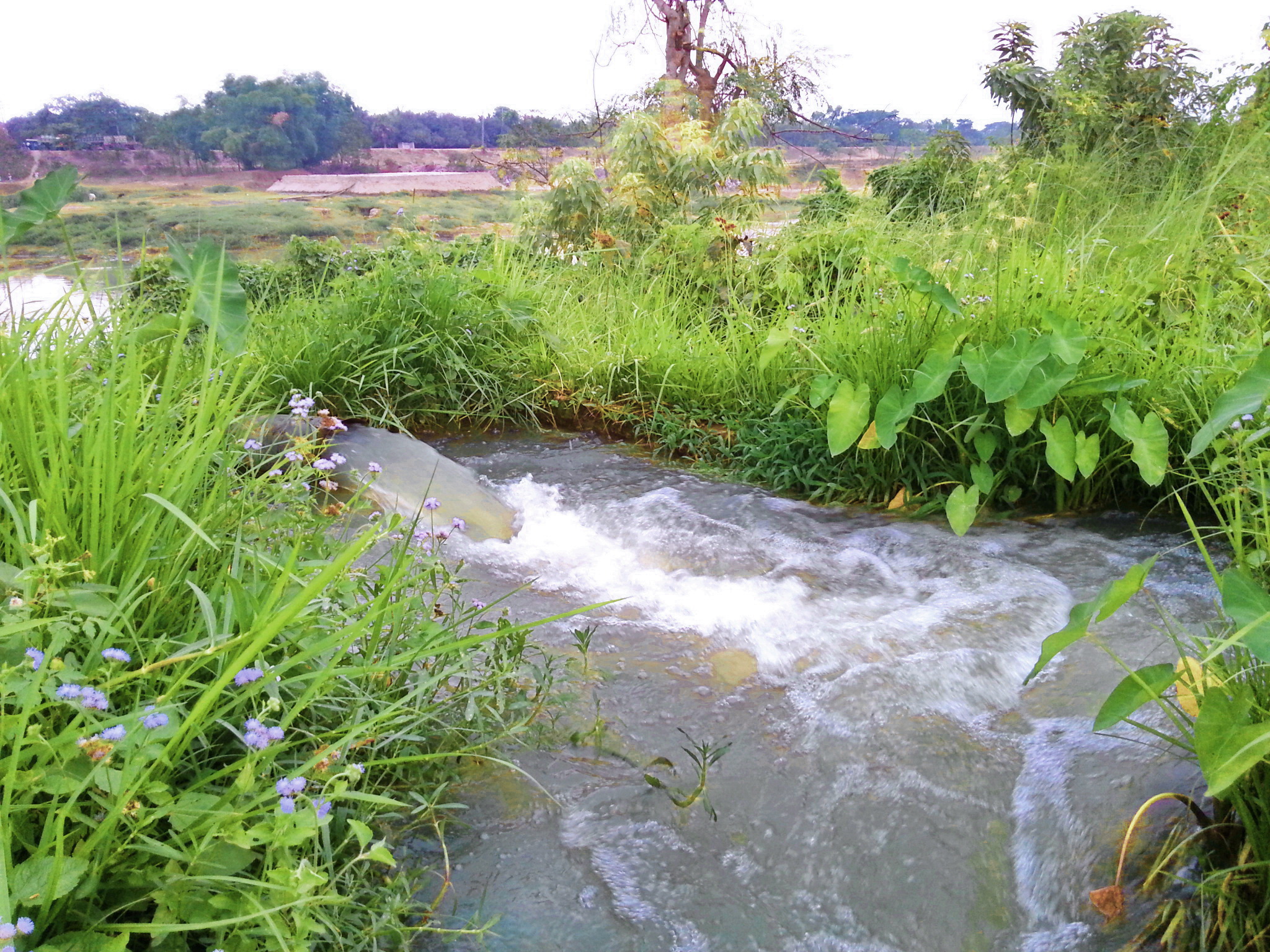
A canal that carries water all year has turned Kamalla village in Feni's Fulgazi upazila into a hub of chemical-free vegetable farming.
 Crops
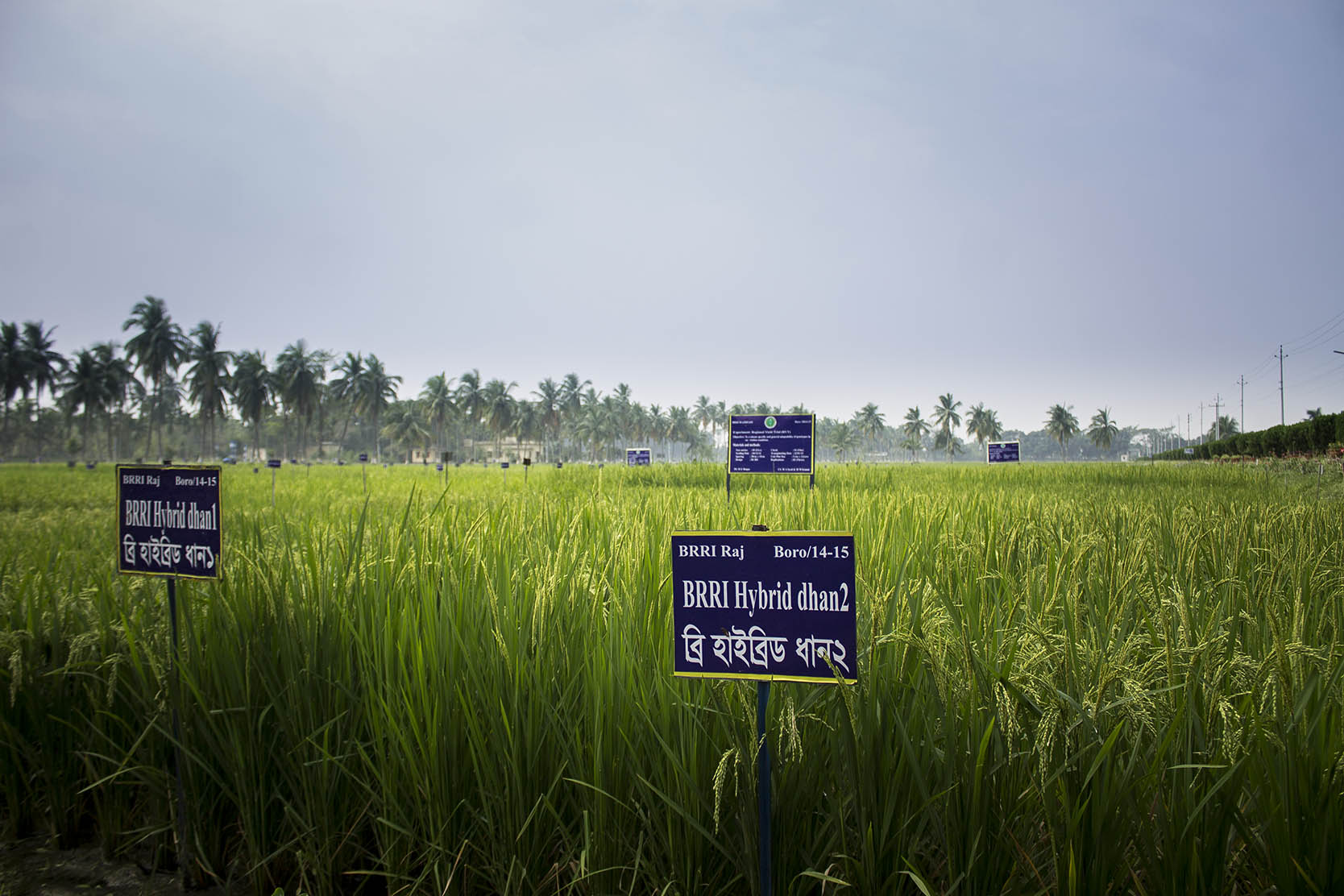
On 9 April 2026, agriculture and environment specialist Samiran Biswas warned that heat was disrupting flowering and grain filling in boro rice. Earlier BRRI and DAE advice is to hold 2 to 3 inches of water in the field until the grains harden.
Days of continuous rain have submerged large areas of boro paddy in Habiganj's haors, leaving sharecroppers and indebted farmers fearing their ripening crop will rot.
 Crops
Farmers in the west field of Nandanpur, Chapainawabganj Sadar, said in early April 2026 that at least 50 irrigation pumps and transformers had been stolen in three months. With diesel also short, they feared for boro paddy on about 200 bighas; police said no complaint had been filed at the station.
A fuel oil crisis has left Gaibandha farmers who rely on diesel shallow pumps unable to irrigate boro paddy at a critical stage.
Heavy rain has waterlogged haors across Netrokona, submerging unripe boro paddy two weeks before harvest and leaving thousands of farmers in despair.
Solar-powered irrigation pumps installed in two beels of Narail Sadar upazila have cut farmers' costs and freed them from worries about diesel and electricity.
CropsTwo spells of hail on 24 March 2026 damaged boro paddy on about 4,000 hectares across Kishoreganj, the district agriculture department's first count showed, with Mithamain and the other haor upazilas hit hardest.
Dinajpur farmers are busy planting Irri-Boro rice after lifting mustard and potatoes, though fertiliser, power and deep tubewell problems are causing hardship.