
Crops
Haor Farmers Weep in Silence as Paddy Is Lost
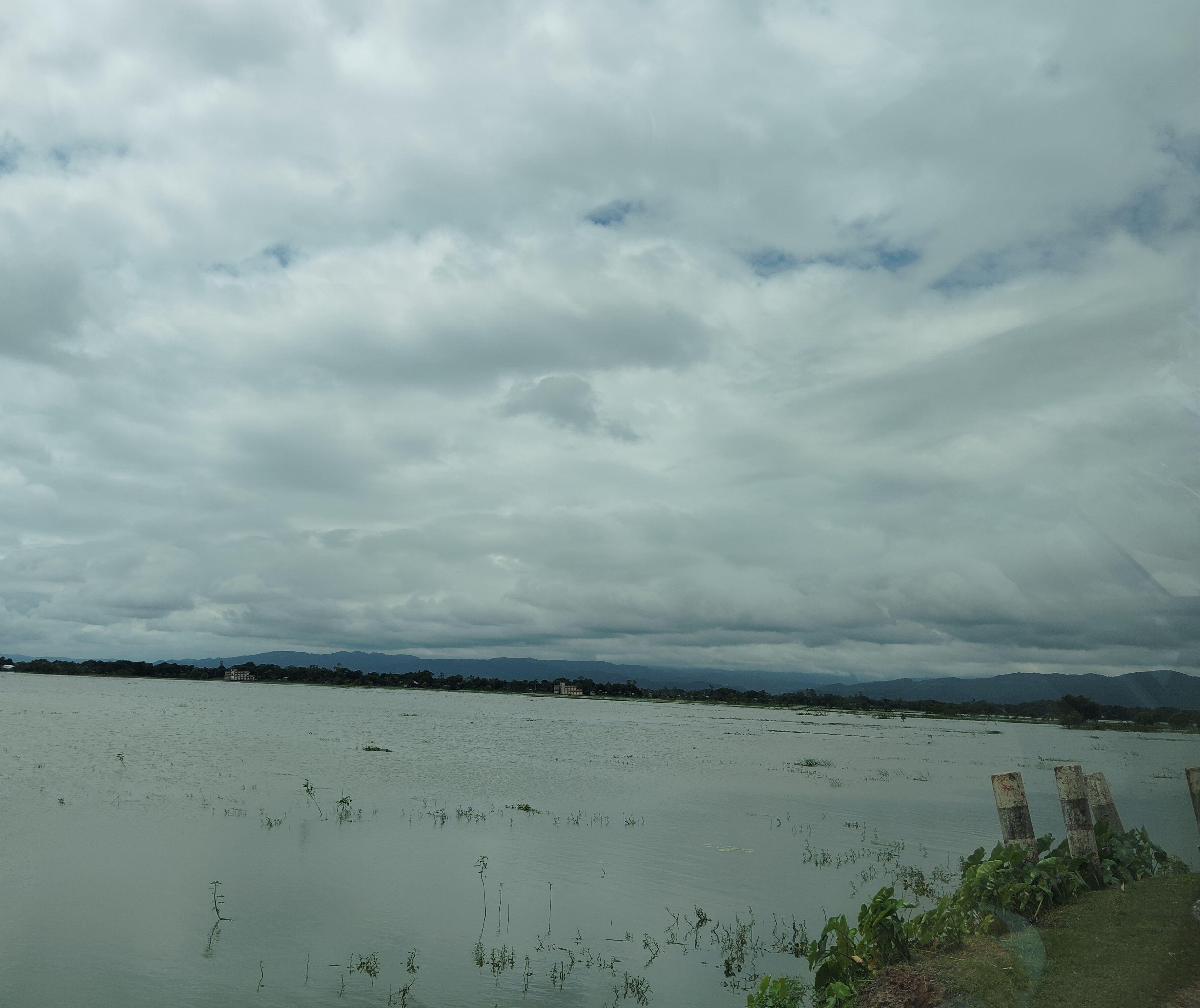
Several days of heavy rain have submerged Boro paddy in most of Sunamganj's haors, leaving farmers who depend on this single crop in despair.
Several days of heavy rain have submerged Boro paddy in most of Sunamganj's haors, leaving farmers who depend on this single crop in despair.
Four spells of rain and hail since mid-March have stalled the boro harvest in Netrokona and Moulvibazar; Netrokona puts its losses at Tk 62.65 crore and the prime minister has promised three months of support for affected farmers.
Kishoreganj recorded 160 millimetres of rain in 24 hours, submerging about 3,000 hectares of boro paddy in the haors, according to the agriculture department.
 Crops
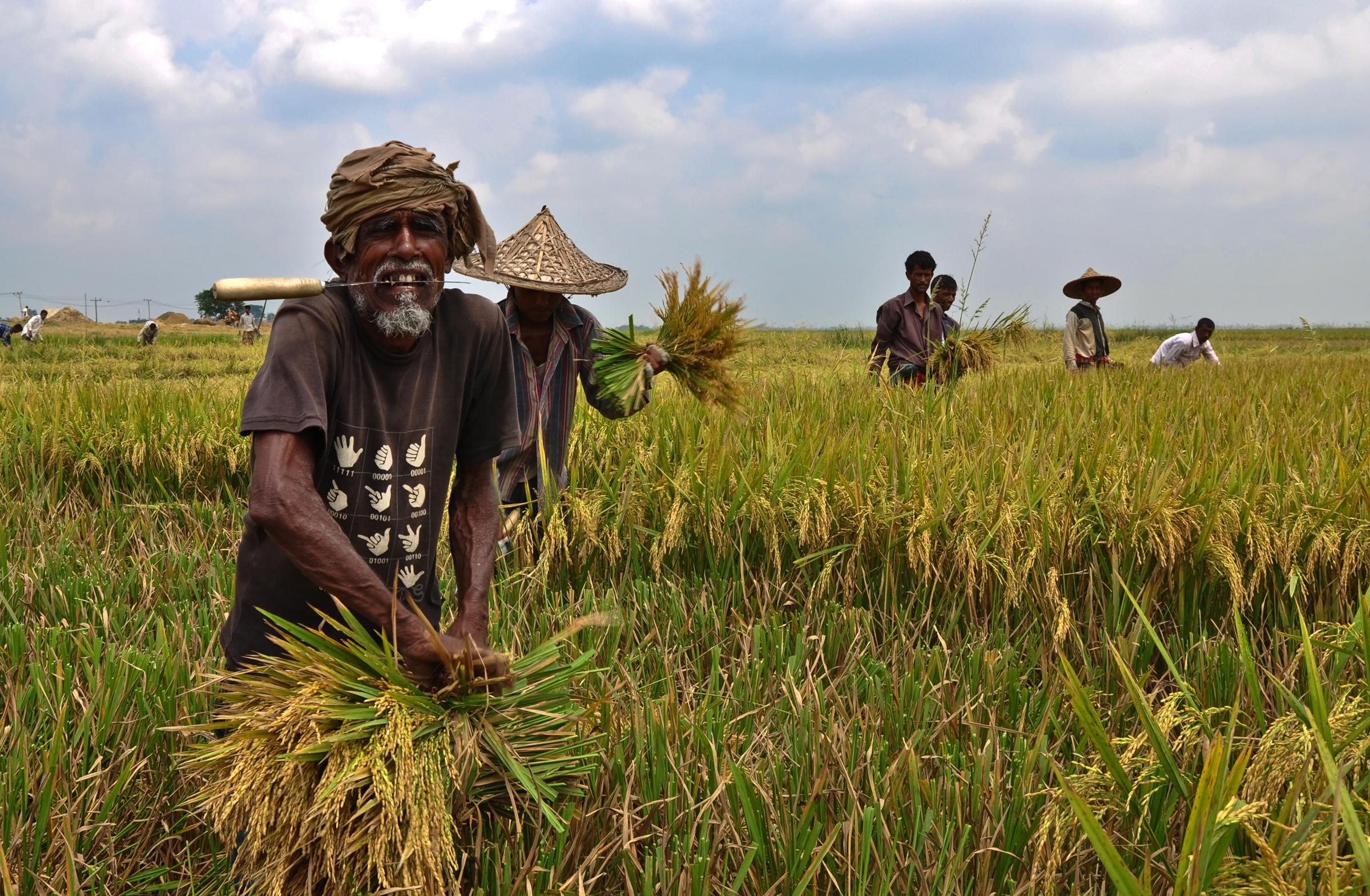
Two days of continuous rain and hill runoff on 28 and 29 April 2026 put ripe boro paddy under water across Kamalganj, Rajnagar and Sadar upazilas of Moulvibazar, while the DAE said 83 percent of the haor crop but only 17 percent of the non-haor crop had been cut.
Three days of heavy rain have waterlogged the low-lying haors of Kishoreganj, submerging ripe boro paddy just as the harvest was in full swing.
An embankment in the Eranbil haor of Sunamganj's Madhyanagar upazila gave way under pressure from hill water, submerging some boro crops.
Bangladesh Meteorological Department data show 3,658 people killed by lightning between 2015 and 2025, with Sunamganj in Sylhet the worst-hit district; meteorologists trace the risk to haor moisture, the hills to the north-east and the collision of dry and humid air masses.
A flash-flood forecast has spread fear among Netrokona's haor farmers, who are rushing to cut half-ripe boro paddy despite diesel and labour shortages.
CropsBoro farmers in Netrokona's haors told Jagonews24 in April 2026 that some traders were taking 42 to 45 kg of paddy for each 40 kg maund, which they called a new 'oppression'; traders blamed wet paddy and food officials said they would look into it.
Habiganj's haors have a bumper boro crop this season, but paddy prices at their lowest in years leave farmers unable to cover costs or repay advances.
CropsOn 22 April 2026, with the Surma 54 cm higher and 2 cm below its danger level, haor farmers in Sunamganj cut boro paddy before it fully ripened. Only 28,000 of 223,100 hectares had been harvested, the agriculture office said.
 Crops
With heavy rain upstream in Cherrapunji, India, threatening hill runoff, the Bangladesh Water Development Board on 22 April 2026 advised Netrokona haor farmers to cut their ripe Boro paddy quickly.
CropsAt sunrise on Pohela Boishakh, 14 April 2026, more than a lakh farmers went into at least 25 haors of Sunamganj to cut boro paddy. The district agriculture department put that season's boro area at 223,500 hectares.