
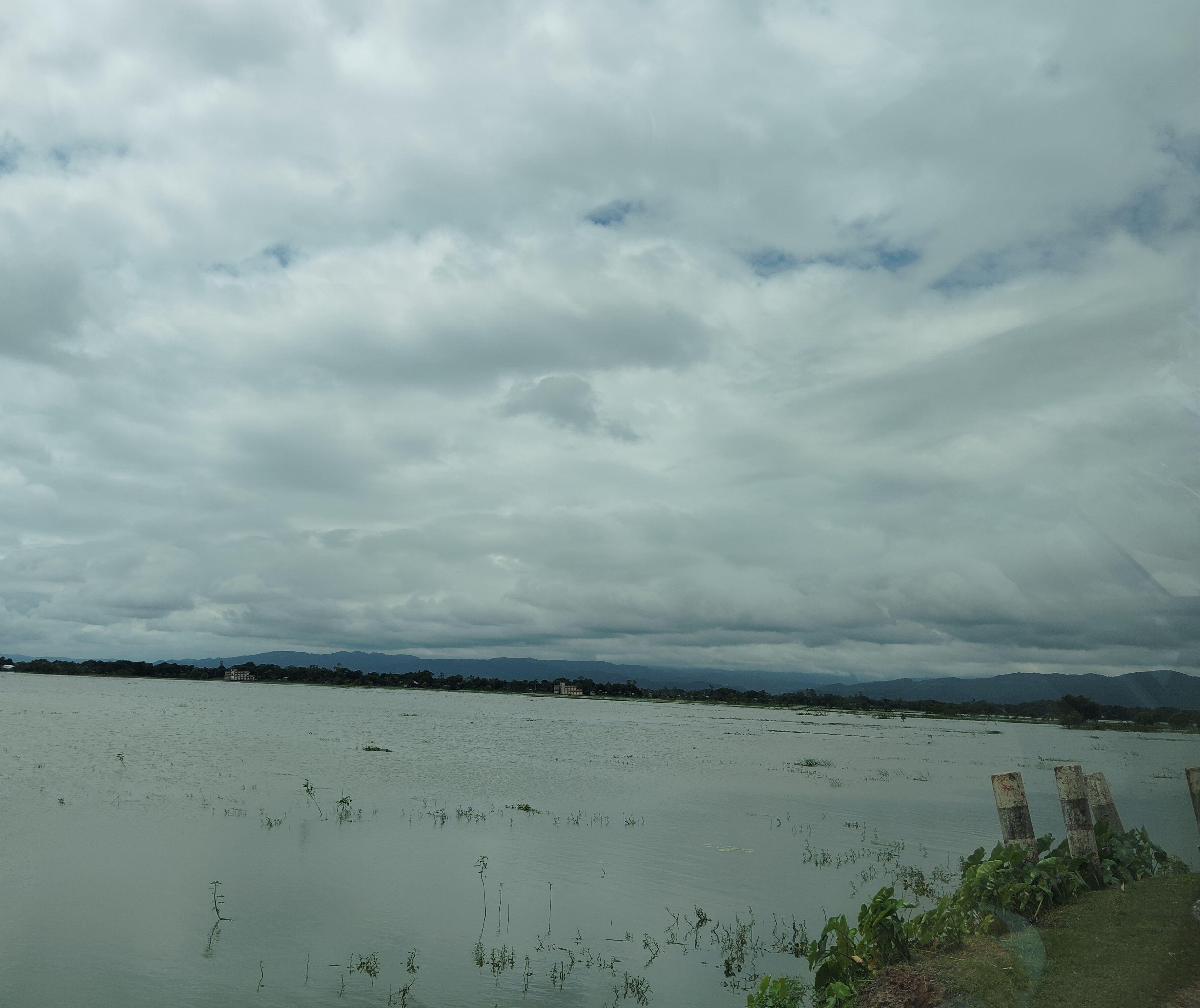
Heavy rain in Cherrapunji, India, upstream of Netrokona, was coming down the district's rivers as hill runoff on Wednesday, 22 April 2026, and the local office of the Bangladesh Water Development Board (BWDB) advised haor farmers to cut their ripe paddy quickly. The concern was an untimely flood that could ruin the maturing Boro crop.
Speaking that afternoon, Md Sakhawat Hossain, the BWDB's executive engineer in Netrokona, said it was risky to leave paddy standing in haor fields once 80 per cent of it had ripened. Netrokona had already had heavy rain, rainwater was still lying in the low parts of the haors, and upstream runoff would push the water higher.
Rain since Chaitra and rising rivers
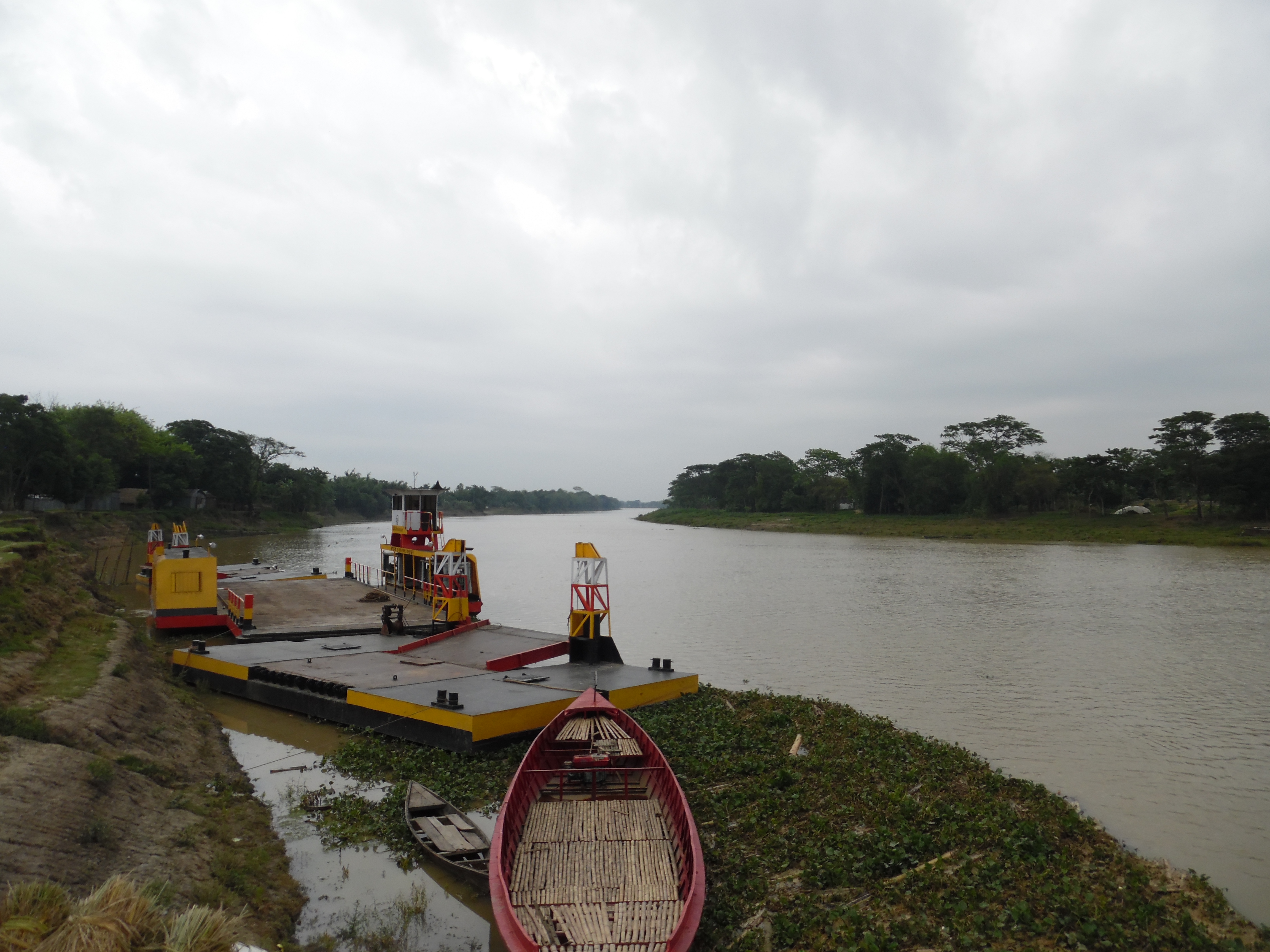
According to the BWDB, rain had been falling in Netrokona since the start of the Bengali month of Chaitra that year, and the excess had waterlogged several haors. When it rains upstream, hill water flows into the district and the Someshwari, Kangsha, Dhanu, Ubdakhali and other rivers rise, so an untimely flood could hit the haor area at any time.
Two weeks of rain had already lifted the Kangsha, Ubdakhali, Dhanu and several other rivers. Between Tuesday morning and 1pm on Wednesday, the Dhanu at Khaliajuri rose by about 2 feet. Nadir Hossain Shamim, the upazila nirbahi officer (UNO) of Khaliajuri, said the river had risen somewhat and rainwater had collected in some low-lying fields, so farmers had been told to harvest ripe paddy fast.
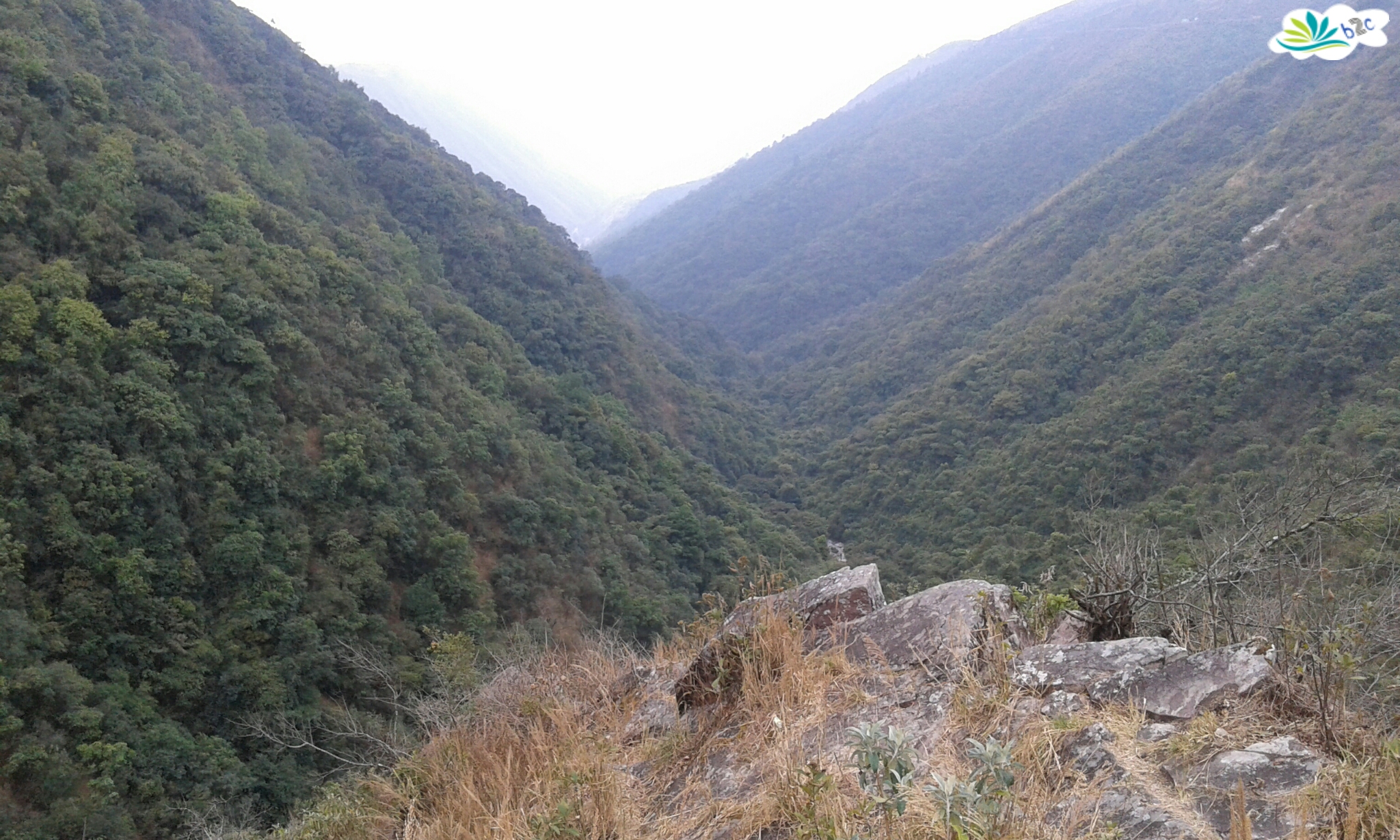
Cherrapunji, also called Sohra, is a town in the East Khasi Hills district of the Indian state of Meghalaya. Lying on the windward side of the Khasi Hills, it averages 11,777 millimetres of rain a year; only nearby Mawsynram has a higher average. These Meghalaya hills form the northern edge of the haor basin, which is why heavy rain there quickly reaches the low haors below.
Boro, the haor's only crop
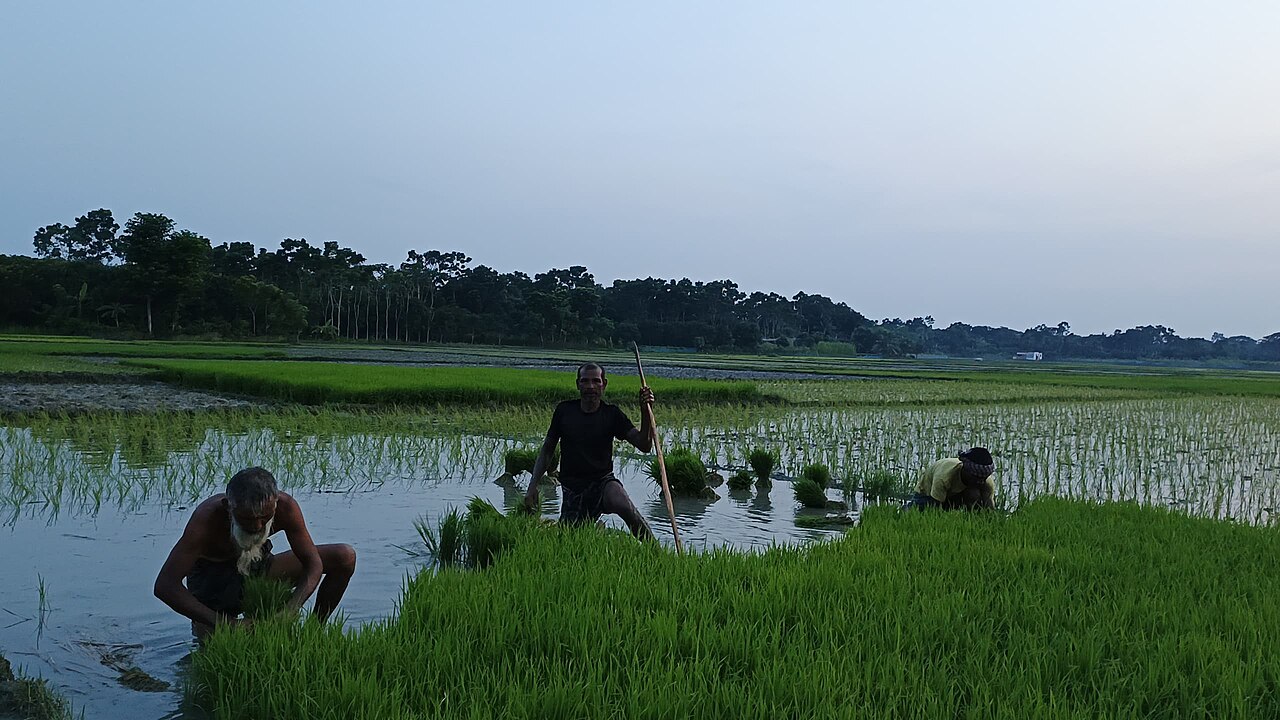
A haor is a bowl-shaped wetland depression in north-eastern Bangladesh. In the monsoon it fills from rivers and canals into a vast sheet of water; in the dry season the exposed land is planted with Boro rice. A Jugantor report of the same day said Khaliajuri, Mohanganj, Madan and parts of Kalmakanda make up Netrokona's haor area. Of the district's 134 large and small haors, 89 are in Khaliajuri, and farmers there rely on this single crop for a whole year's household, medical and schooling costs.
To protect the crop from early floods, 138 kilometres of submersible (temporary) embankments were built that year under the BWDB and upazila administrations, at an estimated cost of Tk 31 crore. The Boro crop on about 42,000 hectares depends on these embankments, and its market value was put at about Tk 700 crore. With the water rising, farmers feared losing their harvest to an untimely flood as they had in 2017.
Harvest in full swing, but short of hands
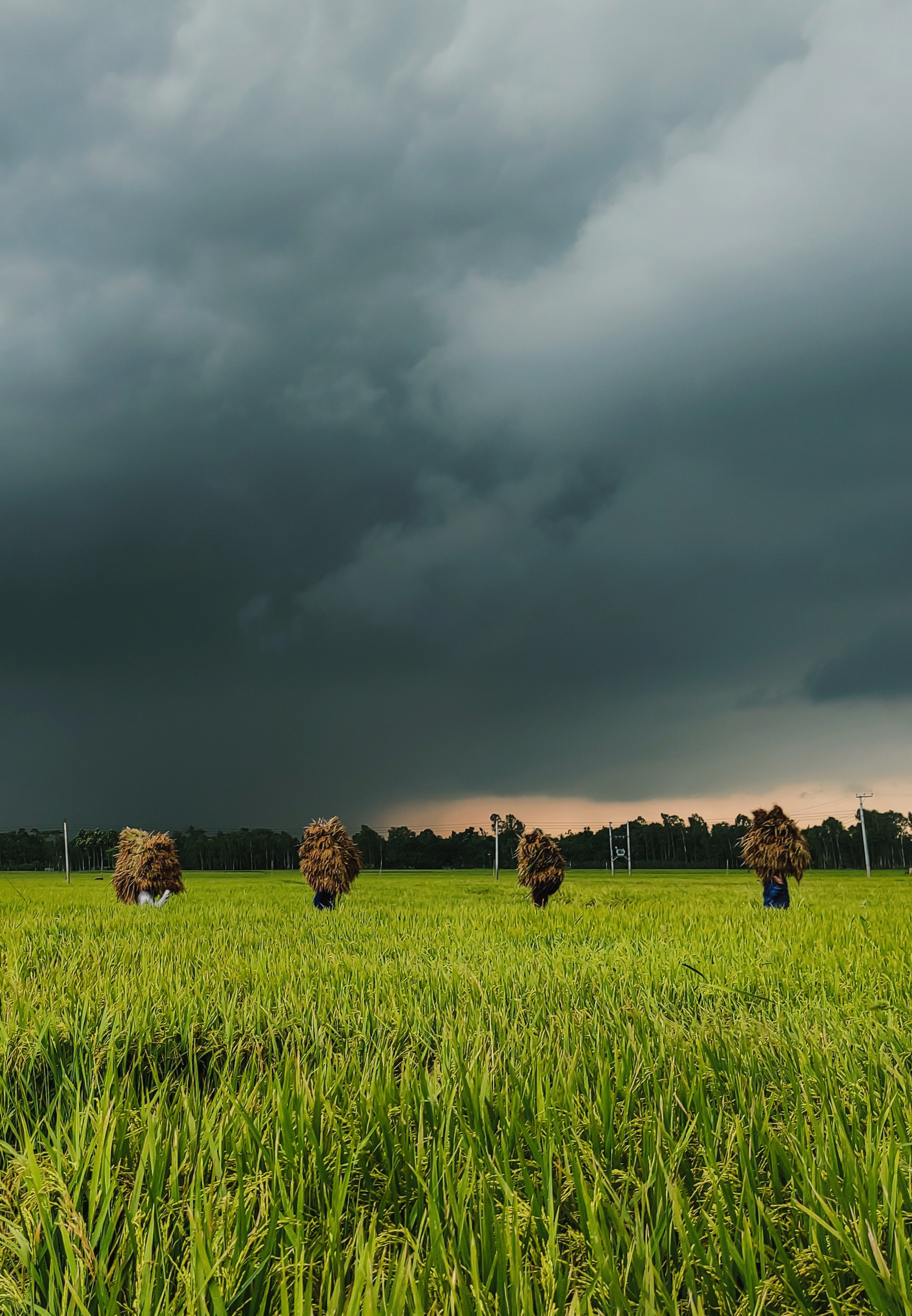
Md Delowar Hossain, the Khaliajuri upazila agriculture officer, said paddy had been planted on 20,232 hectares in the upazila, with a production target of 148,000 tonnes, and harvesting had begun in full that week. "We advised farmers to plant early varieties, but many plant fewer early varieties in the hope of higher yields," he said. Khaliajuri covers 297.64 square kilometres and had 96,345 people at the 2022 census.
Jugantor reported that standing water in many haors made it hard to use combine harvesters, and labourers were in short supply. Farmers said workers once came to the haors from across the country to cut paddy, but fear of death by lightning had cut their numbers, while the spread of machines meant local labourers no longer harvested as they used to.
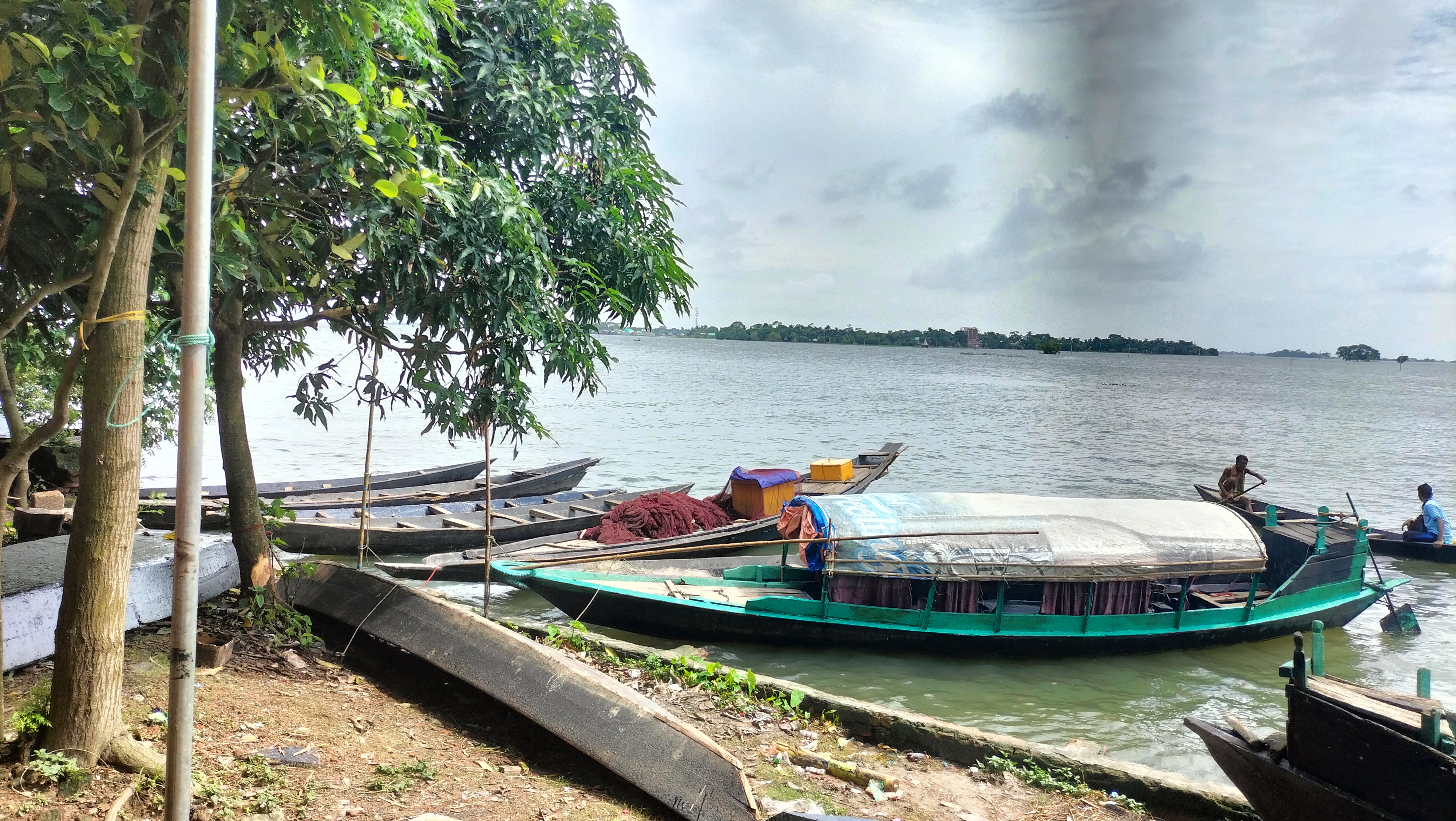
Photo: Redmin / Wikimedia Commons (CC BY 4.0)
Sources: Jagonews24, Daily Jugantor, Wikipedia (Cherrapunji, Haor, Khaliajuri Upazila)
Comments
(0)