
Crops
Mustard and Honey Bring Profits to Manikganj Farmers
Integrated mustard and honey farming in Manikganj is paying off for both farmers and beekeepers, with 120 beekeepers placing about 12,000 hives this year.
Integrated mustard and honey farming in Manikganj is paying off for both farmers and beekeepers, with 120 beekeepers placing about 12,000 hives this year.
A step-by-step guide to raising marigold plants from seed, from sowing in a tray to transplanting seedlings into the garden.
Climate change, rising salinity, river erosion and a lack of cultivation and care are wiping out the gol palm from coastal settlements, environmentalists warn.
A former music-shop owner in Sundarganj, Gaibandha, who switched from flowers to oranges after Covid, has sold about Tk 2.5 lakh of China mandarins this season.
Farmers across Manikganj are working from dawn to dusk to plant hali onion seedlings, though some fear losses if onion prices do not rise.
 Crops
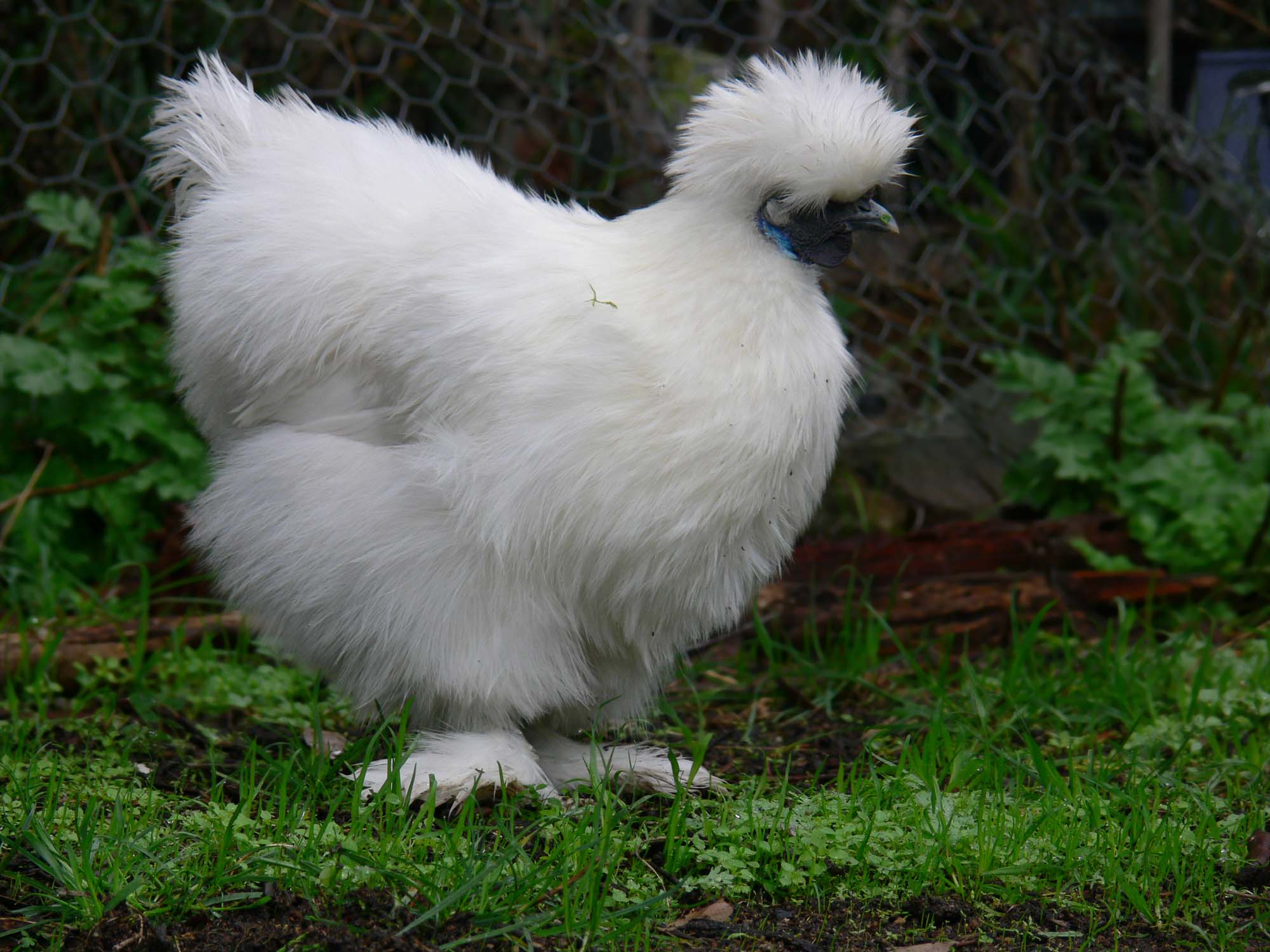
Antor Gorapi, a college student in Naria, Shariatpur, turned one pair of Silkie chickens into a farm of at least 100 birds of eight foreign breeds that, in December 2024, earned him at least Tk 30,000 a month.
A local farmer's hobby tea garden near the border in Matiranga upazila is opening new possibilities for tea production in Khagrachhari.
Pabna farmers growing the new summer onion variety BARI-5 expect 150 to 200 maunds a bigha at low cost, a crop that could ease the country's summer onion shortage.
 Crops
In December 2024 Jagonews24 reported that China, Darjeeling and mandarin oranges were spreading across 16 districts of northern Bangladesh, helped by the climate, the soil and support from the Department of Agricultural Extension.
A Sonargaon farmer expects a profit of about Tk 50,000 from cauliflower and bottle gourd leaves grown on two and a half bigha.
Farmers in Mirsarai upazila of Chattogram are profiting from winter bottle gourd, with prices higher than in other years.
A Gopalpur villager has started the first commercial production of vermicompost in Narail Sadar upazila, and local vegetable growers are using it instead of chemical fertiliser.
Pabna farmers are replacing chemicals with organic fertiliser and trap-based pest control, cutting costs, and 53,040 farmers have been trained in the methods.