
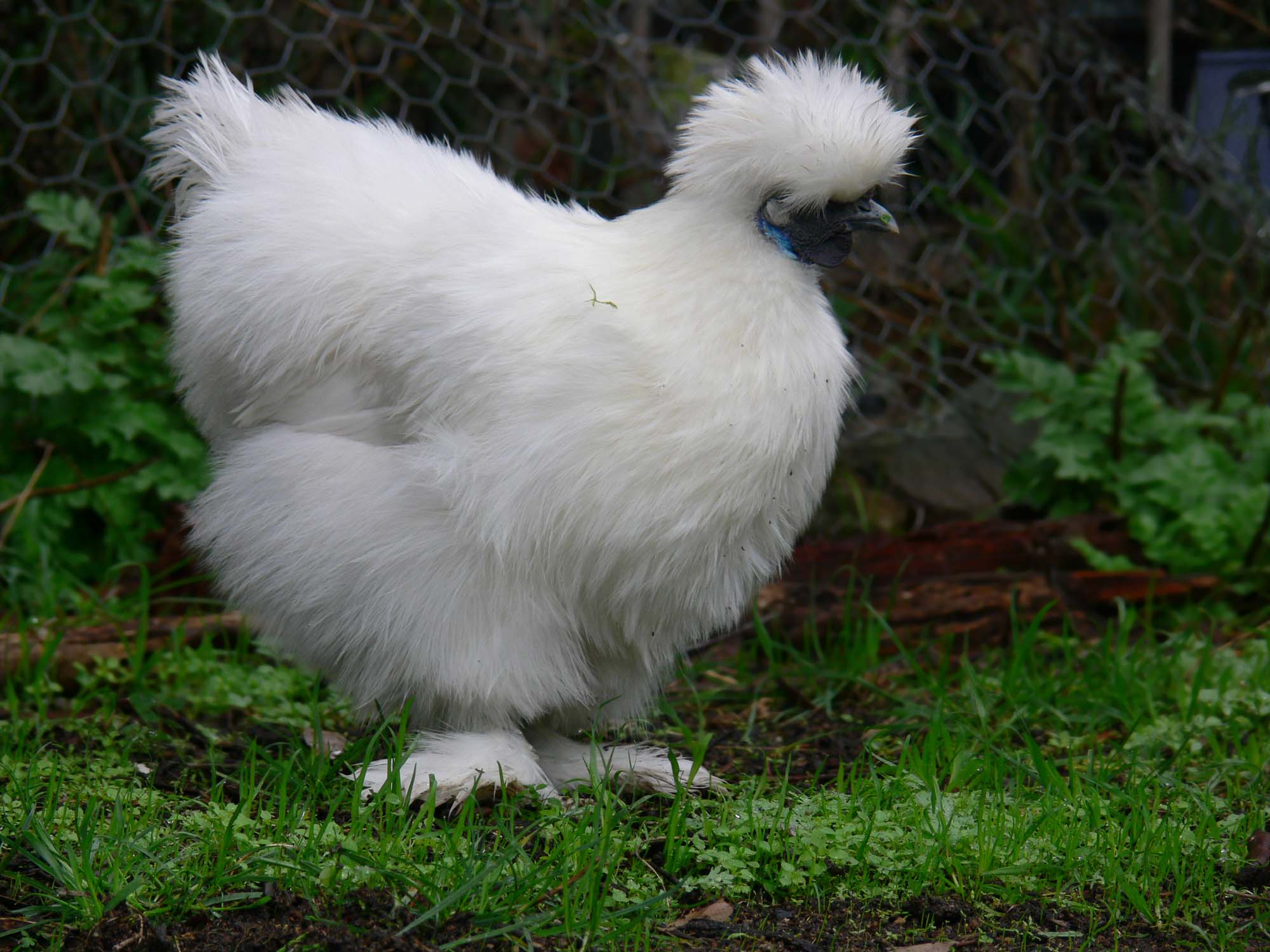
Antor Gorapi, a 24-year-old college student from Bhojeshwar union, Naria upazila, Shariatpur, found success rearing foreign ornamental chicken breeds, Jagonews24 reported on 27 December 2024. His farm then held at least 100 birds of eight breeds and earned him at least Tk 30,000 a month. The birds wear red, white and brightly coloured feathers; some have heads that look like a lion's mane, others like a white kadam flower.
Starting with one pair of Silkies
Antor is the younger son of Mokles Gorapi and Maksuda Khanam and a student at the local Upasi Taraprasanna Degree College. According to the report, he had started about a year earlier, after a European Short Silkie on a Facebook page caught his eye. With some money from his mother he bought a pair for Tk 4,500 in neighbouring Chandpur district. He hatched their eggs himself, sold the chicks and with that money gradually built up a farm of foreign breeds.
"After joining an animal and bird group on Facebook, I developed a passion for rearing foreign chicken breeds," Antor said. "Then, with some savings and some money from my mother, I brought home a pair of European Silkie chickens. I hatched their eggs and started selling the chicks. With the money from those chickens I collected other breeds. Now I earn Tk 30,000 a month."
The Silkie is a Chinese breed named for its unusually fluffy plumage, soft to the touch like silk or fur. It also has black skin and bones, blue earlobes and five toes on each foot, where most chickens have four. Silkie hens are strongly inclined to sit on eggs and are often used to hatch the eggs of other breeds, but they lay relatively few.
Eight breeds, chicks sold across districts
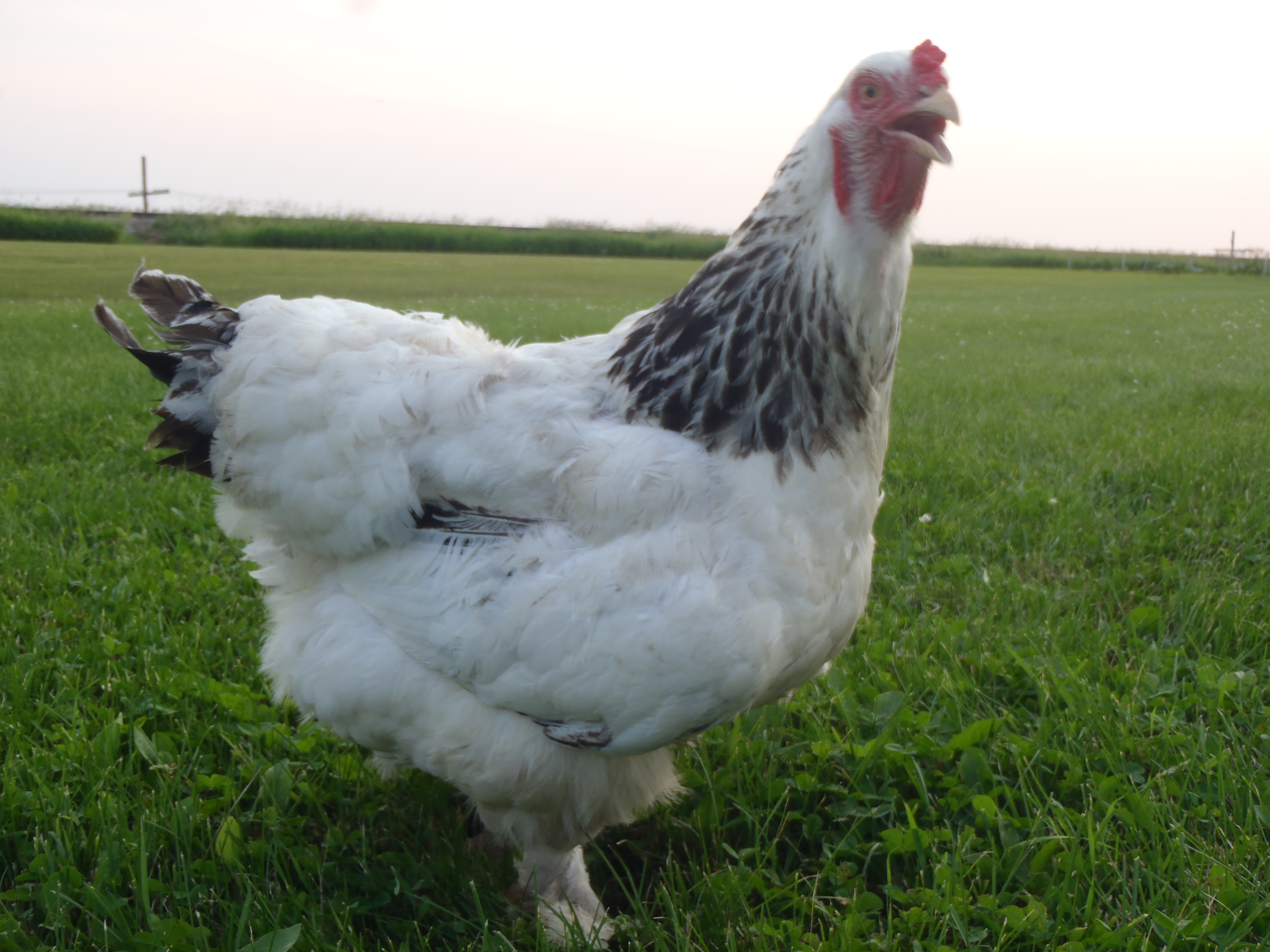
The farm then kept at least 100 birds of eight breeds, among them European Silkie, Indian Sultan, Columbian Light Brahma, Golden Sebright, Buff Polish Cap, Fayoumi and Tiger, worth an estimated lakh taka. A pair sold for Tk 10,000 to Tk 30,000. Chicks hatched from his birds' eggs went to several districts, including Rajshahi, Dinajpur, Sherpur and Faridpur. The income paid for his studies and pocket money, and he sometimes bought gifts for his parents.
According to The Livestock Conservancy, a US rare-breed conservation non-profit, the Brahma was developed in America from very large fowl imported from China through Shanghai, with a small contribution from Chittagong fowl of what is now Bangladesh, which left its mark on the head and comb. It was the leading US meat breed from the mid-1850s until about 1930, and the Light Brahma was its original variety.
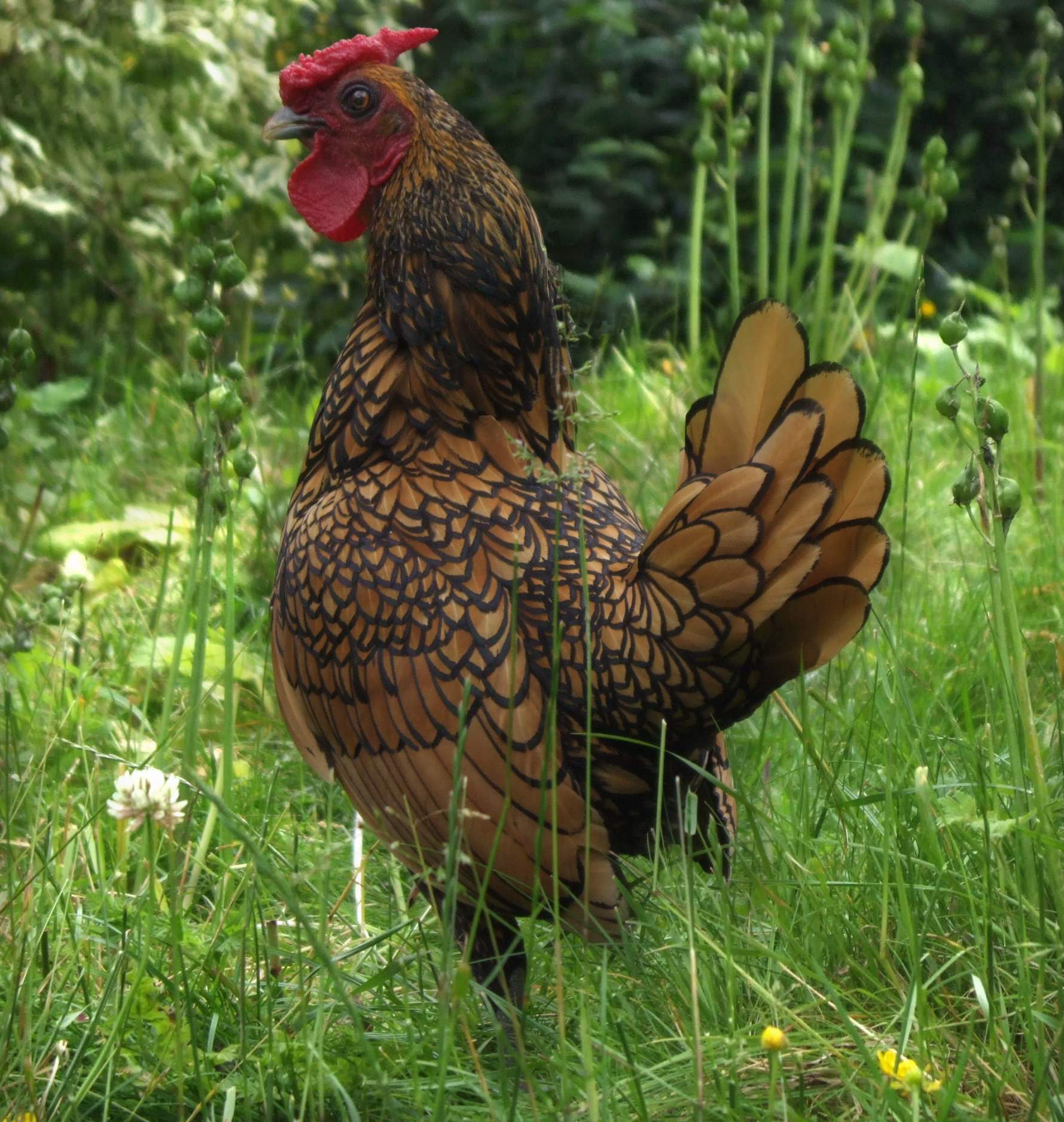
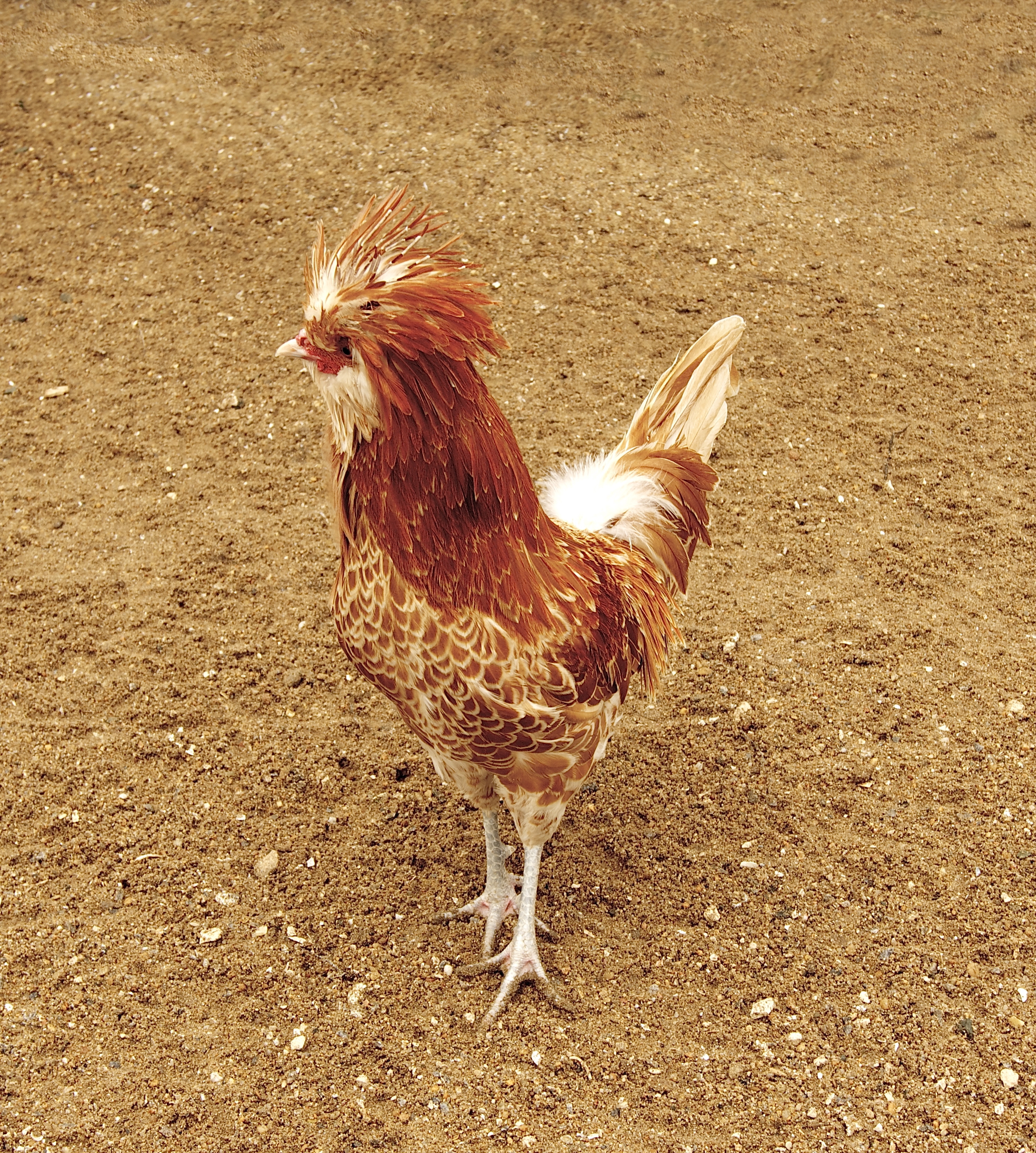
The Sebright is one of the oldest British bantams, created as an ornamental breed by Sir John Saunders Sebright in the early nineteenth century and prized for the dark lacing on each feather; it lays few, small white eggs. The Polish is a European crested breed with an abundant crest of feathers on the crown, of unknown origin and kept for show or ornament. The Fayoumi is an ancient Egyptian breed named after the Fayoum governorate south-west of Cairo; it is hardy, suited to hot climates and forages well.
What his family, neighbours and the livestock office said
His mother, Maksuda Khanam, said: "At first I was annoyed by my son's chicken rearing. Now, instead of wasting time with bad company, he spends his time on the chickens. He earns his own pocket money from it. He is doing something and becoming self-reliant, and that is not a bad thing."
Neighbours were also being drawn to rearing different breeds. "Antor is our neighbour. I really like that he rears such beautiful chickens," said Nargis Akter. "I have a lot of empty space at home, and I would like to get foreign chickens from him and rear them."
Shariatpur District Livestock Officer Dr Abu Bakar Siddique said: "Young people and teenagers are being inspired to rear different foreign chicken breeds and are becoming self-reliant. They are paying for their studies with the extra income and helping their families. We will always stand by them and offer our help."
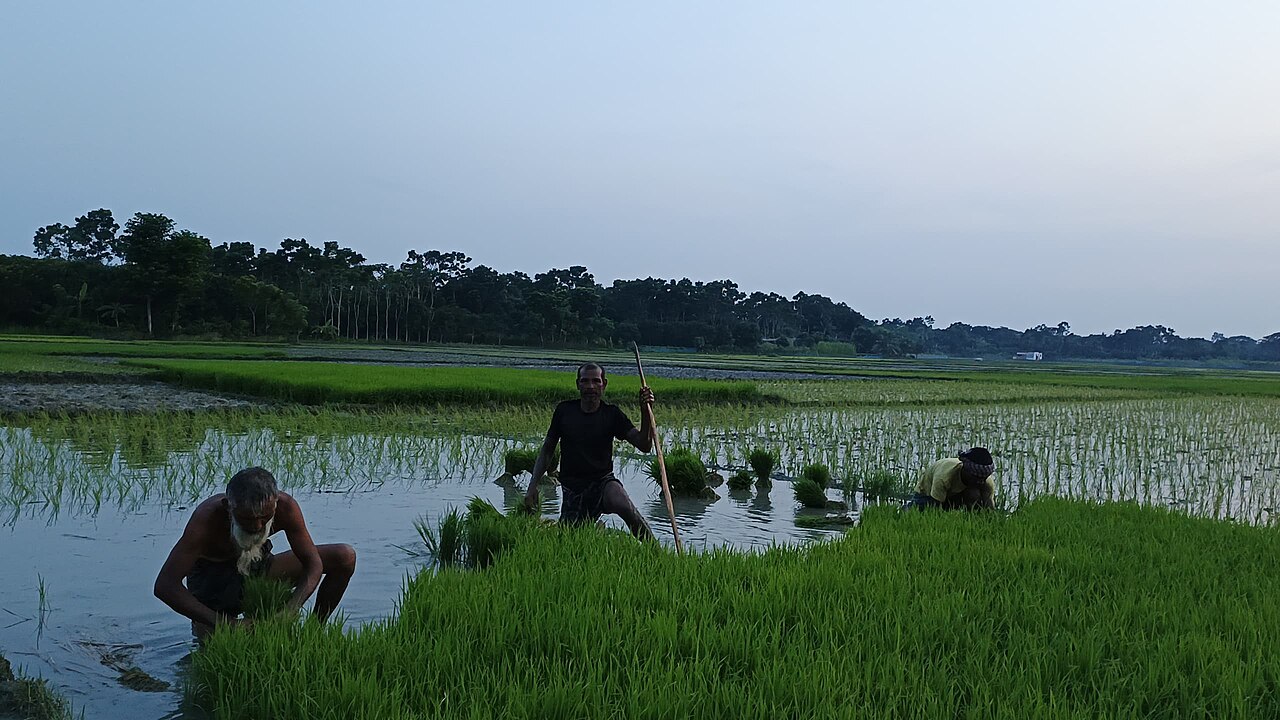
Shariatpur is a district of Dhaka Division, established on 1 March 1984. The Padma River runs along its north, and the Meghna to the east separates it from Chandpur, where Antor bought his first pair.
Photo: Benjamint444 / Wikimedia Commons (CC BY-SA 3.0)
Sources: Jagonews24, The Livestock Conservancy, Wikipedia
Comments
(0)