
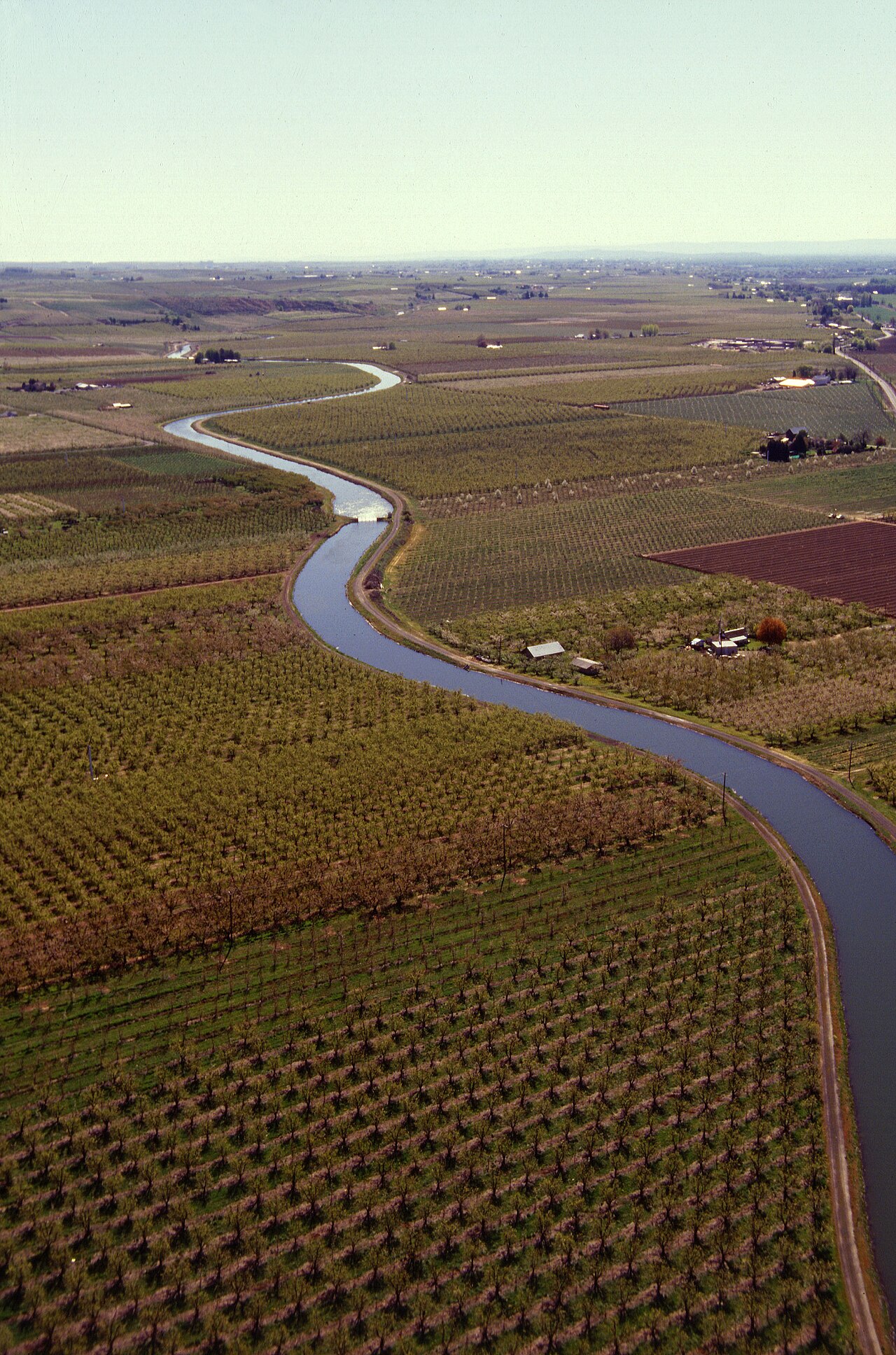
Washington had its 55th-wettest water year in 131 years of records, yet the state still declared a statewide drought and Yakima Valley irrigators were cut back for the fourth summer in a row, Capital Press reports. The reason was heat: from 1 October 2025 to 30 September 2026 temperatures averaged 3.2 F above normal, making it the second-warmest water year since 1895, after the one that ended in 2015.
December was the fifth-wettest and the warmest on record. Rain flooded farms, but it ran off rather than piling up as mountain snow. By 1 April the statewide snowpack was 52 percent of normal, the smallest since 2015, and the Department of Ecology declared a drought in early April; it has now declared drought in all or part of the state in seven of the past ten years.
In March the US Bureau of Reclamation expected Yakima Valley irrigators with junior water rights to get 44 percent of their allotments, or 31 percent in the worst case. But the winter rain had soaked the ground, the summer had no long spells of triple-digit heat and September brought rain. By mid-September the projection was 62 percent, and irrigation seasons were extended into October.
"Things were gradually changing for the better and then they really changed in September," said Urban Eberhart, manager of the Kittitas Reclamation District, which had expected to run dry by September but delivered water until 15 October. The Roza Irrigation District ran until 12 October instead of stopping in early September.
The bureau's five reservoirs held about 207,000 acre-feet at the end of September, well below the long-term average of 313,000 but far above the 84,750 a year earlier. "I am more optimistic than I was last year at this time. But check back in 90 days," said Roza manager Scott Revell.
Photo: Brian Prechtel / Wikimedia Commons (Public domain)
Source: Capital Press
Comments
(0)