
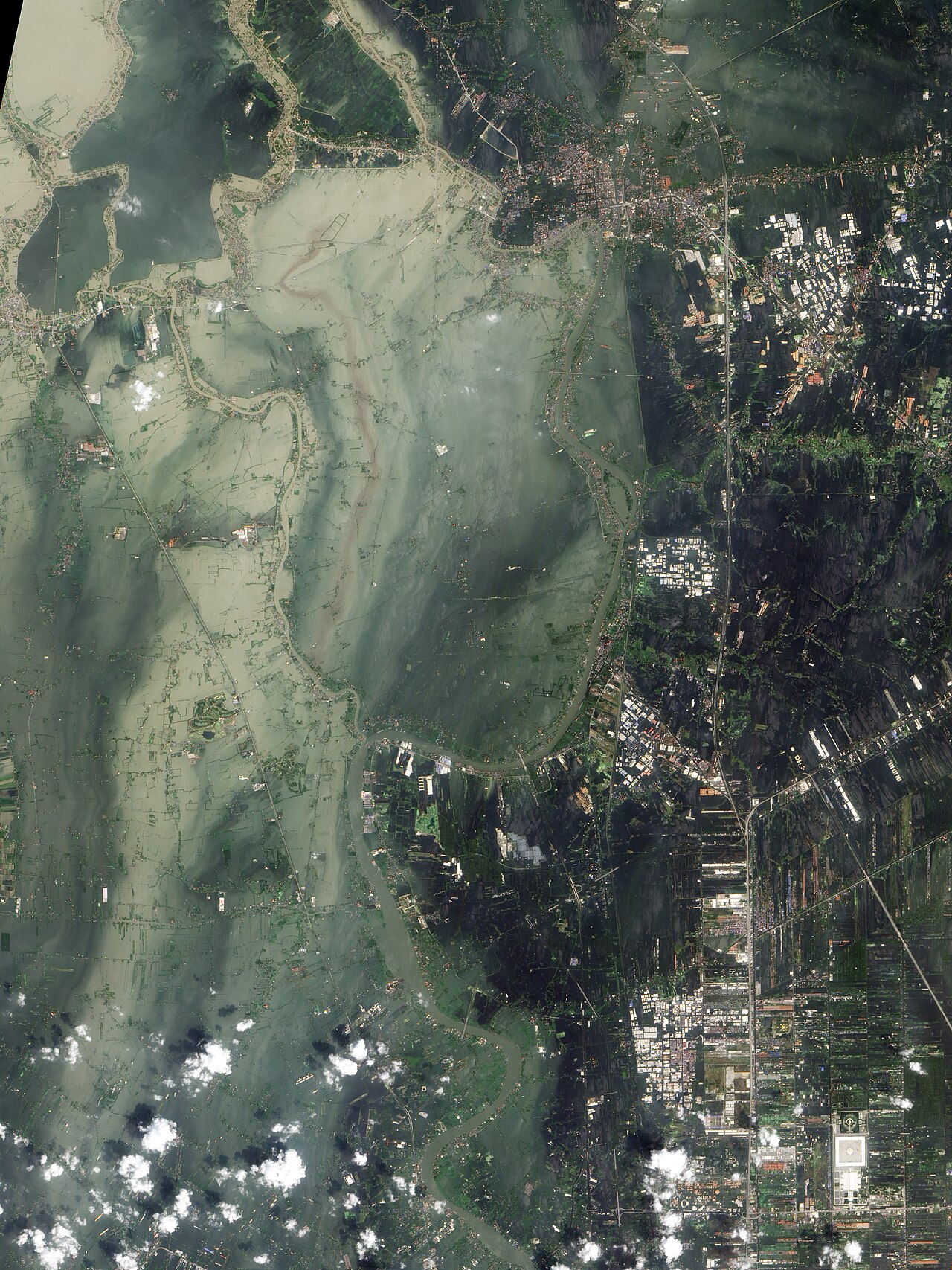
Flood defences built to protect Bangkok and Thailand's industrial zones are leaving riverside villages in Ayutthaya province underwater for months each year, according to an Agence France-Presse report carried by Euronews. Office worker Kamonchanok's village has flooded six years in a row. "Our area simply cannot cope with this much water anymore," the 34-year-old said, wading through her home.
After the devastating floods of 2011, the government expanded embankments, water gates and other works to steer water away from Bangkok, the historic city of Ayutthaya and industrial estates along the Chao Phraya River. The commercial centres have largely stayed dry, but low-lying districts that act as retention zones now take the water. Residents say floods that once reached their knees now rise above their heads in places and take months to recede; this October stretches of villages were submerged, some homes up to their roofs.
Thanet Somboon, spokesman for the Royal Irrigation Department, said climate change, low-lying land and new embankments that changed the river's natural flow have made downstream flooding worse. "Even when water is released from the Chao Phraya Dam at the same rate as before, the impact is greater than it used to be," he said, adding that officials may need to review the infrastructure. Conservationist Sasin Chalermlarp said floodwater that once spread across much of the province is now concentrated in "five to 10 percent" of it, and that the government's otherwise successful flood management has been "cruel" to those bearing the brunt.
Families who stay have raised their stilt houses, at a cost of 100,000 to one million baht (about €2,700 to €27,000), some twice in a few years, using savings and loans. Sawong Raksri, 87, spent more than one million baht and still floods every year. Sasin has proposed a "flood-free tax" on those protected by the defences to help affected families.
Bangladesh faces the same choice on a larger scale, as embankments that protect one area can push water and the cost of floods onto the next.
Photo: NASA Earth Observatory (Jesse Allen and Robert Simmon) / Wikimedia Commons (Public domain)
Source: Euronews


Comments
(0)