
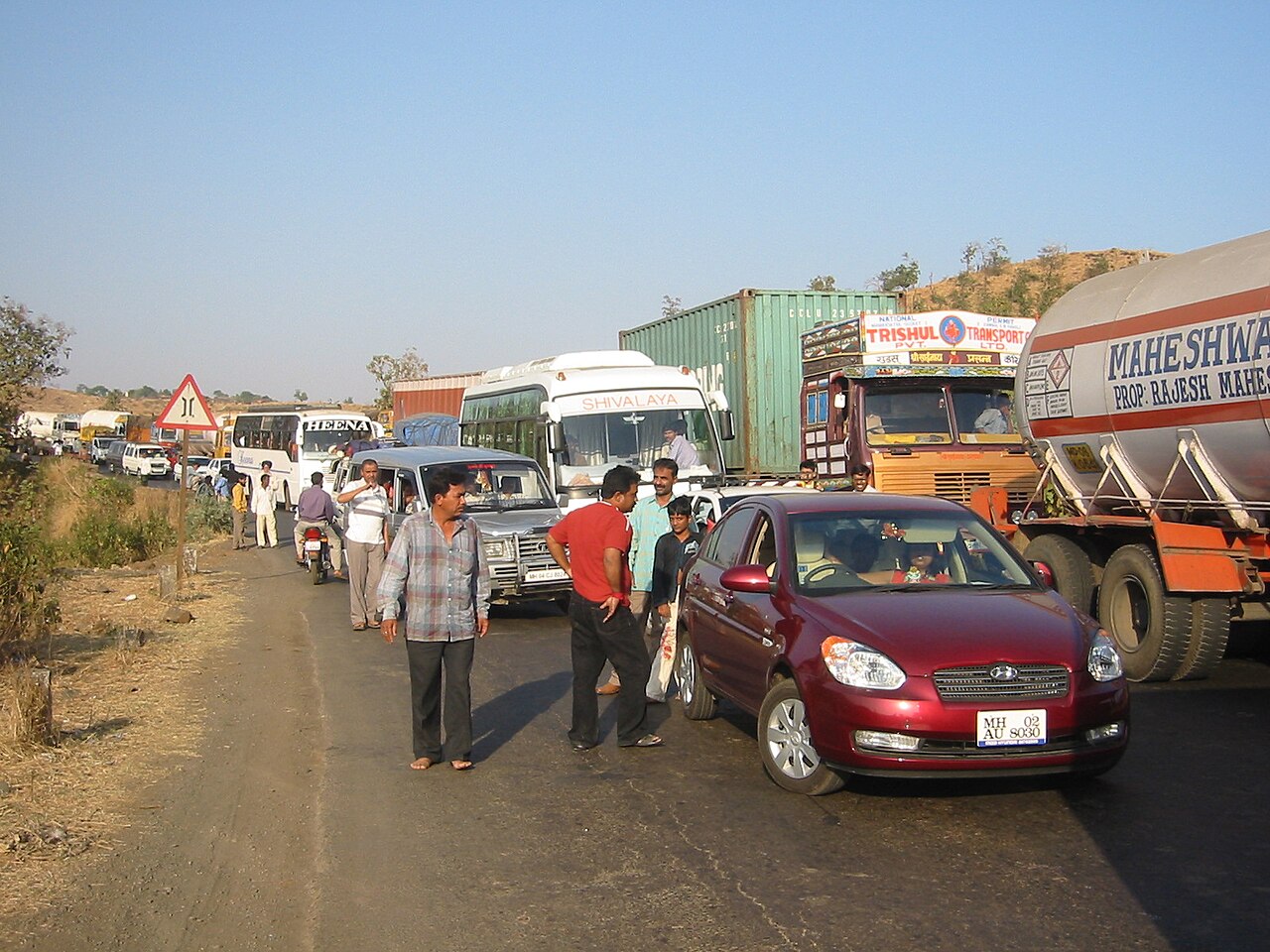
Noise pollution is a serious and under-measured public health risk in India's cities, researchers and campaigners told Mongabay India, after a dispute over DJs and high-powered sound systems at Pune's Ganesh festival brought the issue into focus. Residents' calls for stricter enforcement in August and September prompted a parliamentary committee review of noise and light pollution, and the National Human Rights Commission asked Maharashtra's pollution control board to report on violations.
"It's been known for a long time that noise is more than just a nuisance or an annoyance, but that it's a serious cardiovascular disease concern," said Danielle Vienneau, an associate professor at UMC Utrecht in the Netherlands. A 2023 review of the evidence links regular exposure to high noise with hearing loss, poor heart health, high blood pressure, diabetes, stress and even adverse reproductive outcomes, and the WHO lists sleep disturbance, poorer work and school performance, anxiety and depression.
Mumbai environmentalist Sumaira Abdulali, who founded the Awaaz Foundation and has measured noise since 2003, says outdoor levels in the city average 65 to 85 decibels and motorcycle horns reach 110, against a WHO guideline of 54 decibels or less for road traffic; fireworks during festivals have hit 145 decibels. India bans loud music, firecrackers and industrial noise in public spaces between 10 pm and 6 am unless exemptions are granted, and pollution boards such as Maharashtra's now measure noise systematically, but the data are too limited for good research.
Dr Angel Dzhambov of the Medical University of Plovdiv in Bulgaria said studies are hard because people move through many places during a day, and the acoustic models needed to map noise are expensive and, unlike air pollution models, not available for whole countries. Most research on the health effects still comes from Europe. Campaigners say enforcement of existing rules is the key to progress. The story was reported by Aditi Tandon.
Dhaka, regularly ranked among the noisiest cities in the world, faces the same problems of horns, construction and weak enforcement.
Photo: Yann / Wikimedia Commons (CC BY-SA 3.0)
Source: Mongabay India


Comments
(0)