
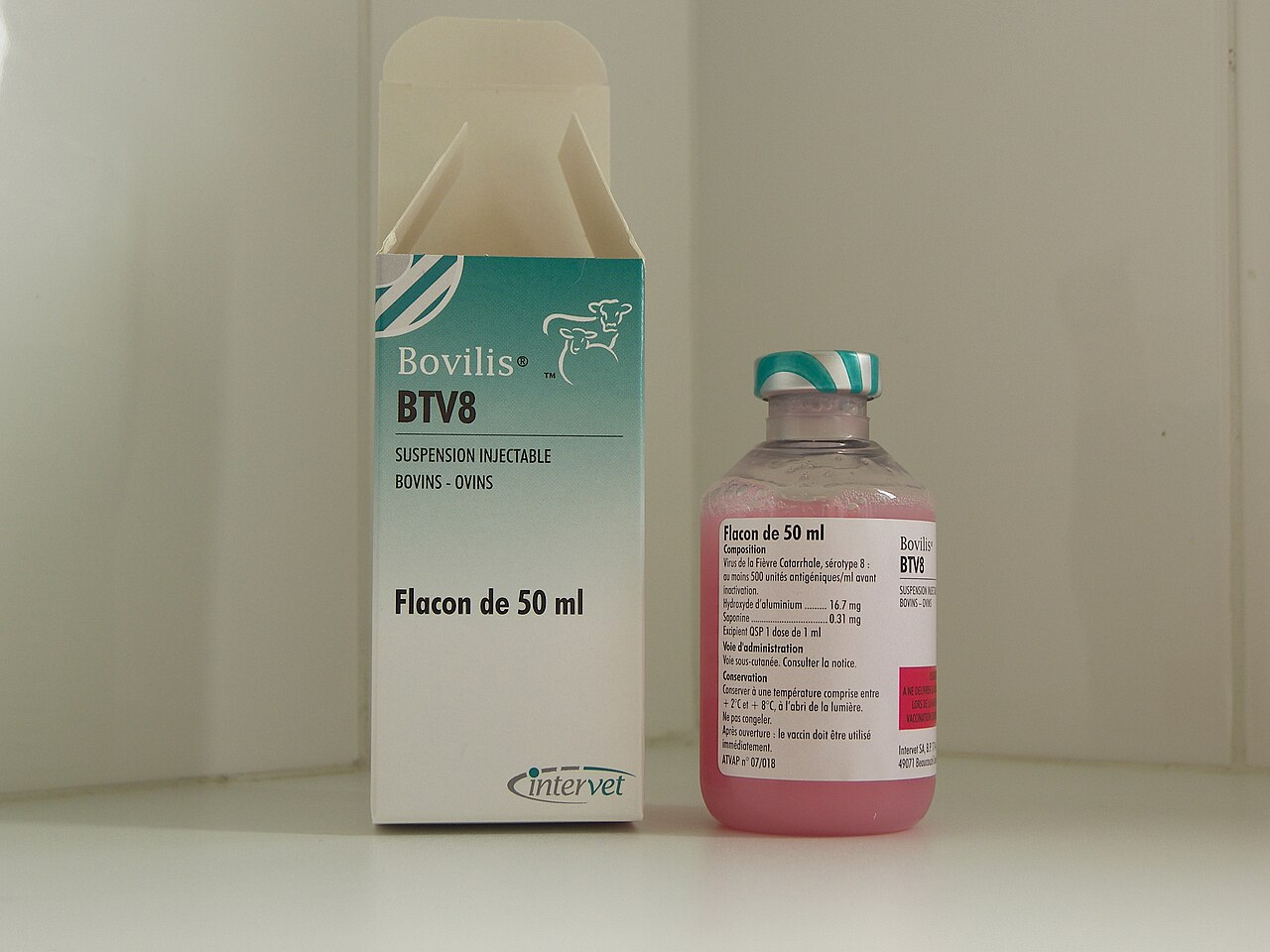
Farmers who keep rare native breeds in the UK are struggling to get bluetongue vaccines, raising fears for the survival of some breeds, the Rare Breeds Survival Trust (RBST) has warned in a letter to Defra biosecurity minister Baroness Sue Hayman.
A consultation with breed societies and breeder groups found 60% reported members having difficulty obtaining vaccine. Vaccination rates remain below 50% of registered animals in many rare breeds, and some report coverage of under 20%.
"With low population numbers already, the bluetongue virus is a concerning threat to the breed-level survival of the UK's rarest native livestock, and to the crucial genetic diversity these breeds maintain for food and farming," said RBST chief executive Christopher Price. Keepers of small herds and flocks, he said, are struggling to buy vaccine in suitable quantities.
The trust wants Defra to work with manufacturers on smaller packs, particularly of Bultavo-3, which is already approved for sale in 10-dose quantities, and to publish official guidance for vets on safe and legal vaccine sharing so that the available supply is used with the least waste. It has also asked for the needs of rare breeds to be considered in planning for the 2027 bluetongue season, and for Defra to collect data on possible differences in susceptibility between breeds.
As of October 15, 3,402 premises had been confirmed positive for bluetongue serotype 3 (BTV-3) or an unspecified serotype in the UK in the 2026 to 2027 season: 2,864 in England, 484 in Wales and 50 in Scotland. A further 63 premises were under investigation.
Bluetongue is spread by biting midges and affects cattle, sheep and other ruminants. For small native-breed flocks, where a few animals can carry much of a breed's genetics, losses weigh more heavily than in commercial herds.
Photo: Fourrure / Wikimedia Commons (CC BY-SA 2.0)
Source: Farmers Weekly

Comments
(0)