
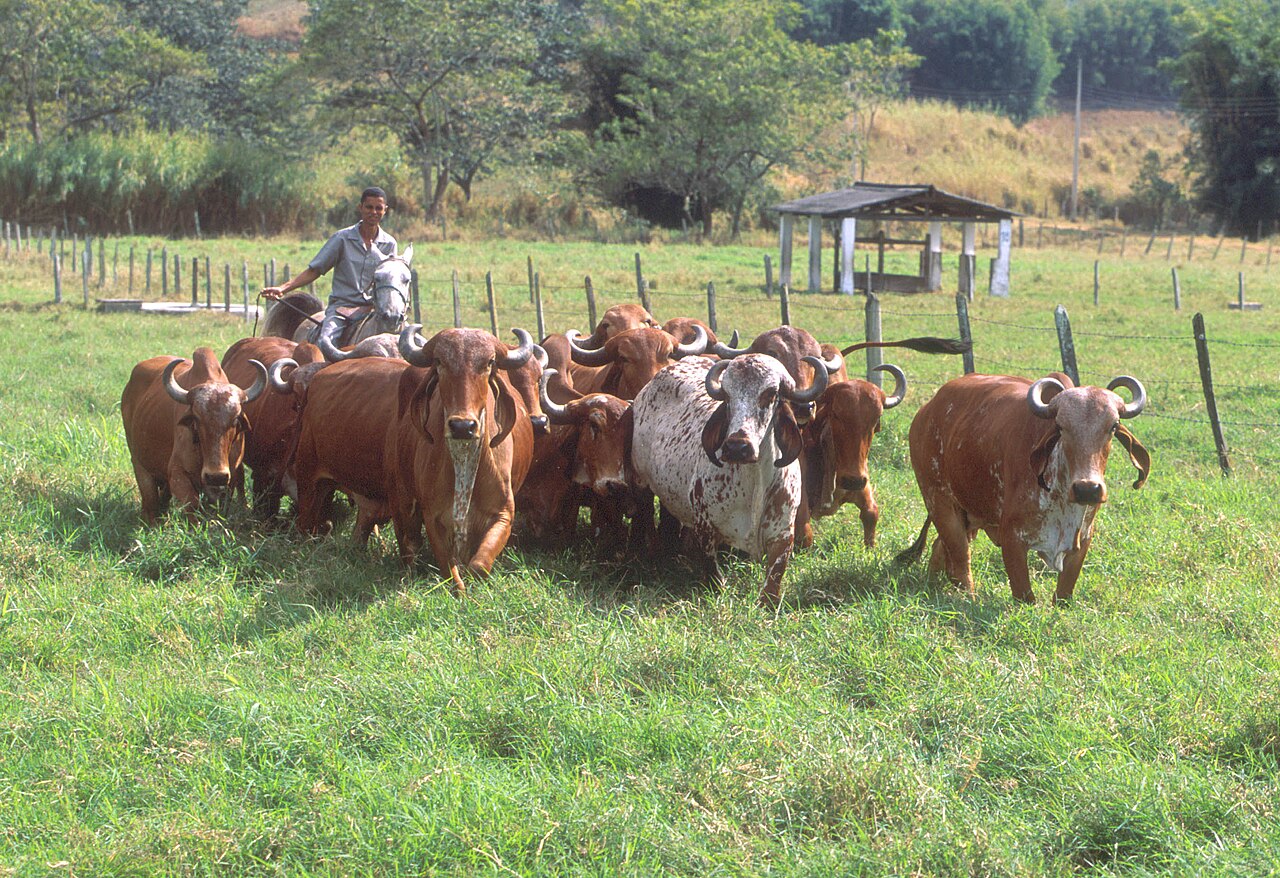
The ICAR-National Institute of Veterinary Epidemiology and Disease Informatics (NIVEDI) in Bengaluru has extended the scope of its ISO/IEC 17025:2017 accreditation from the National Accreditation Board for Testing and Calibration Laboratories (NABL) to 28 veterinary diagnostic tests, covering major livestock diseases, zoonotic infections and antimicrobial resistance (AMR).
For cattle and buffaloes the accredited tests cover brucellosis, leptospirosis, capripoxvirus infections including lumpy skin disease, trypanosomosis and bovine tuberculosis. For sheep and goats they include peste des petits ruminants (PPR), sheep pox, goat pox, brucellosis and leptospirosis.
For pigs, the scope takes in African swine fever, classical swine fever, brucellosis and leptospirosis, and leptospirosis testing in dogs is included as well. The accreditation also covers bacterial identification and antimicrobial susceptibility testing for Escherichia coli and Staphylococcus species in specified samples from livestock and poultry.
The institute uses molecular, serological and microbiological methods, including polymerase chain reaction (PCR), real-time PCR, ELISA, virus neutralisation and antimicrobial susceptibility testing.
ICAR says the step strengthens India's capacity for quality-assured veterinary diagnostics, early detection of outbreaks, disease surveillance and preparedness under the One Health approach. The revised scope was approved on 7 October 2026 and is valid until 4 December 2029, subject to continued compliance with NABL requirements.
Photo: Scott Bauer, USDA ARS / Wikimedia Commons (Public domain)
Source: ICAR
Comments
(0)