
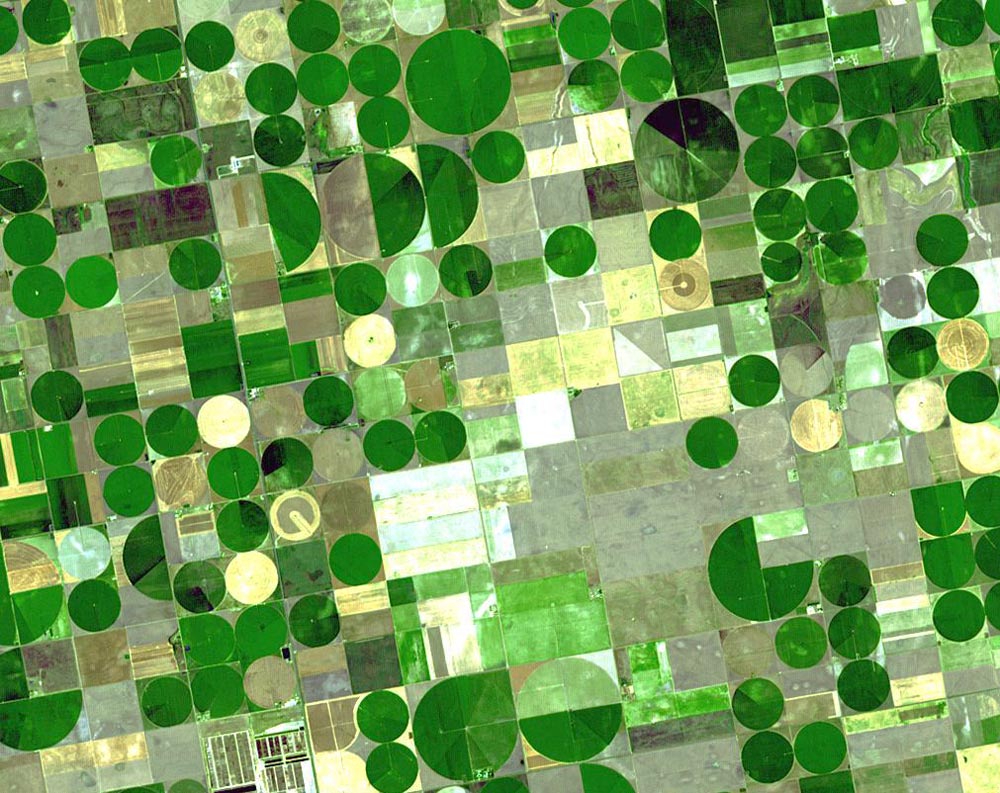
Falling irrigation capacity across the southern High Plains of Texas is pushing farmers towards harder economic decisions, because the Ogallala Aquifer is losing its usefulness well before the groundwater physically runs out, according to John Duff, founder of Serō Ag Strategies, speaking to All Ag News in Lubbock.
Duff says irrigation in Hockley County peaked decades ago and has been shrinking since the 1960s. Farmers have already cut irrigated acres, changed crops, linked wells together and invested in more efficient watering systems.
The next steps are likely to cost more. The acres still under irrigation often carry heavy investment, such as subsurface drip systems that can cost about $1,500 per acre. As wells weaken, that equipment can become a stranded asset and reduce a farm's ability to pay its debts.
The risk reaches beyond the farm gate, Duff says. Feedlots, dairies, ethanol plants, cotton gins, grain elevators, equipment dealers, processors, banks and whole rural communities depend on production that High Plains groundwater supports.
He argues that if water use is expected to fall further, future conservation programmes will have to create financial value for farmers, their lenders and supply-chain partners, rather than simply asking growers to pump less.
The report's conclusion for farmers is that the next stage of the aquifer's decline may need financial answers that protect both farm businesses and the rural economy built around irrigation. The story was reported by Tony St. James.
Photo: U.S. Geological Survey / Wikimedia Commons (Public domain)
Source: All Ag News
Comments
(0)