
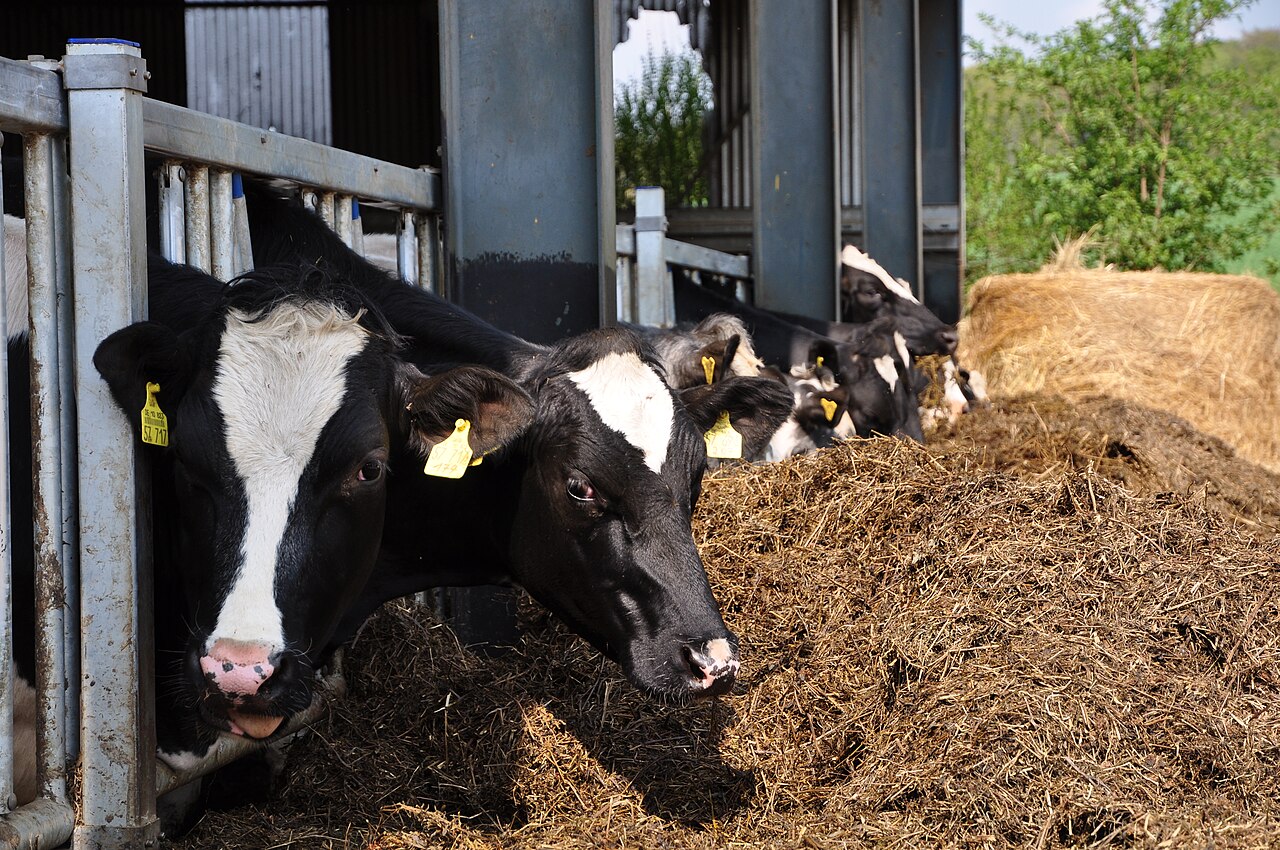
Rising temperatures are affecting the quality of milk and eggs as well as crops, but the effect on the dairy and egg industries has so far been modest, experts told FoodNavigator.
Milk from heat-stressed animals often has lower protein and fat content, according to the UN Food and Agriculture Organization (FAO) and the World Meteorological Organization. That was visible during the heatwaves that hit Europe earlier this year. "In the days and weeks of the summer 2026 heatwaves, the decrease of the solid content in milk was at a detectable size," said Alexander Anton, secretary general of the European Whey Processors Association and the European Dairy Association.
Because the heat lasted only a limited time, Anton said, the impact on the dairy industry was "rather negligible": nutritional quality stayed "in the normal ranges" and demand for milk was unaffected. The long-term trend in Europe and the US is for milk solids to rise, and fat and protein vary for many other reasons, including herd, feed, farm management, breed and season.
Heat-stressed hens can lay eggs with thinner shells and altered yolks, the FAO and WMO say. Monika Tothova, a senior economist at the FAO, explained that altered yolk quality means changes in consistency, colour, size or structure, because heat affects how a hen deposits nutrients in the egg. Thinner shells break more easily in transport, handling and storage. "There is evidence that shell quality can deteriorate during periods of heat stress, but this does not mean that large shares of eggs suddenly become unsuitable for marketing," she said.
Tothova said producers in many regions cope with heat every year and already build seasonal dips into their plans, and large operations use better ventilation, cooling systems and sometimes climate-controlled housing. Adaptation has limits, though: poultry deaths were reported in Europe's recent heatwave, and some producers faced lower output, higher mortality and higher cooling costs, partly offset by higher production in less affected areas.
As temperatures climb, the risk to animal output grows, and farmers' investment in shade, ventilation and cooling becomes part of protecting both yield and quality. The story was reported by Augustus Bambridge-Sutton.
Photo: sacratomato_hr / Wikimedia Commons (CC BY-SA 2.0)
Source: FoodNavigator

Comments
(0)