
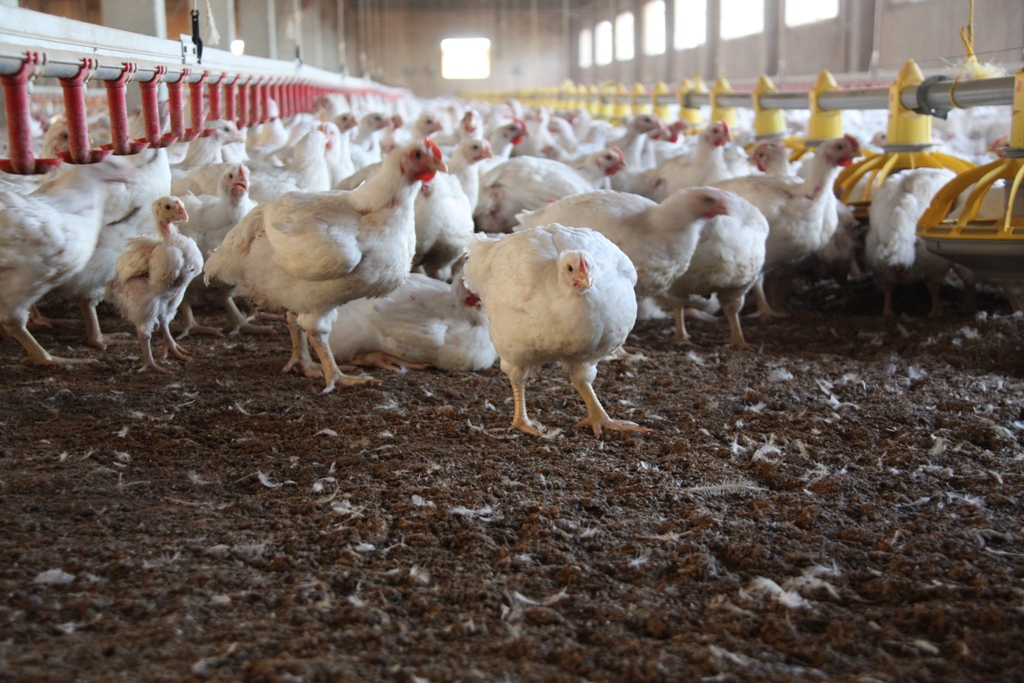
Chicken farmers in Canada are paid a fixed price for live birds under the country's supply management system, set for every eight-week production cycle on the basis of production costs, according to a USDA Foreign Agricultural Service report on Canada's poultry sector. As a result, producer prices have stayed relatively stable over time, moving mainly with feed prices, the largest part of production costs.
Ontario, the largest chicken-producing province with about a third of the market, sets the reference: its live bird prices are the basis for price calculations in the other provinces.
The guarantee covers only the farmer. Wholesale and retail prices of chicken meat still follow supply and demand, as well as shoppers' preferences for particular cuts, quality and degree of processing.
Those preferences have been changing. Canadians long favoured white meat such as breasts and wings, but over the past decade demand has evened out between white and dark meat. Leg quarters, once the cheapest cut in the shops, have gained from wider interest in ethnic cuisine and from shoppers watching prices; the inflation of 2022 lifted them to a new price level. Boneless skinless thighs, the most expensive dark-meat cut, now compete with boneless skinless breast as Canadians' preferred barbecue meat, while breast remains the most expensive cut overall and is widely used in restaurants. Wings stay popular, especially in the winter hockey season.
For poultry farmers elsewhere, Canada's system is an example of how a regulated price tied to costs can shield producers from swings in the meat market, while leaving shop prices to the market.
The report was summarised by Melanie Epp for The Poultry Site.
Photo: jlastras / Wikimedia Commons (CC BY-SA 2.0)
Source: The Poultry Site

Comments
(0)