
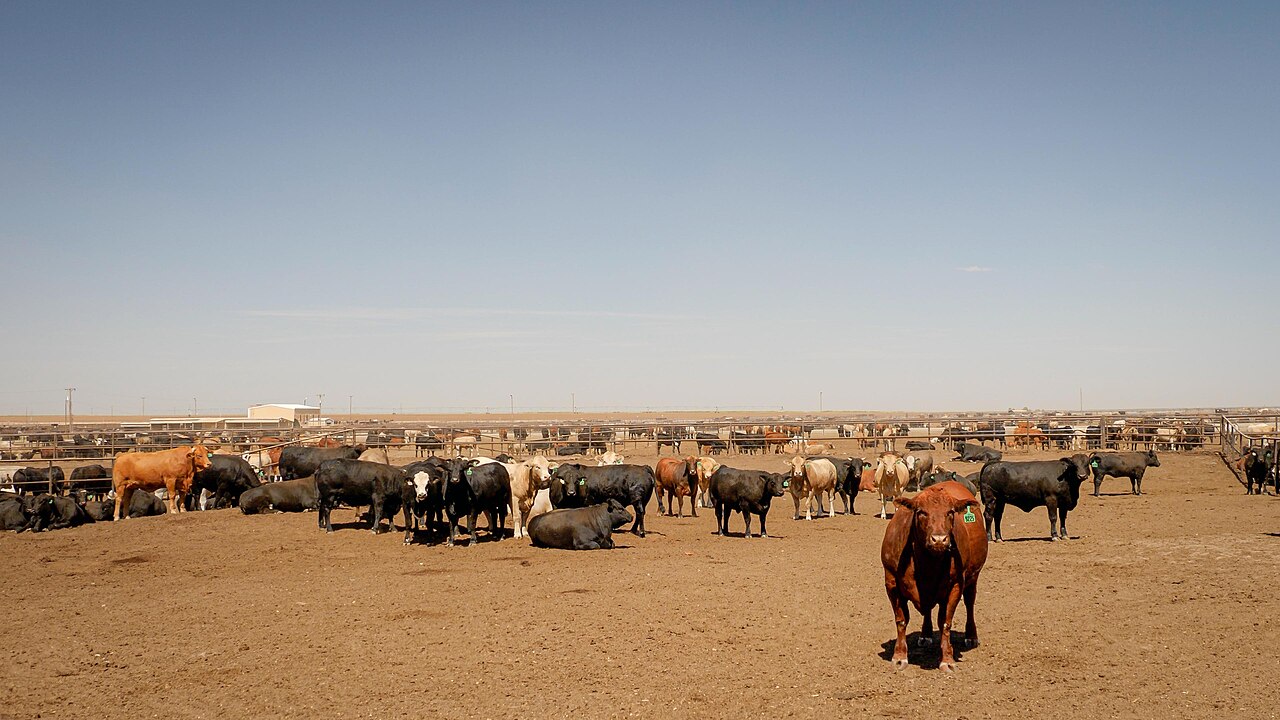
Sellers of fed cattle in the United States may be gaining pricing power through negotiated grid sales, as tighter supplies of slaughter-ready cattle increase competition among packers, according to The Cattle Report, cited by All Ag News.
The report says cattle sold on negotiated grids have recently brought final prices $2 to $3 per hundredweight above formula sales. Unlike a formula contract, a negotiated grid lets the seller bargain over the base price, over the grid's premiums and discounts, or over both.
Grid marketing ties the value of the cattle more closely to how the carcasses grade, and the transaction needs slaughter data and USDA carcass information to complete. Sellers can negotiate one pen at a time or sell larger shares of a feedyard's cattle to different buyers.
Formula contracts, by contrast, often take spot cash prices as their base, so sellers on negotiated grids can capture extra value when the quality of their cattle and the state of the market support stronger premiums.
Which method pays best still depends on cattle quality, how a packing plant grades, location and the relationship with the buyer, the report says, and producers need to compare their options regularly as pricing keeps shifting towards sales based on carcass outcomes.
The story was reported by Tony St. James.
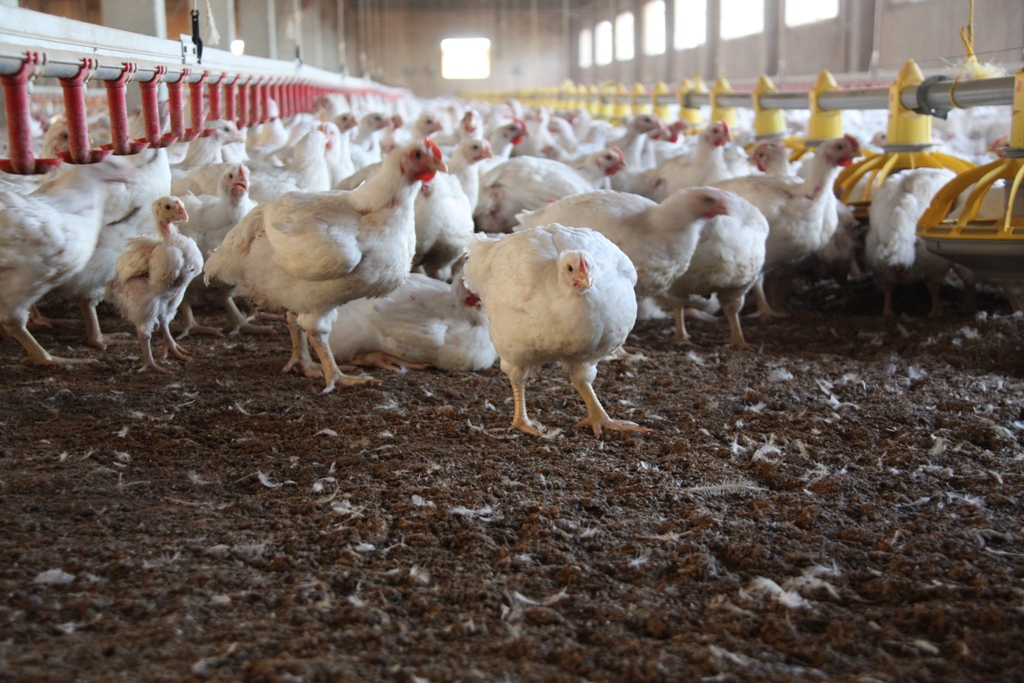
Photo: Preston Keres / USDA / Wikimedia Commons (Public domain)
Source: All Ag News
Comments
(0)