
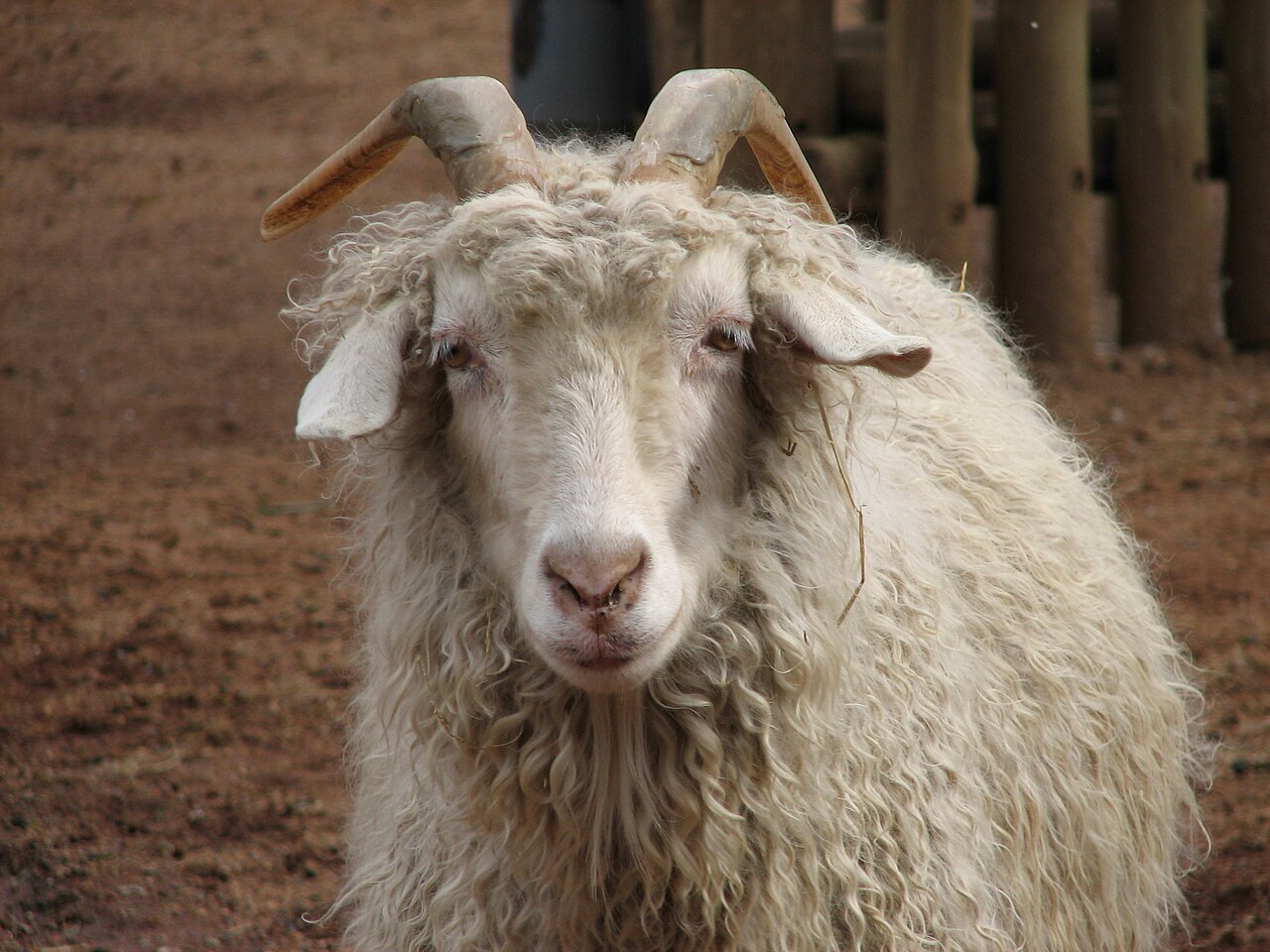
Keeping young goats alive until weaning is one of the most important tools new farmers have for building a herd, according to predation management training run by the Mohair Empowerment Trust on 30 September for farmers in Robert Sobukwe Town, formerly Graaff-Reinet, in South Africa's Eastern Cape.
The training covered how to identify problem animals, understand the causes of livestock losses and choose suitable control methods while keeping a healthy balance with the natural environment. Willem Goosen, manager of communal marketing development and infrastructure at the National Wool Growers' Association, said the threat depends on where a farm is. Farms bordering towns and villages can suffer heavy losses to stray dogs, which often roam in packs. "They may attack five or 10 goats, even though they might only eat one," he said.
Goosen said the first step is to identify which predator is causing the losses before choosing a control method. Farmers should note where attacks happen, which animals are taken and when, and keep records of losses so that recurring problem areas show up.
The kidding season needs particular care, when young animals are most vulnerable. "If we want our farmers to grow, we need lambs, goat kids, and young goats to reach the weaning stage. Without these young animals, we won't have enough replacements when we sell around 25% of our herds each year," Goosen said.
He warned against indiscriminate predator control. Farmers should target the individual animals that keep causing losses, and where they hire professional services, make sure the people involved are accredited and work within the law. Predation management does not mean removing every wild animal: mice and rabbits are natural food for jackals, and dassies for caracals, so the farm's wider environment has to be considered.
Goosen said predation management should be part of a farmer's livestock and business plan, alongside record-keeping, protecting young animals and working with neighbours, so that new-era farmers can grow their herds towards commercial production. The story was reported by Octavia Avesca Spandiel for Farmer's Weekly.
Photo: Trisha M Shears / Wikimedia Commons (Public domain)
Source: Farmers Weekly South Africa

Comments
(0)