
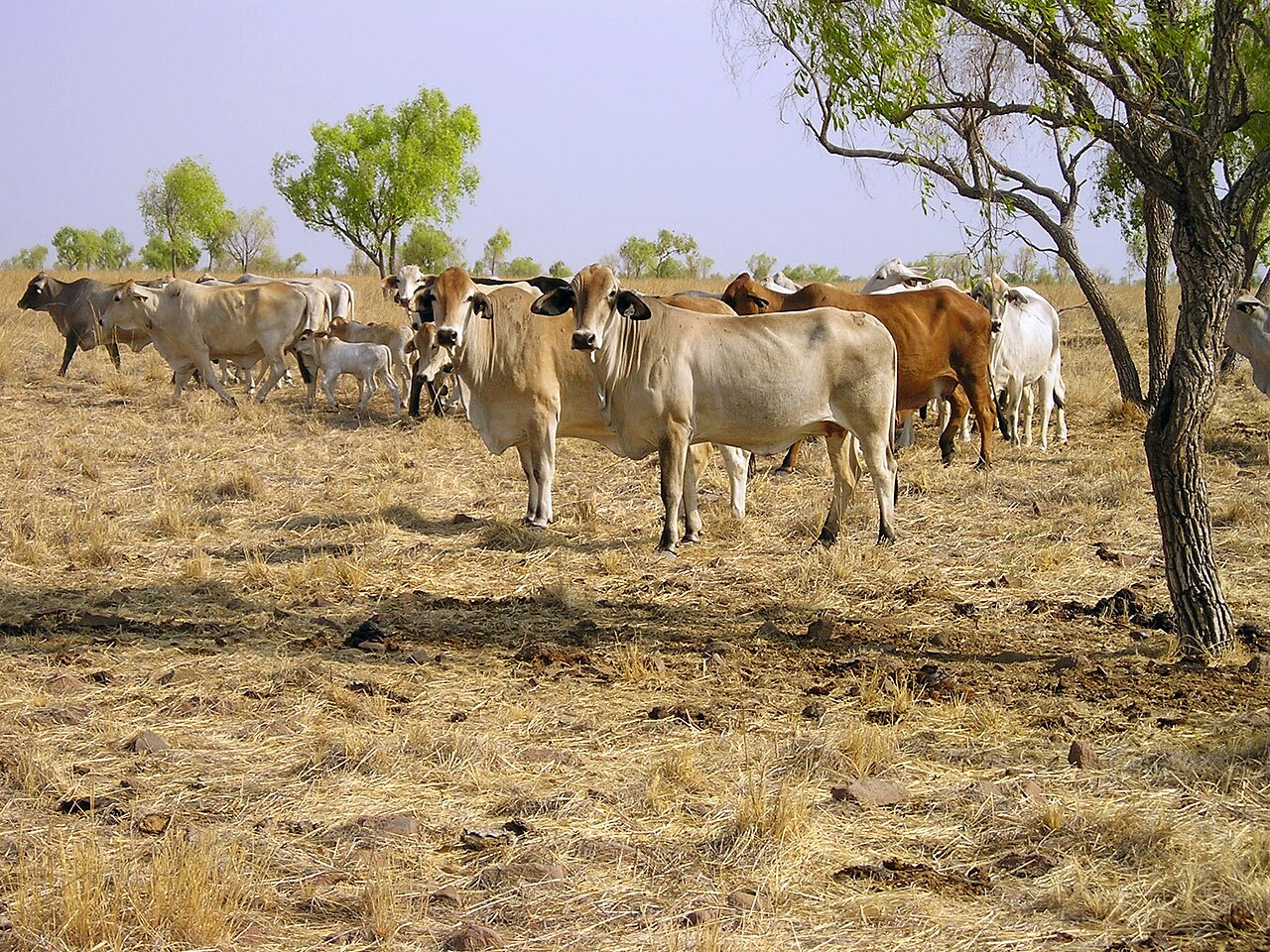
Australia's beef industry has more forest on its grazing land and more shade in its feedlots than in past years, but too few producers use pain relief when they carry out painful procedures on cattle, according to the 2026 Annual Update of the Australian Beef Sustainability Framework (ABSF). The update was launched in Townsville on the eve of Meat & Livestock Australia's annual general meeting and grassfed levy vote.
The report covers four themes: animal care, environmental stewardship, economic resilience, and people and the community. Improved vegetation monitoring recorded about 97 million hectares of forest on cattle grazing land in 2025, the highest level since 1990. Shade in feedlots kept rising: 75.1% of feedlot capacity accredited under the National Feedlot Accreditation Scheme had access to shade in December 2025, up from 56.3% in June 2020.
New domestic transport data also give a clearer view of welfare: more than 9.35 million cattle were trucked to export-registered abattoirs in 2025, and 0.01% were involved in animal welfare incident reports. Community acceptance of live export reached its highest score in the survey series, rising from an average of 2.89 out of five in 2019 to 3.14 in 2025.
The weak spots are plain in the report. Only 34.5% of producers reported using appropriate pain relief for invasive husbandry procedures in 2025, below what the industry wants. Workplace safety in processing also slipped, with the lost-time injury frequency rate rising from 23.1 to 25.4 claims per million hours worked. Changing environmental rules and geopolitical instability are named as emerging pressures that add cost and uncertainty to supply chains.
"The value of the ABSF is not determined by whether every indicator moves in the direction we would like," said outgoing Steering Group chair Patrick Hutchinson. "Its credibility comes from bringing together the best available evidence, recognising progress where it has occurred and being equally clear about the areas where improvement is still needed."
Governance changes from January, when the Steering Group will bring together Cattle Australia, the Australian Lot Feeders' Association, the Australian Meat Industry Council, Meat & Livestock Australia and the Australian Meat Processor Corporation alongside independent ESG experts, to oversee indicators, materiality assessments and annual reporting.
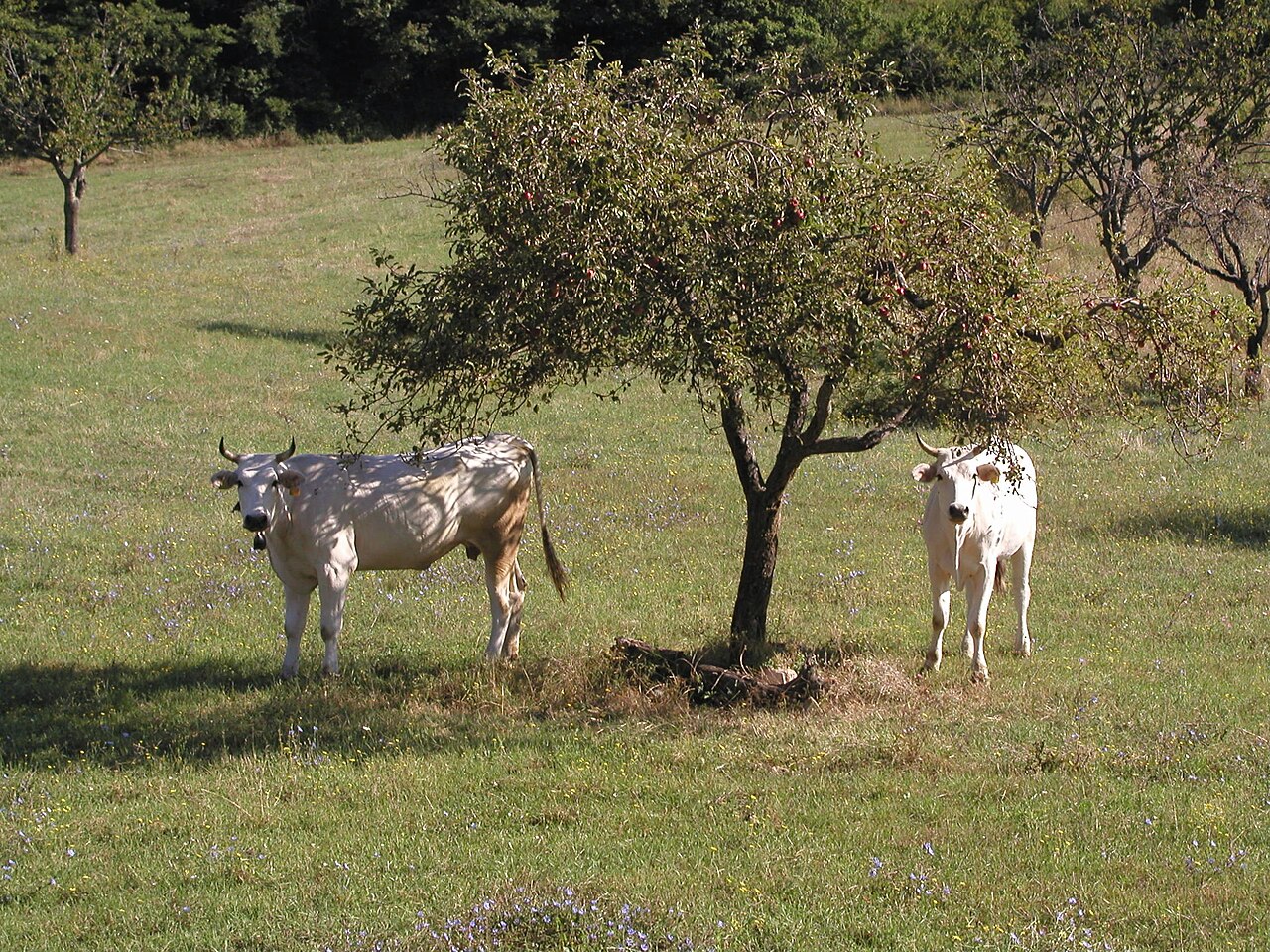
Photo: CSIRO / Wikimedia Commons (CC BY 3.0)
Source: Beef Central
Comments
(0)