
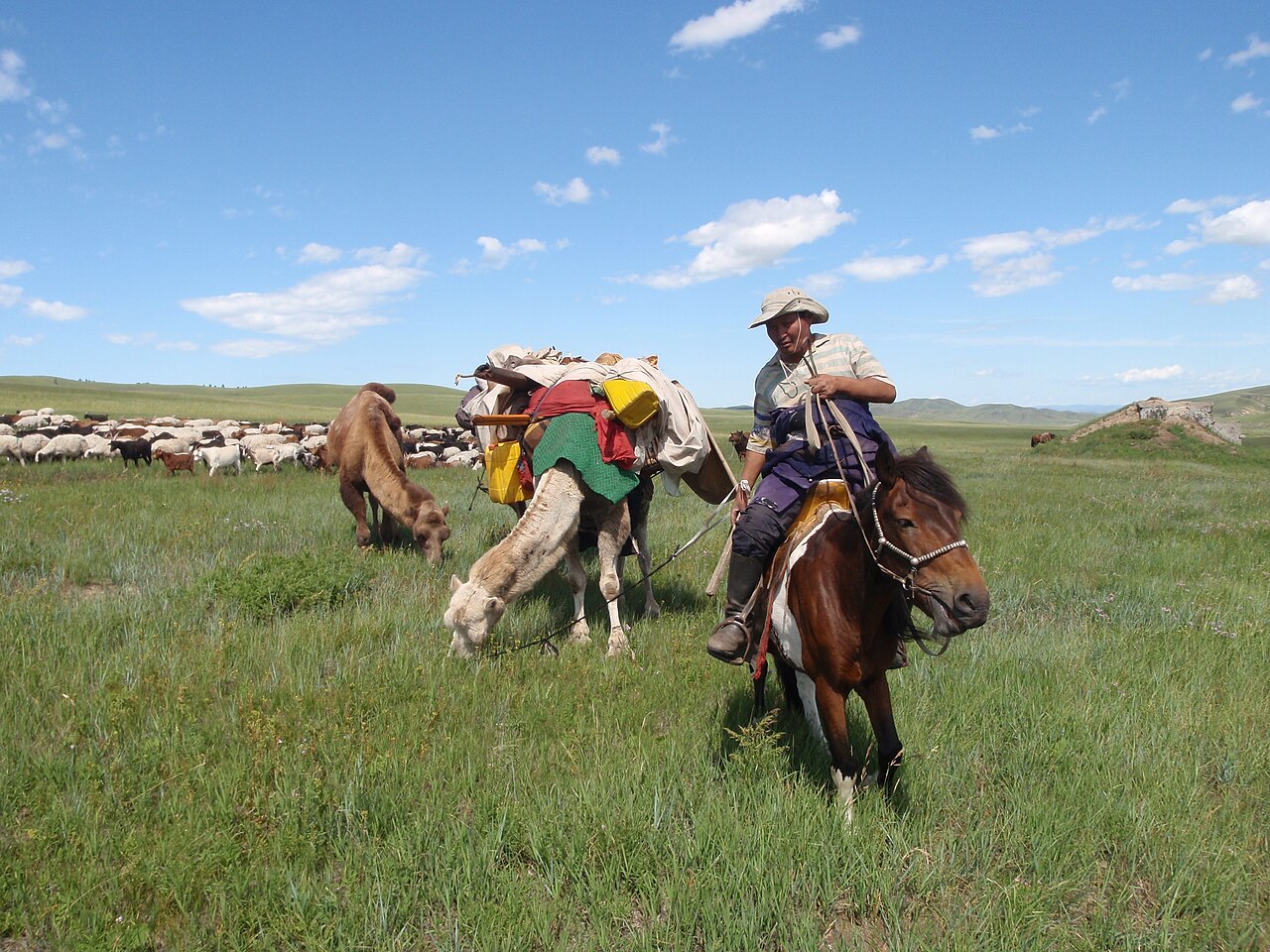
Vietnam wants to become the processing and export gateway for Mongolia's farm products, combining Mongolian raw materials with Vietnamese factories and access to Southeast Asian markets. The two countries set out the plan at the Vietnam-Mongolia Business Forum 2026 in Ulaanbaatar, AgNavigator's Amanda Lim reports, and named a target of US$200m in bilateral agricultural trade by 2030.
Mongolia's strengths lie in livestock: goat and sheep meat, dairy products, wool and cashmere, along with medicinal herbs and minerals. Vietnam's minister of agriculture and environment, Trinh Viet Hung, said the two economies are highly complementary despite the distance between them, and that one of the most promising openings is to turn Mongolian raw materials into higher-value products with Vietnamese technology and processing know-how. Vietnam's network of free trade agreements could then open ASEAN and other markets.
Trinh urged Vietnamese businesses to look at investing in Mongolia's meat and bone processing, leather tanning, wool, cashmere and wider agricultural processing. Mongolia's minister of food, agriculture and light industry, Tsagaankhuu Iderbat, said he hoped companies would turn the opportunities into concrete projects. The proposal reflects efforts by both governments to move beyond traditional commodity trade towards more integrated agricultural supply chains.
Trade is already moving in both directions: Mongolian goat meat, sheep meat and cashmere have gradually gained access to the Vietnamese market, while Vietnamese farm and industrial goods are expanding in Mongolia. To reach the 2030 target, Trinh called for better logistics, including new transport routes linking Vietnam, China and Mongolia, a bilateral investment protection agreement, and closer work on digital trade, product traceability, quarantine procedures and food safety standards.
One deal was signed at the forum. Vietnam Mongolia JSC and Mongolia's Bulganmakh Market LLC agreed to study the feasibility of a beef and goat bone processing plant in Mongolia that would turn livestock by-products into higher-value food ingredients.
Photo: Brücke-Osteuropa / Wikimedia Commons (Public domain)
Source: AgNavigator

Comments
(0)