
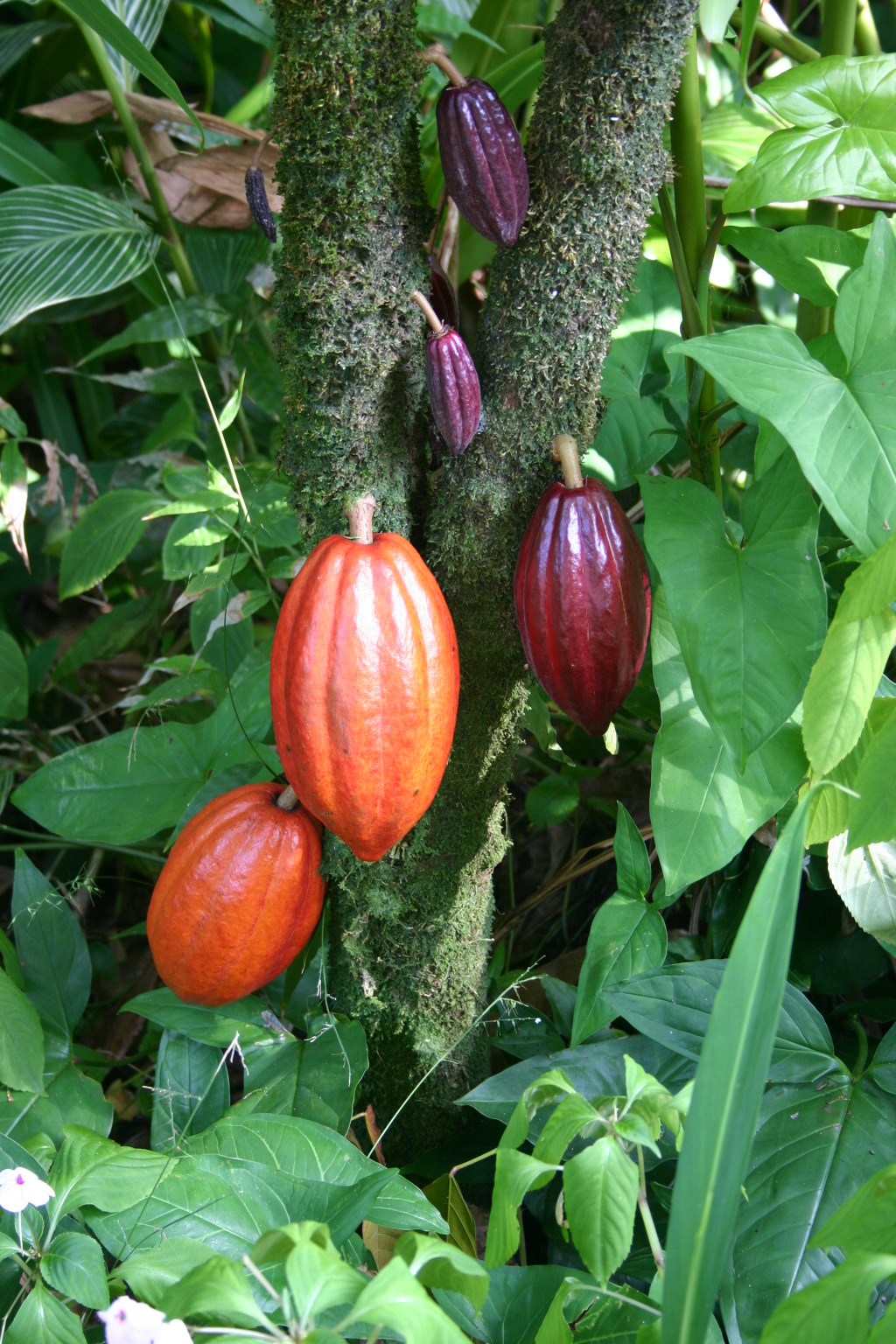
Cocoa prices could rise by more than 50% in the next six months, according to Swiss asset management firm Vontobel, which expects drier El Niño weather in West Africa to hit an already fragile crop. Its forecast would put cocoa above $8,000 a ton ($8,818 a metric tonne), against futures trading at $5,294 a ton ($5,835 a tonne) when FoodNavigator's Donna Eastlake reported it.
"Production challenges across West Africa persist and are likely to be tested by drier El Niño conditions and Harmattan winds," said Renato Mettler, portfolio manager at Vontobel.
Weather is only part of the problem on the farms. Swollen shoot virus continues to damage cocoa in parts of West Africa, many plantations are ageing and less productive, and growers face rising input costs that make it harder to keep yields up and invest in replanting. Unpredictable rain, long dry spells and higher temperatures are making conditions harder in the main producing regions, particularly Ghana and Côte d'Ivoire. With global stocks tight, the market has little room to absorb a crop shock, so even small changes to harvest forecasts can move prices sharply.
A jump of that size would squeeze chocolate makers who have already raised prices several times over the past three years. The report says companies could be pushed to rethink product ranges, sourcing and recipes, and that smaller firms with little buying power would be hit hardest, which could lead to consolidation in parts of the confectionery industry. Consumers may turn more to promotions and private-label chocolate.
The industry is responding in two ways. Mars, Mondelēz International, Nestlé and Ferrero are investing in sourcing programmes that go beyond certification to farmer training, income diversification, regenerative practices and reforestation, aimed at making cocoa farming more profitable and resilient. At the same time, ingredient suppliers including Cargill and Barry Callebaut are developing cocoa-like ingredients through precision fermentation, upcycled food waste and new processing, while extenders such as carob and roasted cereals can partly replace cocoa solids. Such alternatives are unlikely to end the reliance on cocoa, the report notes.
Not every analyst expects prices to reach Vontobel's level: a stronger harvest, better weather or success against disease could ease the pressure. Most agree the market will stay volatile.
Photo: Medicaster / Wikimedia Commons (Public domain)
Source: FoodNavigator (reporting by Donna Eastlake)



Comments
(0)