
Partners in the Water and Soil Accelerator (WASA), a programme to keep soil and water on smallholder farms in southern Africa, met in Salima, Malawi, from 15 to 17 September for a three-day review of what is working on the ground and what is not, CIMMYT reported on 5 October. The first day was spent in the field, at sites where soil and water management practices are being tested.
In Zambia, where CIMMYT gives technical support through the Conservation Farming Unit and Total LandCare consortia, the programme set up 45 demonstrations between October 2025 and August 2026, promoted five drought-tolerant varieties and ran 45 mechanisation promotions. It equipped nine field staff and 15 service providers with basin diggers. Through the same partnership, 405 lead farmers and 38,505 farmers were trained in climate-smart agriculture, 90 field days were held and more than 52,000 farmers received climate-smart farming messages on their phones.
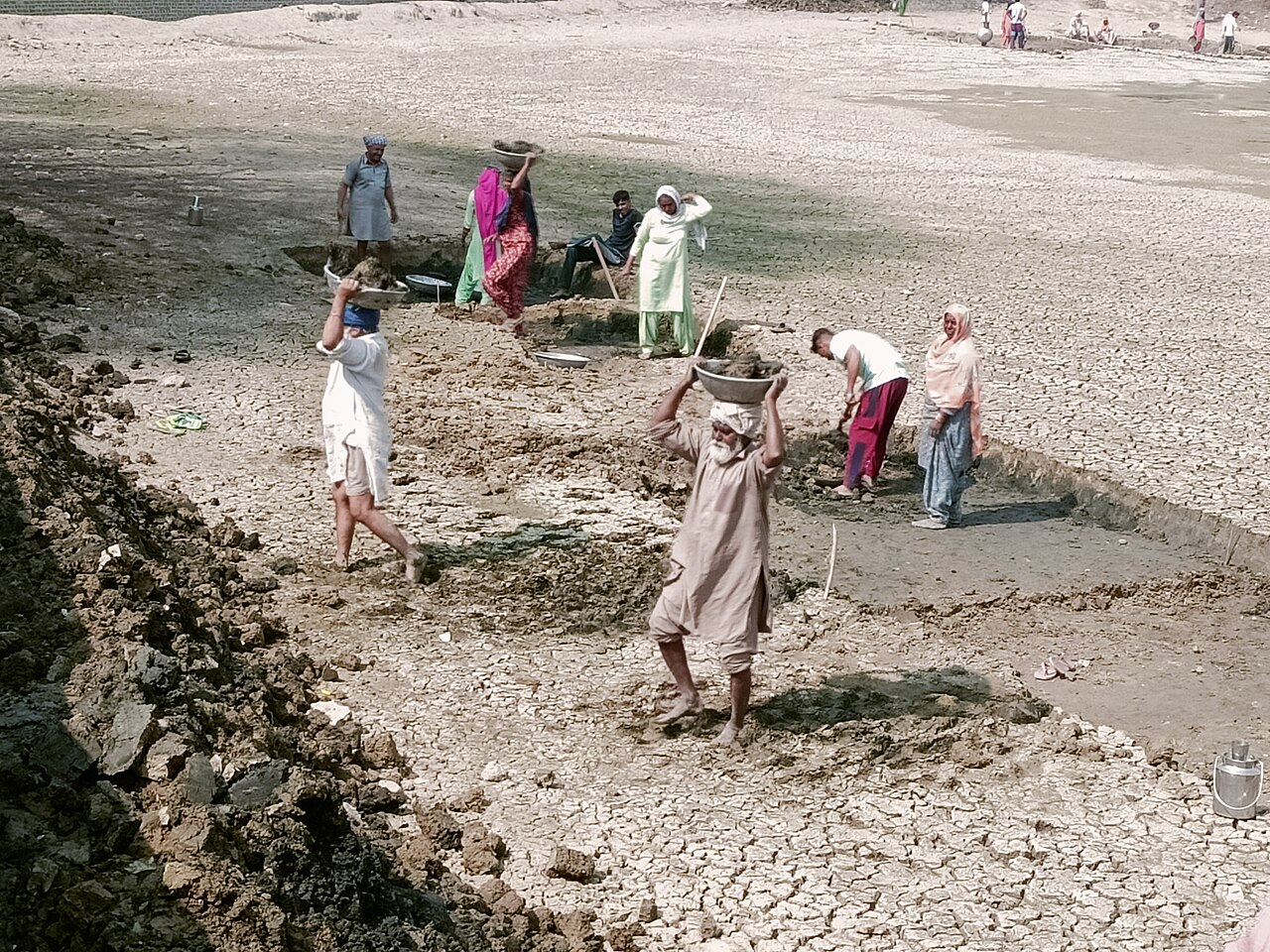
In Salima, communities are reclaiming gullies and planting trees, with five villages raising 50,000 tree seedlings, and demonstration plots let farmers see the technologies for themselves.
"A good technology alone rarely transforms a farming system. A drought-tolerant seed still needs the right agronomy, a mechanized planter needs an accessible service provider, and climate information has little value if it reaches a farmer too late to influence a decision," said Christian Thierfelder, principal crop agronomist at CIMMYT.
The review did not hide the gaps. Zambia has strong overall participation but uneven performance across activities, and partners discussed why. For the next phase, CIMMYT describes a sequence of reaching farmers, demonstrating, adoption, verification and scaling, with mother-and-baby trials and follow-up to gather evidence on conservation agriculture, rotations, legumes, residue retention, manure and agroforestry, and on yields and adoption.
Speakers stressed that lasting change depends on ministries, extension services, traditional leaders, the private sector and farmer organisations working together, on market access and a clear economic case for farmers, and on communities owning the work.
Photo: IWMI / CIMMYT
Source: CIMMYT
Comments
(0)