
Researchers in the United States have shown that biological tests on soil microbes can indicate whether regenerative practices are building soil carbon years before the carbon itself becomes measurable, AgroPages reported on 6 October, citing North Carolina State University.
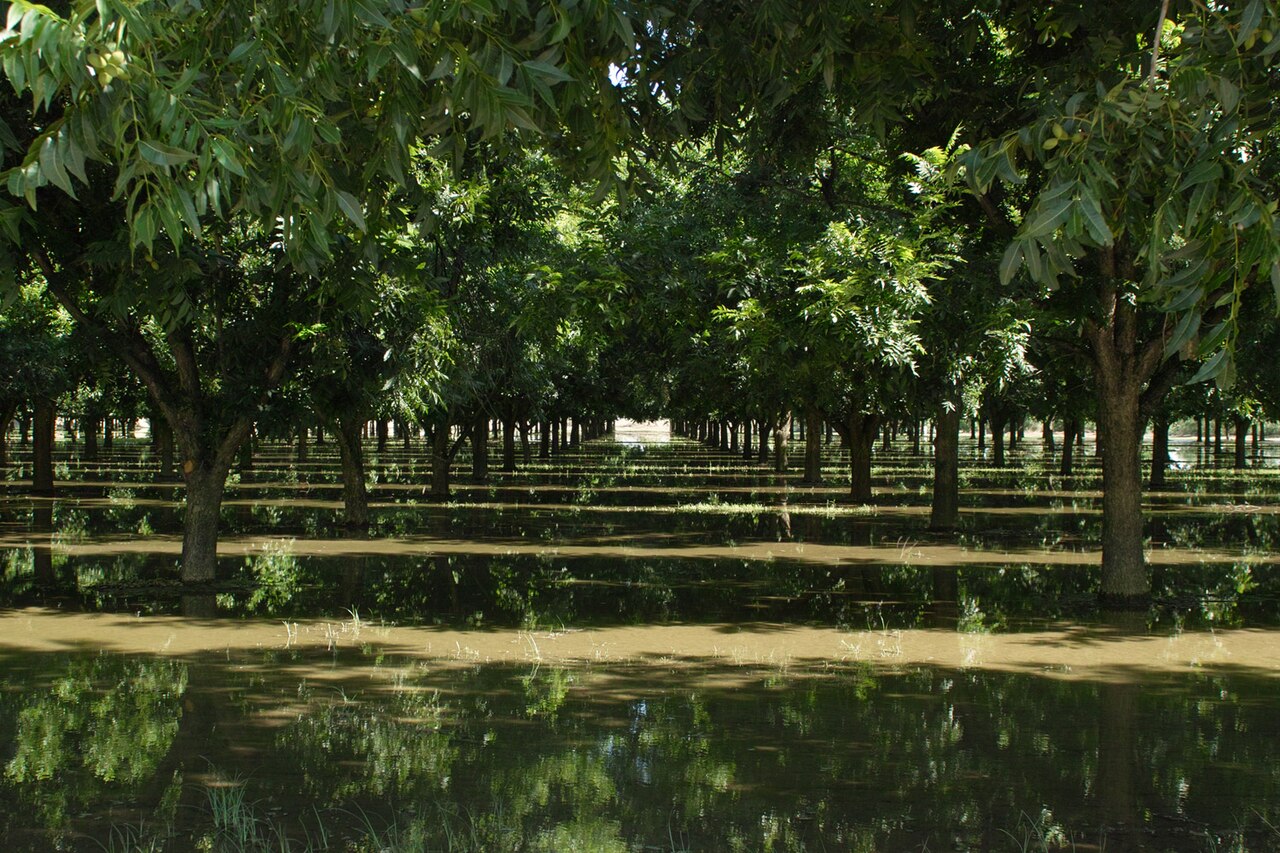
The team, from NC State, North Carolina A&T State University and Emory University, layered different levels of tillage and several cover crop mixes onto existing loblolly pine and pecan agroforestry systems on the NC A&T research farm, then measured enzyme activity, microbial biomass (living microbes) and microbial necromass (dead microbes), all proxies for soil carbon.
"When microbes in the soil consume carbon, they release enzymes to break that carbon down; then they consume some of it," said Debjani Sihi, the paper's corresponding author and an assistant professor at NC State. Necromass stores carbon well over the long term, she said, because its carbon bonds readily with soil minerals, forming a carbon reservoir.
Pecan plots showed higher total biomass than pine and affected microbial respiration differently, because broad pecan leaves break down more easily than pine needles. Enzyme activity responded to both tree species and cover crops. No significant carbon difference appeared between minimum tillage and no tillage, which Sihi said favours minimum tillage, since it also helps with weed pressure without slowing carbon build-up.
The paper, Soil Carbon Cycle Proxies in a Regenerative Land Management System, appears in the Journal of Natural Resources and Agricultural Ecosystems. Funders include Valent BioSciences, a Sumitomo Chemical subsidiary, and several USDA programmes, among them the Organic Transitions Program.
Photo: Dicklyon / Wikimedia Commons (CC BY-SA 3.0)
Source: AgroPages



Comments
(0)