
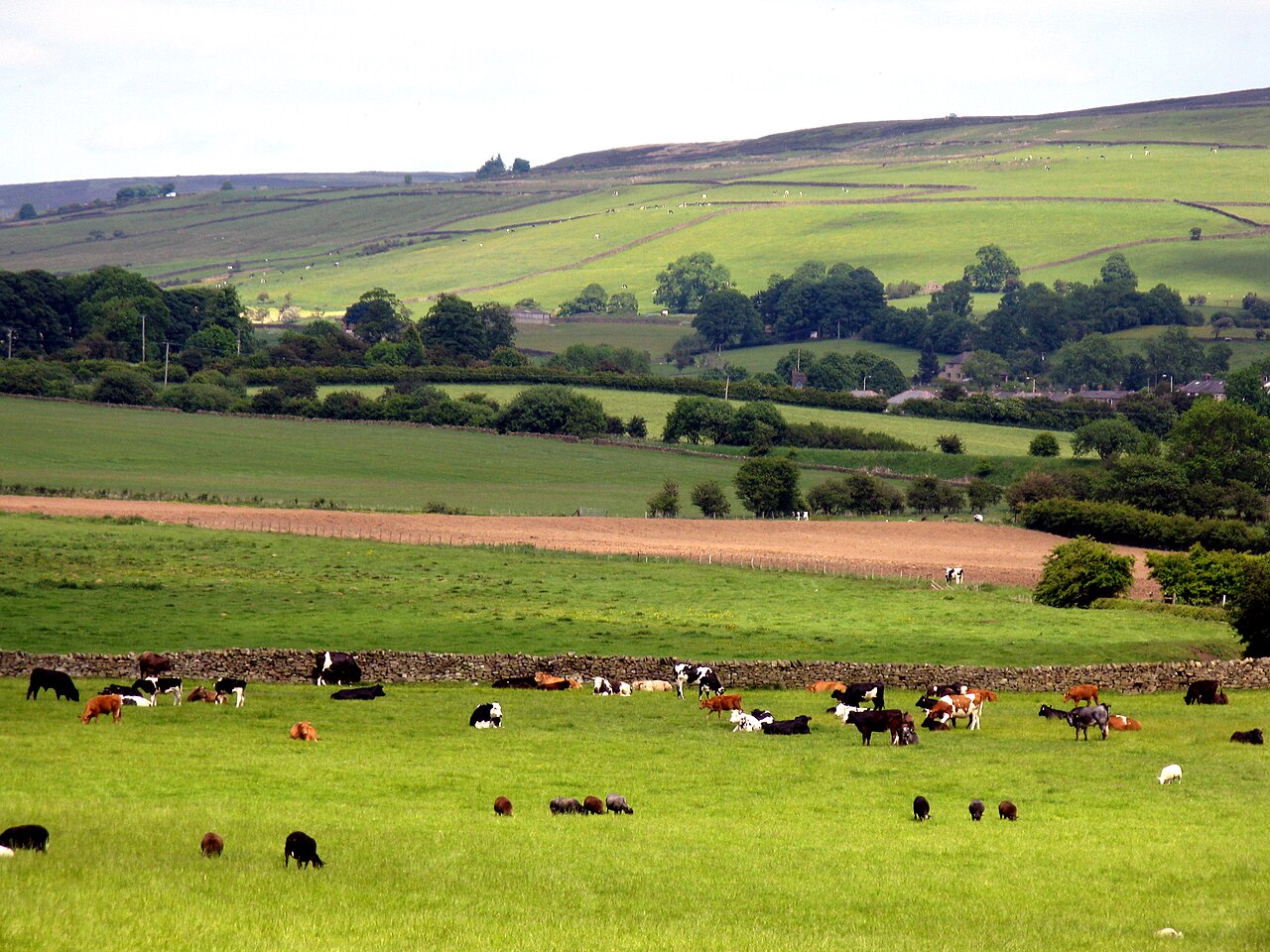
A report from the European Alliance for Regenerative Agriculture (EARA), published on 5 October, argues that rising input costs, bovine TB, water pollution and the falling number of young farmers in Ireland share "systemic roots" and that a move to regenerative farming could tackle them together, Agriland reported.
The report, Regenerating Systemic Risk: A Case Study on Ireland, was written with EARA's member farmers in Ireland and draws on research from Teagasc, the Central Statistics Office, University College Dublin and EARA itself. "It's too expensive for farmers, for taxpayers, and increasingly for the banks and insurers behind them," EARA said of the current farming model.
Its case studies include a regenerative dairy herd in Limerick that, according to the report, has stayed free of TB while the disease hit neighbouring farms, cut feed purchases by 96% and uses no synthetic fertiliser, with margins of 40 to 58 cents a litre against a national average of 30 to 39 cents.
EARA estimates that agronomic, economic and structural pathways to regenerative practice would cost EUR 3.7 billion to implement nationally but would cut imported inputs by around EUR 14 billion. It proposes paying for the shift by redirecting public money now spent on crisis management and through private finance such as preferential lending, outcome-based insurance and fair contracts.
The figures are EARA's own estimates and case studies; the organisation describes the report as a contribution to a movement already under way in Ireland rather than a finished blueprint.
Photo: Dr Neil Clifton / Wikimedia Commons (CC BY-SA 2.0)
Source: Agriland


Comments
(0)