
The Make America Healthy Again (MAHA) movement will keep shaping US pesticide policy, and agriculture has to keep speaking for itself, argues Eric Sfiligoj, editor of CropLife and CropLife IRON magazines, in a column. The views are the writer's own.
He starts from the US Supreme Court's 7-2 ruling in June that federal warning labels on glyphosate were sufficient and that additional state label warnings, central to many lawsuits, were not required. MAHA groups such as Moms Across America called on Congress to overturn it, and less than a month later Representative Anna Paulina Luna (R-FL) introduced a bill to amend the Federal Insecticide, Fungicide, and Rodenticide Act so that state failure-to-warn claims consistent with federal misbranding standards survive, and so that manufacturers cannot use EPA registration or label approval as a complete defence.
Daren Coppock, president and CEO of the Agricultural Retailers Association, told him the sequence shows MAHA's continuing influence. "I've been asked if MAHA is a blip or something longer term," Coppock said. "I think it's here to stay and our industry will have to keep dealing with it."
Sfiligoj notes that while most MAHA sponsors are small, public records show the Eisner Foundation and Fidelity Investments contributed almost $500,000 in grants to Moms Across America in recent years.
Coppock urged the industry to "stay grounded in the science, engage policymakers directly" and argue that the pesticide regulatory system protects both people and the farm supply chain. Lorren Walker, president and CEO of EliasWalker, told a July conference that the administration responds to pressure and that retailers and growers need to get involved. Sfiligoj agrees: staying silent, he writes, is not a practical policy.
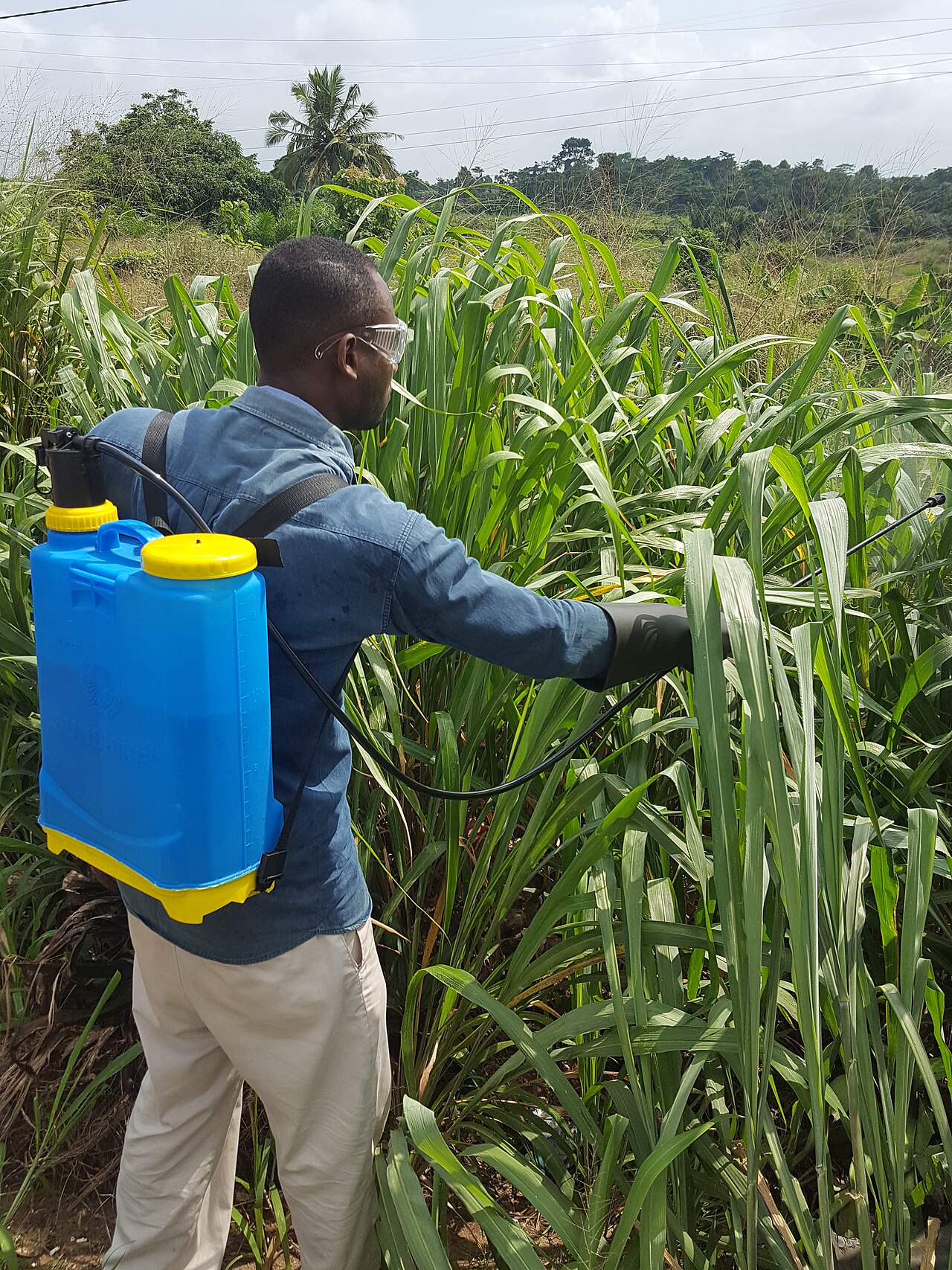
Photo: Boasiedu / Wikimedia Commons (CC BY-SA 4.0)
Source: CropLife


Comments
(0)