
Dengue deaths in Bangladesh have passed 300 this year, and Omar Sadat, a senior Supreme Court lawyer and urban-rights activist, calls that a record of state failure. In a column in Prothom Alo on Monday (12 October), he argues that governments, ministers and city leaders have changed but the outcome has not, so the problem is governance rather than the mosquito. The views are the writer's own.
He points to Article 32 of the constitution, on the right to life, and Article 18, which makes improving public health a duty of the state; hundreds of deaths a year from a preventable disease, he writes, breach that duty. Singapore, Indonesia and other warm countries also have Aedes mosquitoes, he notes, yet control dengue through surveillance, killing mosquitoes at source and accountability.
The column says a government survey had already identified 13 high-risk wards in Dhaka's two city corporations, with cement water tanks and waterlogged floors as the biggest breeding sites, yet effective action did not follow. Hundreds of crores of taka are spent on mosquito control each year, he writes, but there are no published ward-level mosquito maps, insecticide efficacy and resistance tests or independent audits. He also cites Dhaka North banning an insecticide that failed testing while Dhaka South kept using it, and the Anti-Corruption Commission finding alleged fraud in a raid on Dhaka South's insecticide store.
By contrast, he says, Kolkata succeeded by working at source for eight months, from November to June before the rains, instead of relying on fogging. He proposes amending city corporation law to make an annual mosquito-control plan mandatory, with penalties when it is not carried out.
His other proposals: legal recognition of dengue as a permanent public-health priority with a year-round budget, staff and accountability; a compensation framework for families when institutional negligence is proven to have caused a death; and public-interest litigation to obtain national directions from the Supreme Court. The question, he writes, is not about any one party but about whether the machinery of the state can be held to account.
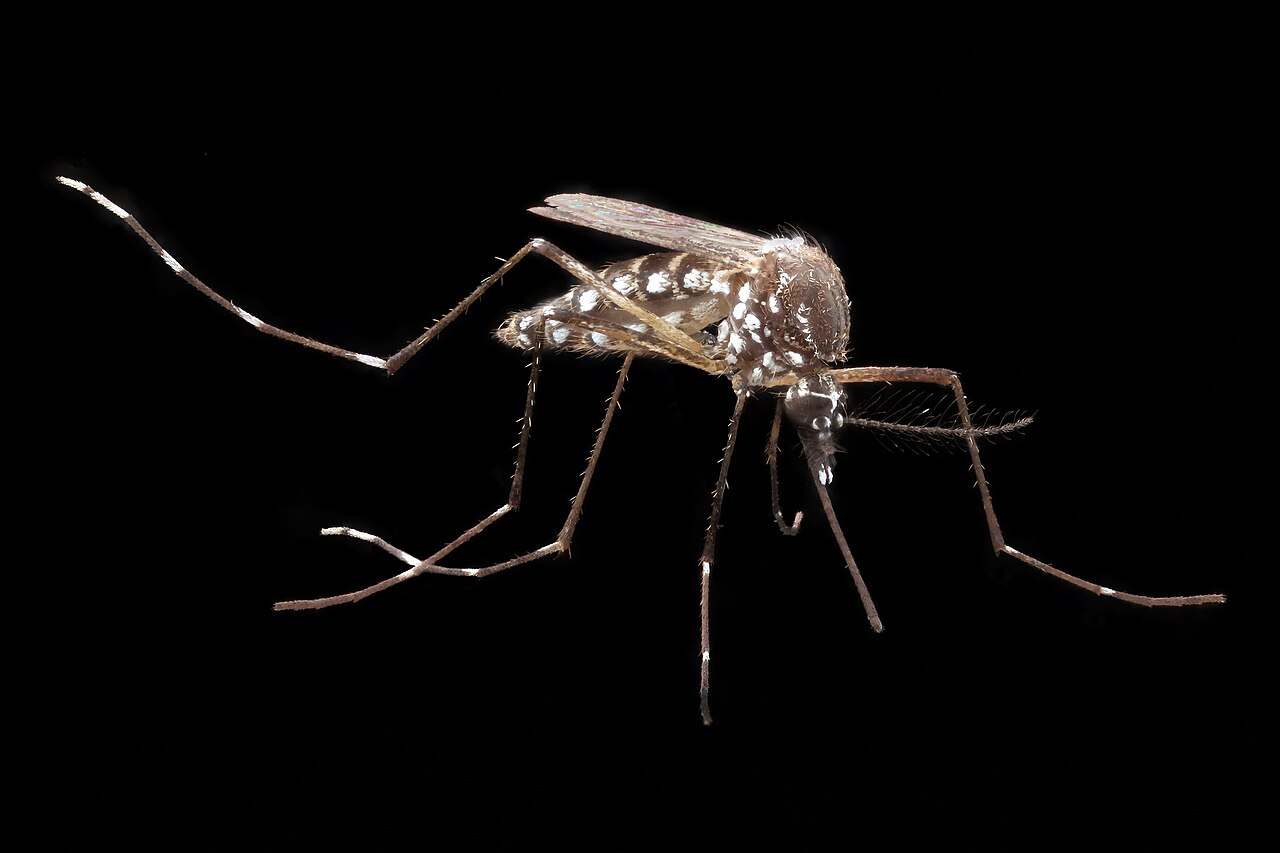
Photo: an Aedes aegypti mosquito. Photo: Graham Snodgrass, Army Medicine / Wikimedia Commons (CC BY 2.0)
Source: Prothom Alo



Comments
(0)