
Startups and investors like to talk up the gains from digitising farming and food: faster decisions, bigger yields, lower labour costs. Far less is said about the cyber risks that come with connecting the whole food system to the internet, writes Jennifer Marston, editor at AgFunderNews, in a signed column published on 12 October. The views are the writer's own.
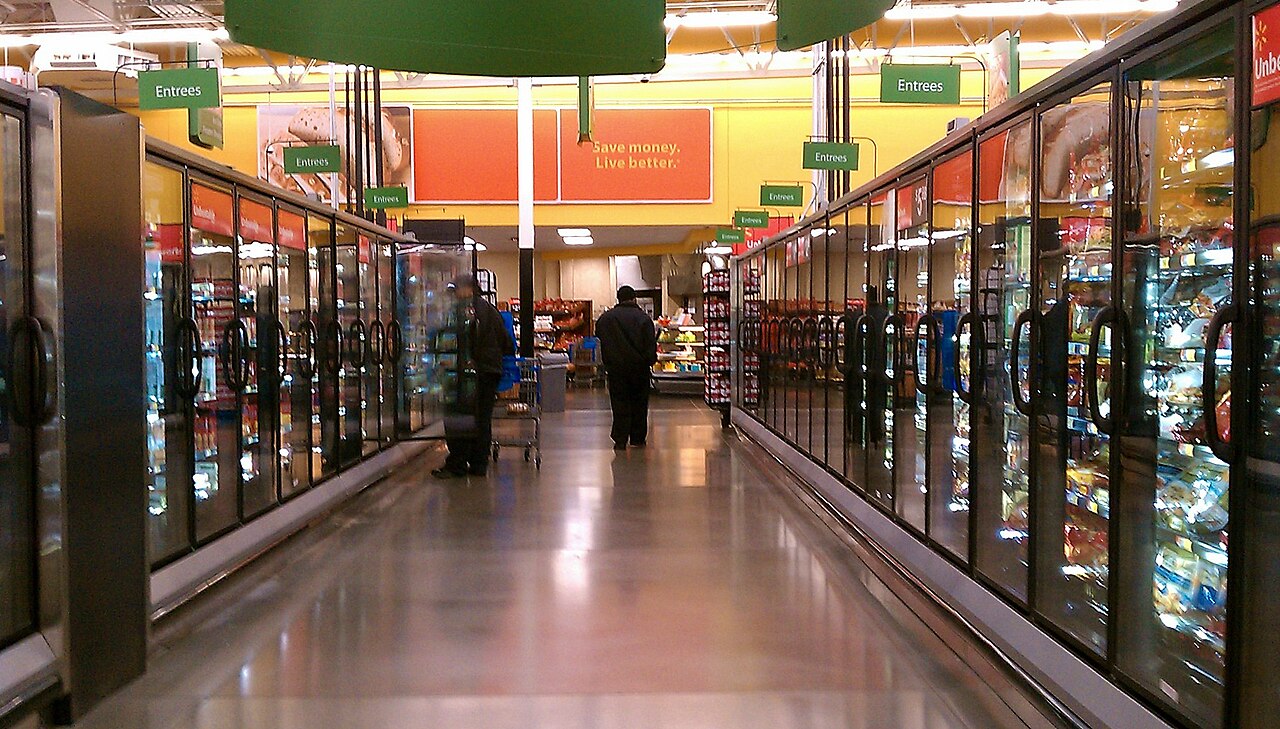
Her case in point is an attack that week in France. According to Reuters, which she cites, hackers pushed the temperature of freezers and fridges up to 122 degrees Fahrenheit at several hundred French supermarkets, spoiling food and causing fires. The cold aisles, which can be controlled over the internet, were running outdated firmware.
Marston lists other attacks across food and farming in recent years: ordering systems at distribution centres disabled, ventilation shut off at pig farms so that the animals caught pneumonia, and ingredient supplies cut to fast-food outlets. Ransomware attacks on the sector doubled in 2025, she writes, with 265 recorded incidents, 29 percent more than in 2024, and she believes the real figure is higher because many attacks go unreported.
What sets food apart, she argues, is that the damage is physical. Spoiled stock cannot be sold, and empty shelves are visible to everyone. In the United States the FBI and CISA have both flagged precision agriculture as an emerging weak point, yet the federal advisory on the subject has not been updated since 2018, and rules requiring companies to disclose attacks remain weak. For investors, she says, checking the security of a smart harvester, logistics platform or farm AI product should become part of due diligence.
The column points to one hopeful step: a paper in Nature Food, drawn from workshops with more than 150 participants from farms, co-operatives, agribusinesses, government, universities and security firms, that proposes a national Agriculture Cybersecurity Consortium in the United States to move the sector from crisis response to planning ahead.
"Every day, millions of small- and medium-sized agrifood operations across the supply chain face very real cyber risks, though many may not realize how vulnerable they are," said Richard Hull, a principal scientist at IC-FOODS and computer science lecturer at UC Davis. He hopes cyber health will become part of farm and food operations alongside crop health, animal health and food safety.
Agtech analyst Rhishi Pethe told Marston the sector needs "a culture of talking about cybersecurity", borrowing from banking and healthcare, which have had that conversation for decades. Marston says AgFunderNews will report on the subject over the coming months, speaking to founders, investors, farm and food operators who have been attacked, and policymakers.
For a farmer using connected sensors, irrigation controllers or a cold store run from a phone, the practical message is the same as in the French supermarkets: equipment left on outdated software is the easiest way in.
Photo: Maryland Pride / Wikimedia Commons (CC BY-SA 3.0)
Source: AgFunderNews

Comments
(0)