
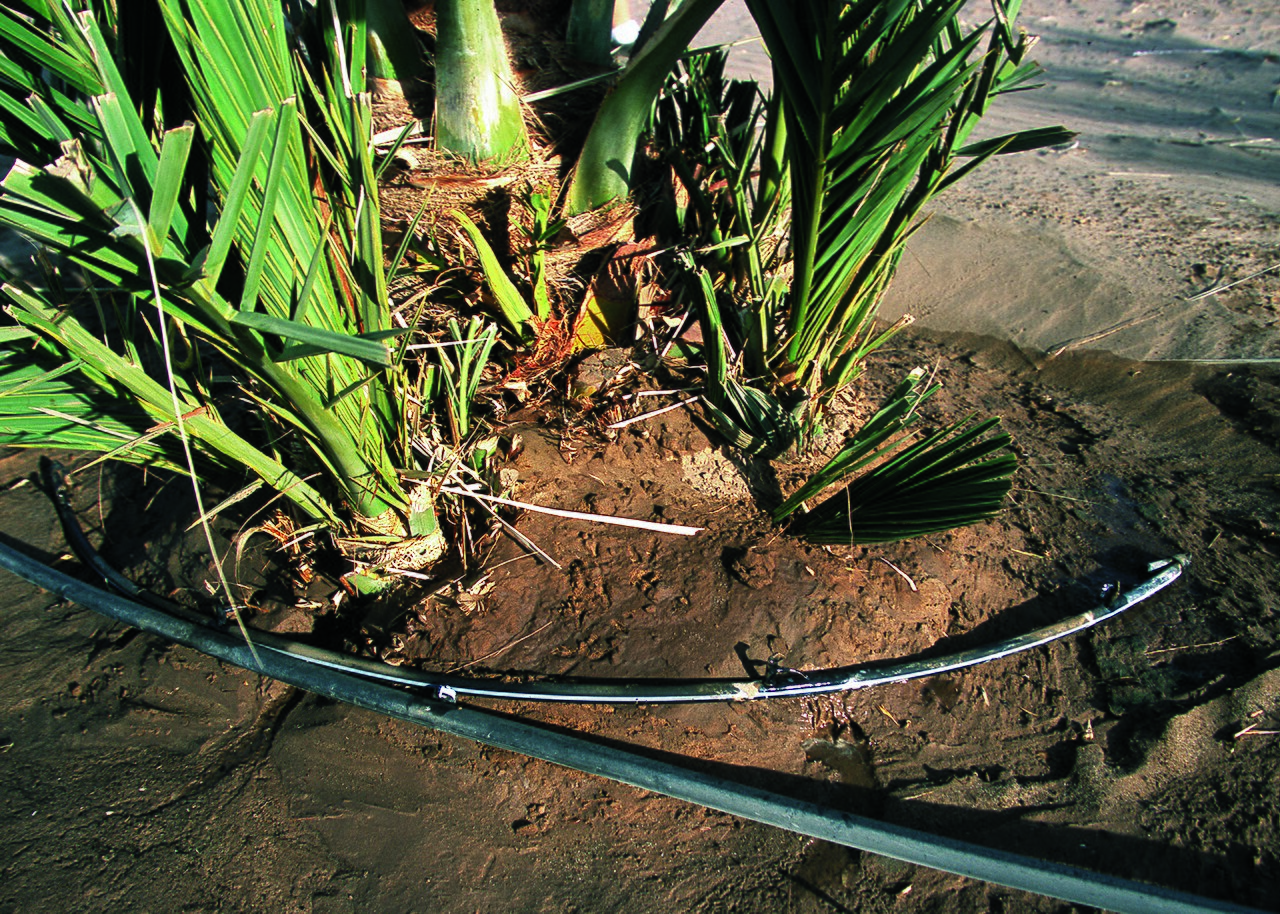
Splitting nitrogen into smaller doses closer to when the crop needs it is long-established agronomy, but carrying it out across a whole season is the hard part, writes Chris Malek, a senior agronomist with Deerpoint Group, in a column for CropLife. Deerpoint works with growers on crop nutrition, irrigation and nutrient delivery.
He cites a global meta-analysis of 1,883 paired observations in wheat, maize and potato which found that drip fertigation raised nitrogen use efficiency by 18 to 23 percent and, compared with conventional irrigation, cut nitrate leaching by 33 percent. The study, he notes, does not say how such a programme can be run consistently as field conditions change.
Crop demand shifts as the plant grows, so a fertiliser schedule should be a starting point, not a set-and-forget plan. Split applications through sidedressing, topdressing or fertigation match supply better to uptake, in line with the Four Rs of nutrient stewardship: right source, right rate, right time, right place. Fertigation is especially suited because nutrients go out in small increments through the irrigation system, and more advanced systems can adjust individual nutrients separately instead of at a fixed ratio.
The risk is drift. Wet weather closes an application window, heat waves push the crop ahead of schedule, a pump slips out of calibration, or the crew is stretched across several fields. Over a season, Malek writes, these small problems change what the crop actually receives; excess nitrogen can push leafy growth at the expense of grain or fruit, delay maturity and hurt quality, and nitrogen applied after demand has slowed is of little use.
Automated fertigation, he argues, can use crop-stage data to make daily adjustments without someone resetting the programme each time, cutting repetitive work and labour costs. He urges retailers and crop advisers to ask growers, before recommending a frequent-feeding plan, to walk through how it will be carried out from the first application to the last, so equipment and labour limits show up before the season.
Photo: Jeff Vanuga, USDA NRCS / Wikimedia Commons (Public domain)
Source: CropLife

Comments
(0)