
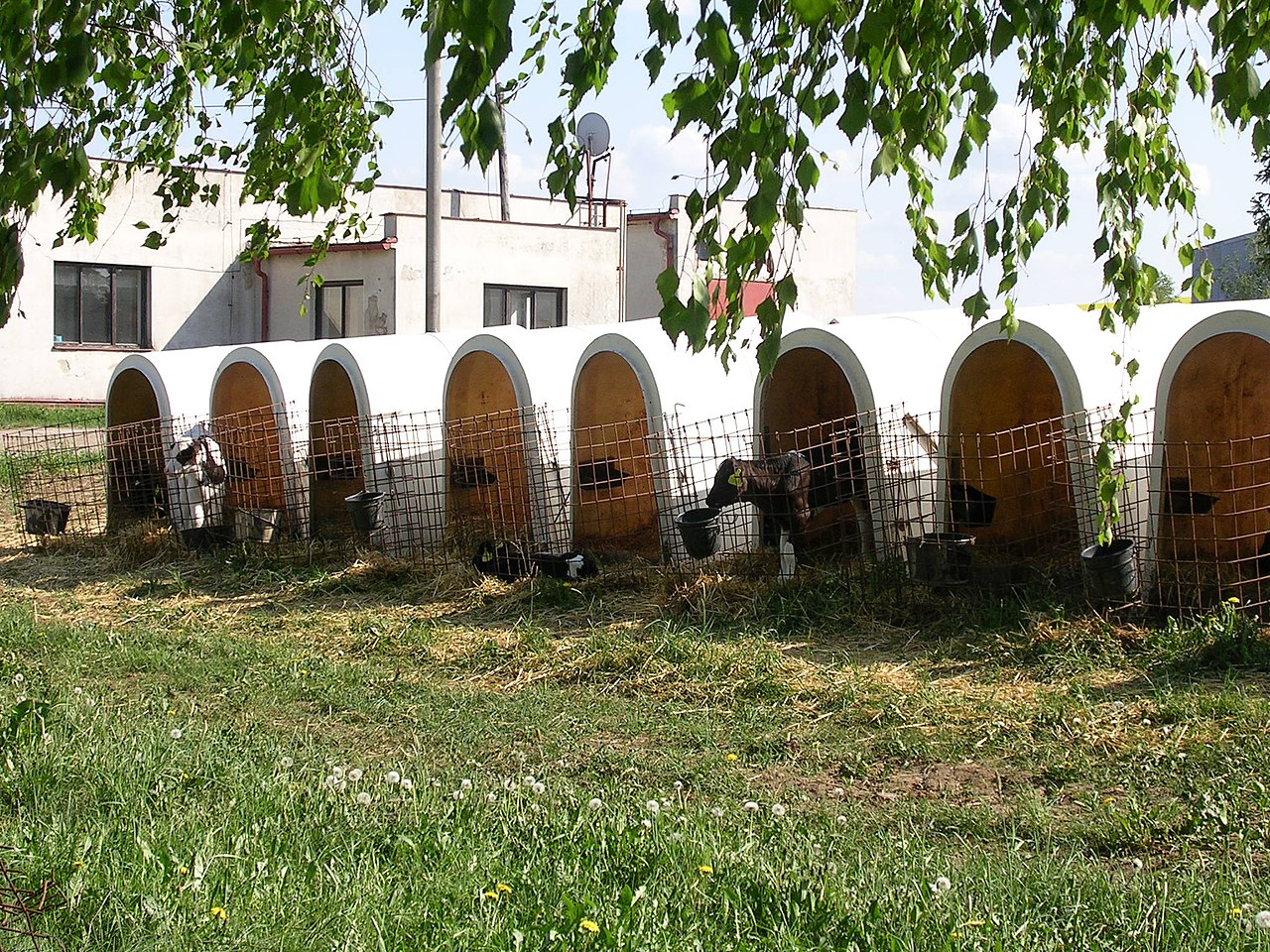
Cattle pregnancies can succeed without interferon tau (IFNT), a protein long thought essential, researchers at Ludwig Maximilian University (LMU) Munich report in Nature Communications. IFNT is made by the early embryo and was believed to be the key signal telling the mother's body to keep the pregnancy going.
A team led by postdoctoral researcher Dr Asghar Ali of LMU's Gene Center and Professor Eckhard Wolf, chair of molecular animal breeding and biotechnology, used CRISPR-Cas9 gene editing to remove all functional copies of the IFNT genes from bovine cells, made cloned embryos from them and transferred the embryos into recipient cows. Instead of failing, the embryos developed normally and established pregnancies, and two healthy female calves lacking functional IFNT genes were born in February 2026.
"We have demonstrated that cattle embryos can establish pregnancies and develop to term without producing interferon tau, a signal previously considered indispensable," Ali said. The usual interferon responses in the uterus were missing, yet the pregnancies continued, suggesting other routes of communication between embryo and mother.
One candidate is prostaglandin E2, which may help support the corpus luteum, the ovarian structure that produces progesterone to sustain pregnancy, but the researchers say more work is needed to confirm it. "The next challenge is to identify the alternative signals that allow pregnancy to be established and maintained," Wolf said.
Early pregnancy loss is a costly problem for dairy and beef farmers worldwide. Understanding the signals that keep a pregnancy going could, in time, lead to new ways to improve fertility in cattle herds, the researchers say.
Photo: ŠJů / Wikimedia Commons (CC BY-SA 3.0)
Source: Farms.com

Comments
(0)