
Harvest has started later than usual across much of the US Corn Belt, leaving growers who want cover crops only a limited window to establish them before temperatures fall, CropLife reports.
Cover crops need enough time to put on fall growth and overwinter, or to produce enough biomass to stabilise the soil before frost kills them, so growers facing delays must weigh whether the smaller benefit of late establishment is worth the cost. On the other hand, the warm, wet fall that is forecast means soils stay at risk of nitrification for longer after the cash crop comes off, raising the chance of nutrient leaching. In a year like this cover crops can hold on to more nutrients.
"A big consideration is what you'll be planting after the crop," said Mark Jeschke, Pioneer agronomy manager. "Cereal rye is commonly used ahead of soybeans, and other winter hardy species make more sense ahead of corn."
Each group of species does a different job. Winter-hardy grasses produce a lot of biomass and help with carbon sequestration and soil stabilisation, but must be terminated in spring so they do not compete with the next crop. Oats and other non-hardy grasses establish quickly and winter-kill, a simpler choice ahead of corn. Brassicas can break up compaction with deep taproots and break down quickly after hard freezes. Legumes supply nitrogen but must grow later into spring, which can interfere with seeding the cash crop. Mixtures can meet several goals in one pass, and growers should check whether a species hosts problem pests or diseases.
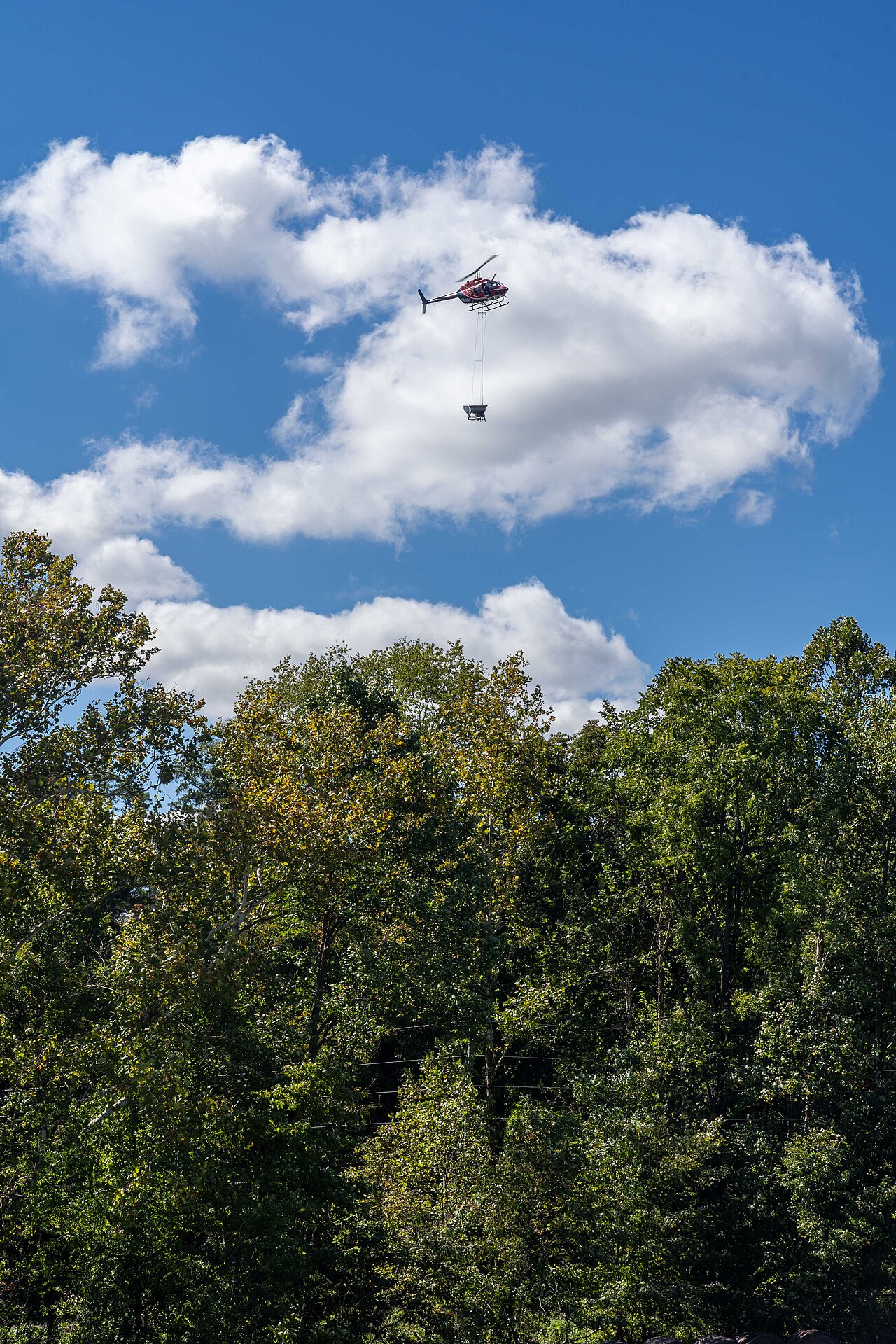
Drilling after harvest is ideal, but in a wet year with a late harvest, aerial or broadcast seeding is an option, using species that do not need good seed-to-soil contact. "It's going to be a year when drilling your cover crops is going to be difficult, but aerial seeding should be successful due to the amount of moisture available to help seeds germinate and grow from the soil surface," said Sara Lira, cropping systems lead at Vylor.
There will be no one-size-fits-all answer this season, the article says: each field should be judged on current and forecast weather, the mix and the planting method, and growers new to cover crops should start with a simple programme and build experience over time.
Photo: USDA / Wikimedia Commons (Public domain)
Source: CropLife

Comments
(0)