
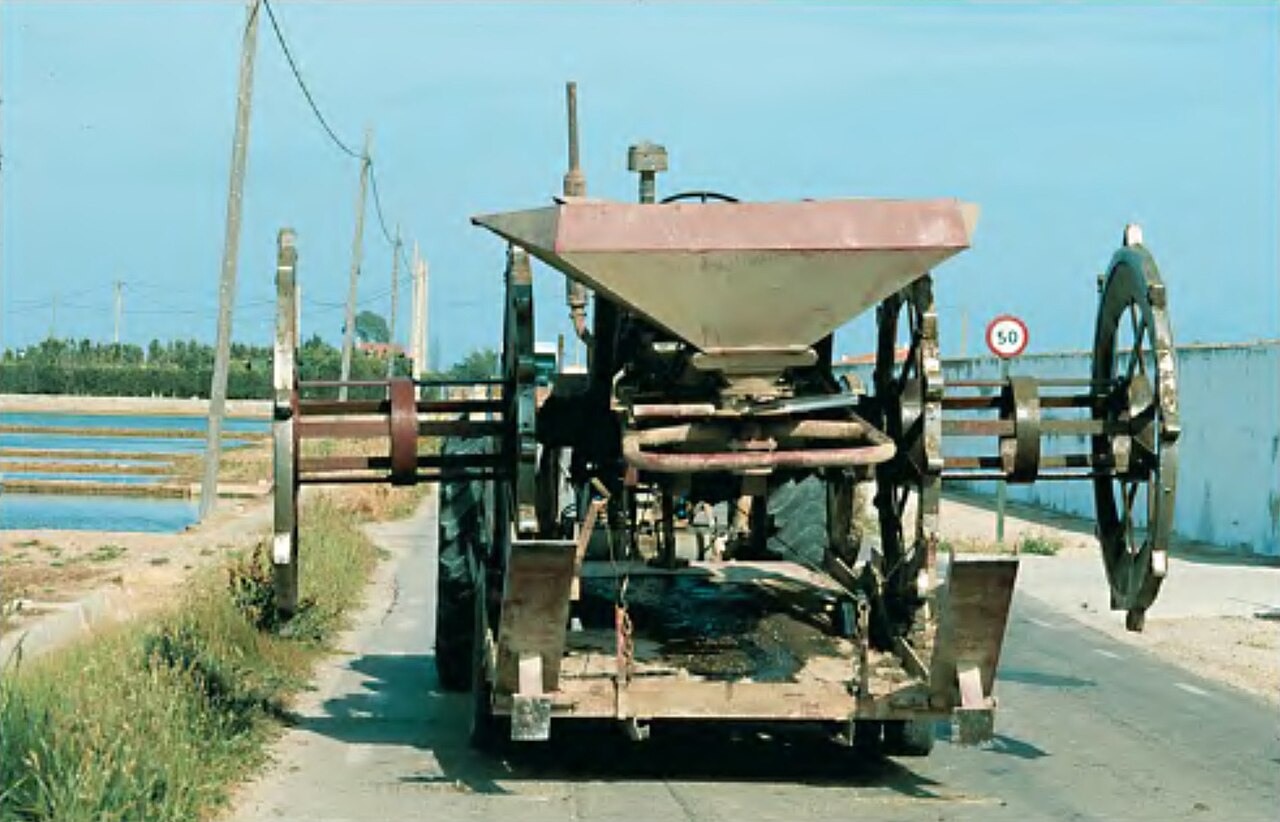
Bayer has expanded DirectAcres, its programme for direct-seeded rice in India, to more than 81,000 hectares (over 200,000 acres) in 2026, AgroSpectrum reports.
In direct-seeded rice (DSR), seed is sown straight into the field instead of raising seedlings and transplanting them. According to the company, DSR can cut water use by up to 30-40%, greenhouse gas emissions by up to 45% and reliance on manual labour by up to 50% compared with conventional transplanting, which is under pressure from water shortages, rising costs and lack of labour.
DirectAcres treats DSR as a cropping system rather than a single technology. It combines Bayer's seeds and traits, crop protection, digital farming tools and agronomy with mechanisation and digital advice, and connects farmers and local agri-entrepreneurs with machinery partners and public and private organisations.
Since its pilot in 2021 the programme has grown from 3,500 hectares in 2023 to 17,000 hectares in 2024, 46,000 hectares in 2025 and more than 81,000 hectares in 2026. It now runs in Punjab, Haryana, Uttar Pradesh, Bihar, Jharkhand, Odisha, Chhattisgarh, Madhya Pradesh and Maharashtra.
"It demonstrates that Direct Seeded Rice can be scaled across diverse geographies and farming conditions when farmers have access to the right technologies, services and support," said Simon Wiebusch, head of Bayer's Crop Science division for India, Bangladesh and Sri Lanka. Bayer says it will widen the programme's capabilities and partnerships as part of its regenerative agriculture plans.
Photo: Miquel Pujol Palol / Wikimedia Commons (CC BY-SA 3.0)
Source: AgroSpectrum

Comments
(0)