
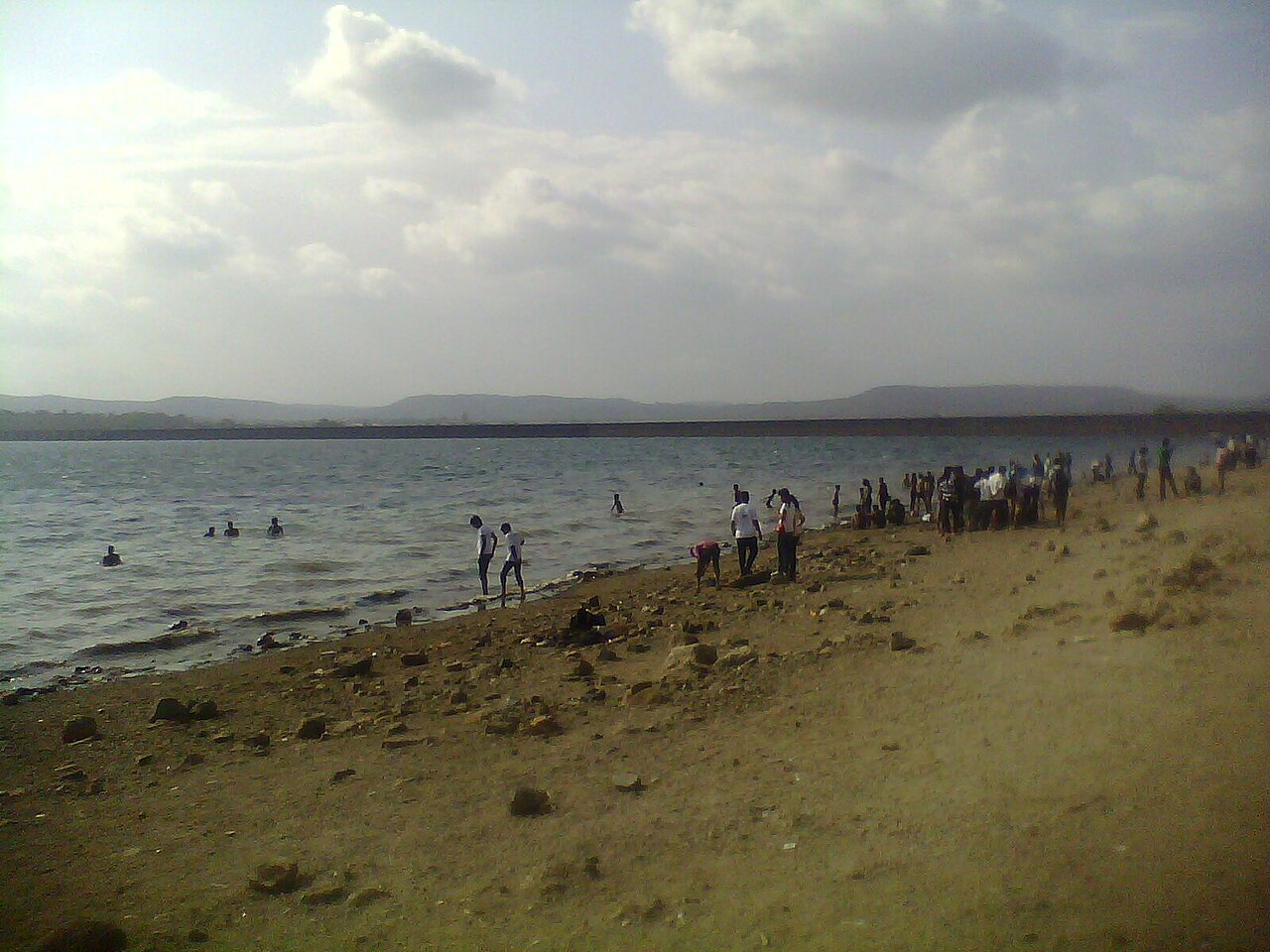
Cities and districts across the Indian state of Maharashtra are bringing in water restrictions from mid-October after a deficient southwest monsoon, Down To Earth reports. The state government has told municipal corporations, municipalities and gram panchayats to cut water supply by at least 10% from 16 October. In September it declared 265 of Maharashtra's 358 talukas, nearly 74%, drought-affected.
Pune will suspend water supply across the city every Thursday from 15 October, to make existing reserves last until August 2027. On 13 October the Khadakwasla reservoir system, a main source for the city, held 38.78 thousand million cubic feet; storage at the same time last year was about 95%.
In Nagpur district the disaster management authority has banned the drilling of new borewells and tubewells, and the deepening of existing ones, in urban and rural areas until further orders. The ban covers farmers, households, builders and industries; government agencies are exempt and existing borewells can still be used.
In Chhatrapati Sambhajinagar, in drought-hit Marathwada, water releases for irrigation have been restricted except where unavoidable, at least 10% of live storage in major reservoirs must be kept for drinking water, and industries must reuse 30% of the water they use. The agriculture department has been asked to advise farmers to grow less water-intensive crops in the coming rabi season, and the administration will review conditions every 15 days and may take over private wells for public use.
Major irrigation projects in the region held 58.34% of capacity on 13 October, against 97.30% a year earlier, the lowest of the state's major project groups; medium projects held 21.12% (76.23% a year ago) and minor ones 15.42% (66.70%). In Beed, five of eight dams were empty; in Dharashiv, seven of nine irrigation schemes were dry; and in Nanded, six of nine projects had no water or less than 10%.
The report is by Himanshu Nitnaware for Down To Earth.
Photo: Arnova / Wikimedia Commons (CC BY-SA 3.0)
Source: Down To Earth

Comments
(0)