
An unusually strong El Nino has this week raised worries about food security worldwide, fed wildfires and prompted warnings about power supplies, Naya Diganta reports, drawing on AFP. El Nino forms when sea surface temperatures in the Pacific rise, and it shifts weather patterns around the world.
IMF Managing Director Kristalina Georgieva told AFP she is "deeply concerned" about El Nino's global impact, especially on food security, and that the IMF is "preparing" to help countries that may struggle to cope. The UN Development Programme warned on Sunday that higher borrowing costs, rising fuel prices and a strong El Nino have combined into a "perfect storm" that could push many millions of people back into poverty. Aid workers in southern Madagascar said they are already dealing with the effects of famine.
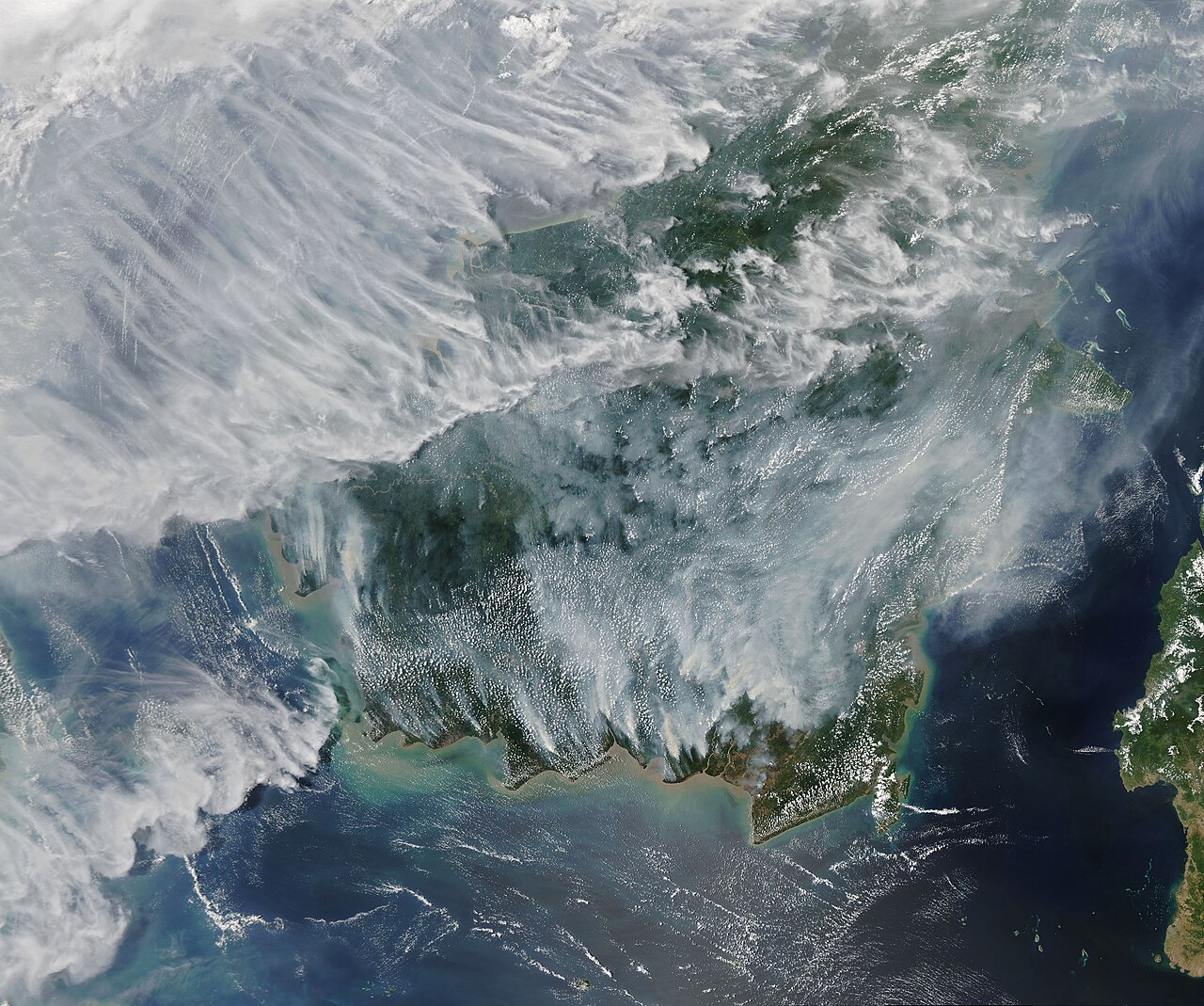
In Indonesia, El Nino is linked to severe drought. Forests and plantations across Borneo and South Sumatra have burned for months; the smoke led Malaysia to close schools in some areas and Singapore to subsidise treatment for haze-related illness. Experts say years of deforestation and draining of peatlands have raised the fire risk in the dry season. Between August and 9 October, 46 orangutans were rescued from the fires.
In Brazil's Amazonas state, nearly four times as many fire hotspots were detected in September as a year earlier, with more than 749 burning on a single Wednesday, and smoke closed public schools in Manaus. In Myanmar an out-of-season heatwave has strained the power grid, and forecasters warn of unusual rain, drought and drinking water shortages. The Philippines is preparing for lower hydropower output, and in Thailand floods have killed 71 people since mid-September.
The UN's World Meteorological Organization says El Nino will keep strengthening until it peaks in December, bringing above-average temperatures across much of the world and changes in rainfall that raise the risk of drought and floods. The EU's Copernicus Climate Change Service says sea surface temperature in a key El Nino monitoring area of the Pacific reached an all-time high of 29.70 degrees Celsius last month, and Japan's weather agency says this El Nino is the most intense on record.
Some call it a "super El Nino", while many scientists prefer "very strong". Comparisons are complicated because forecasters use different yardsticks and climate change has already warmed the oceans. El Nino has also left the Atlantic hurricane season unusually quiet, with one so far, while the Pacific cyclone season is very active.
Photo: NASA, Joshua Stevens / Wikimedia Commons (public domain)
Source: Naya Diganta


Comments
(0)