

Suspected cholera cases in war-torn Yemen have tripled in three weeks, the World Health Organization (WHO) warned on Tuesday, 13 October. Dhaka Post's international desk reports that, by WHO's count, there were 217 suspected cases in the week of 6 to 12 September and 647 in the week of 27 September to 3 October.
So far this year Yemen has recorded 8,034 suspected cholera cases and 27 deaths, a quarter of them in the last four weeks. WHO says the added burden of disease is putting fresh strain on hospitals already busy treating people wounded in the fighting.
The renewed war and mass displacement have raised the risk of outbreaks, the agency says. Overcrowding, a shortage of safe water and disrupted health services leave many people exposed to preventable diseases including cholera and measles. The UN's International Organization for Migration said on Monday that more than 217,000 people have fled their homes since the violence escalated.
Annette Heinzelmann, WHO's emergencies director for the region, said families fleeing the conflict face diseases that can be both prevented and treated. Without urgent funding for safe water, vaccination and essential health care, she warned, the outbreak could spread quickly among people who are already vulnerable.
Cholera is an acute intestinal infection spread mainly through food and water contaminated with faeces carrying the bacterium Vibrio cholerae. It causes severe diarrhoea, vomiting, muscle cramps or stomach pain and can kill if untreated, but it is easily treated with oral rehydration salts, and with antibiotics in severe cases.
WHO says it has received only $3.78 million of the $31 million it needs for 90 days of emergency work in Yemen. The money will go on expanding disease surveillance in displacement sites, deploying rapid response teams, strengthening cholera treatment and improving infection control in health facilities.
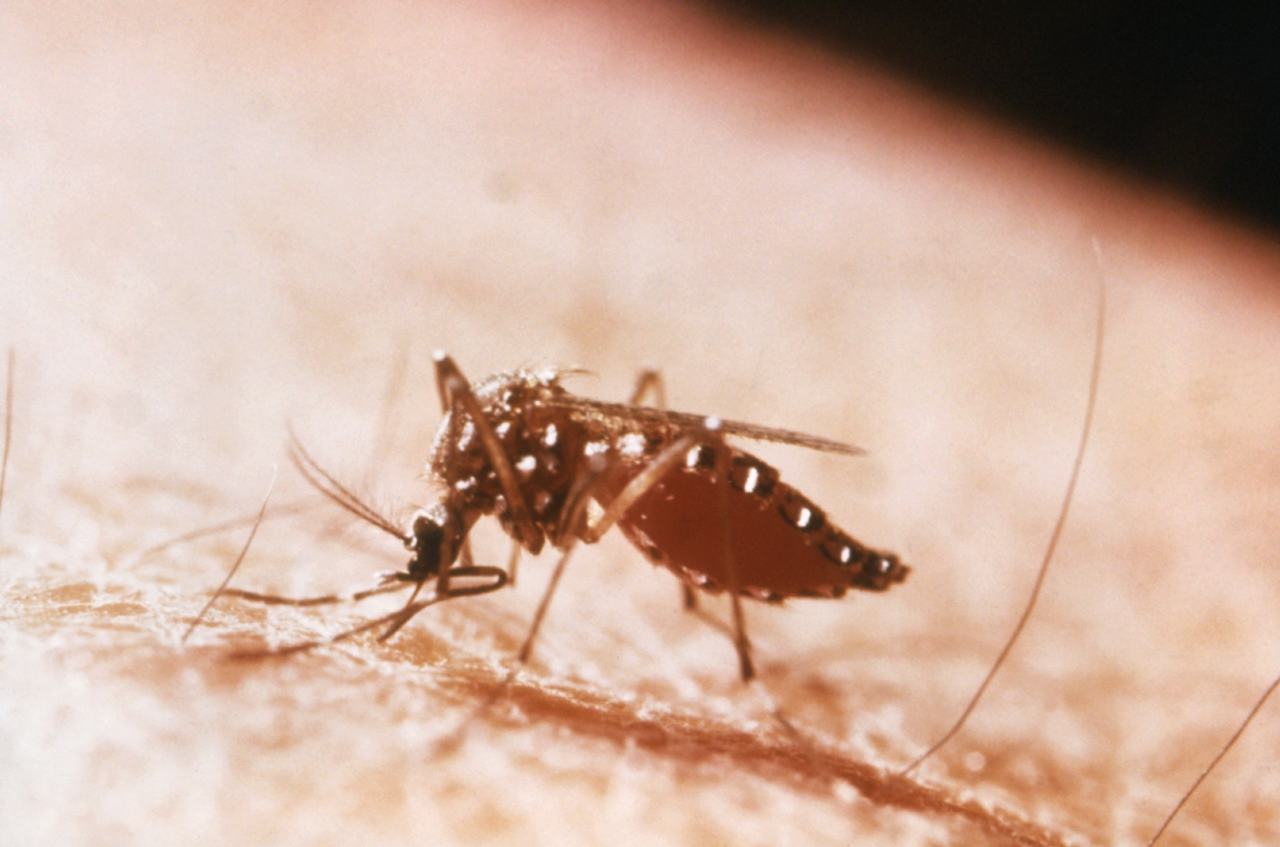
Photo: Tom Kirn, Ron Taylor, Louisa Howard, Dartmouth Electron Microscope Facility / Wikimedia Commons (public domain)
Source: Dhaka Post



Comments
(0)