
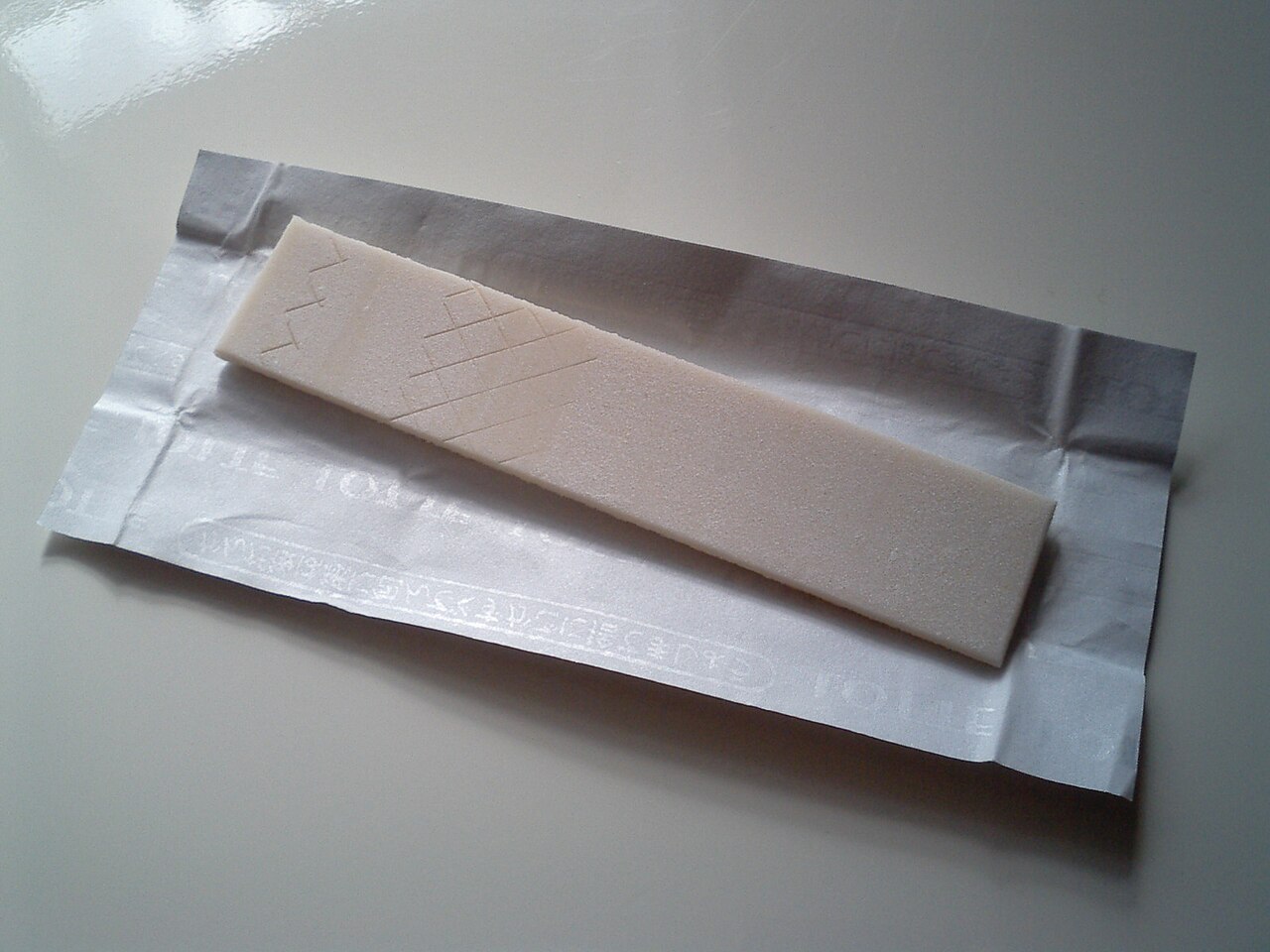
Chewed the right way and in moderation, chewing gum can help protect teeth, especially for people whose mouths tend to be dry. A habit of chewing too much, however, can cause problems in the jaw bones and muscles, Dr Md Asafuzzoha Raj, a dentist at Raj Dental Centre in Kalabagan, Dhaka, told Prothom Alo.
He explains that chewing gum increases saliva production roughly tenfold. Saliva neutralises the harmful acids made by bacteria in the mouth and so protects tooth enamel, while the calcium and phosphate it carries help prevent decay. Saliva also lubricates food, aids digestion and improves taste. Chewing raises blood flow and oxygen levels in the brain, helps lower stress hormones and reduces bad breath.
There is a downside. Gum that contains sugar causes tooth decay, or dental caries. Chewing for too long puts extra strain on the jaw joint, the temporomandibular joint, and on the surrounding muscles, which can lead to clicking in the jaw, headaches and pain in the ear or jaw. Artificial sweeteners such as sorbitol can give some people diarrhoea.
The dentist lists who should avoid gum: people who have recently had a filling, an implant or braces, those with jaw problems or TMD, people who grind their teeth at night and migraine sufferers. Small children and people who have trouble swallowing risk getting gum stuck in the throat.
For those who want to chew, Dr Raj recommends sugar-free gum containing xylitol. To spare the jaw muscles, a session should last no more than 10 to 15 minutes, and the best time is after a heavy meal, when chewing helps keep the teeth clean.
Photo: Lusheeta / Wikimedia Commons (CC BY-SA 3.0)
Source: Prothom Alo




Comments
(0)