
Water and food security can only be strengthened together, through more efficient water use, fairer allocation and a shift towards circular and regenerative farming, FAO Director-General Qu Dongyu told the Rome Water Dialogue 2026, a high-level session of the World Food Forum in Rome.
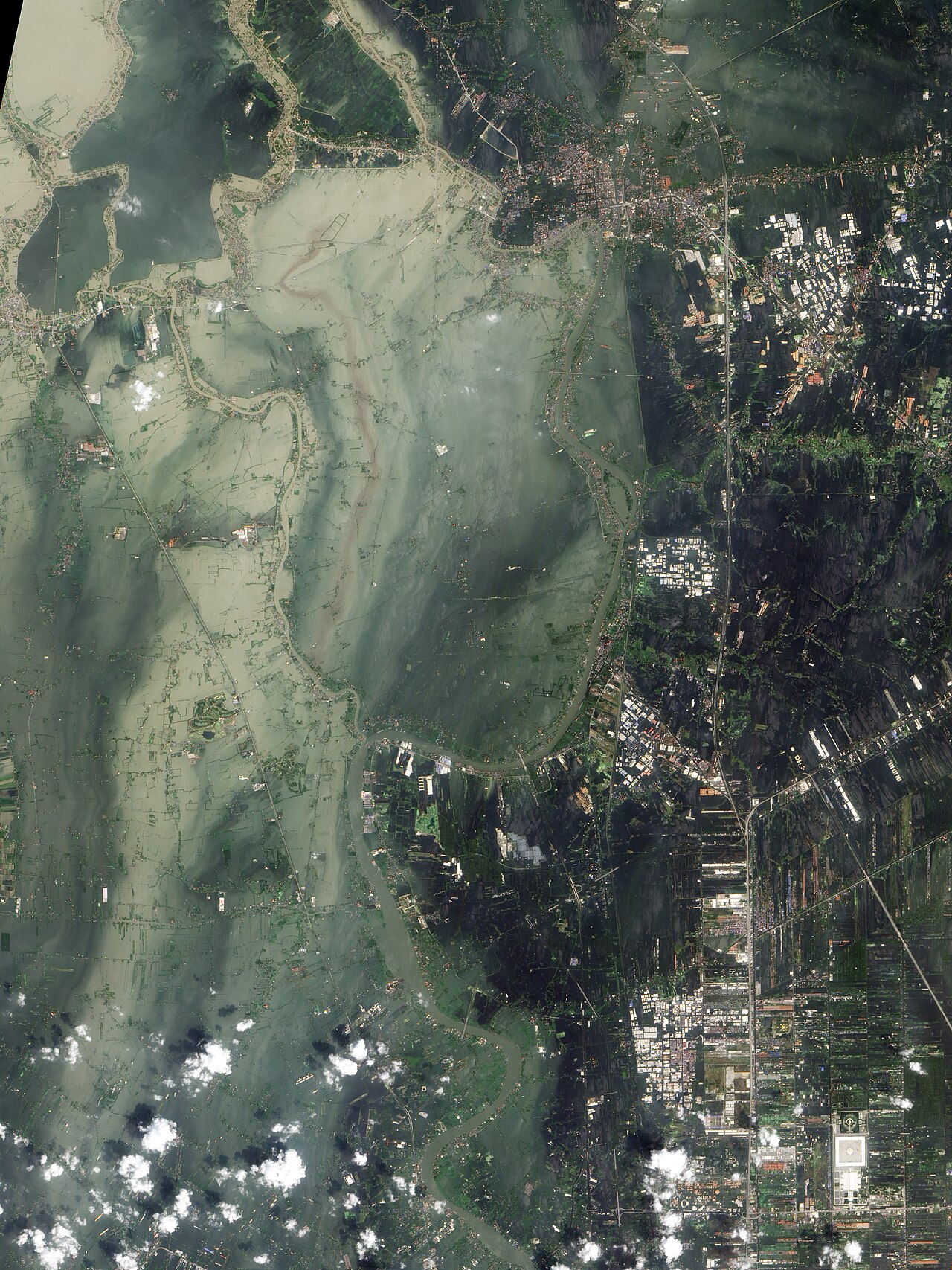
Recent El Niño events have shown how quickly shifts in rainfall can bring droughts and floods that kill people, livestock and crops, Qu said, increasing competition for scarce water among farms, towns, industry and ecosystems. "Water security is food security. Water is food. Water is life," he said, adding that water cannot be secured "without changing how agriculture uses and manages it."
He called for wider use of a "4R" approach: reduce, reuse, recycle and replenish. He set out four priorities to be pursued together: better water-use efficiency through innovation, reliable data and transparent water accounting; fair and reliable access, particularly for small-scale producers, women, Indigenous Peoples and vulnerable communities; stronger preparation for droughts and floods through early warning; and protection of the forests, rivers, lakes and soils that regulate the water cycle. "Efficiency without inclusion deepens inequality," he said.
The dialogue also discussed water pricing and allocation, with FAO saying incentives backed by public policy can encourage efficiency while protecting basic needs. FAO is continuing its Global Dialogue on Water Tenure, launched at the 2022 UN Water Conference, along with water tenure assessments, water accounting and National Water Roadmaps.
FAO also launched a digital platform, the Mapping of Irrigation Potential and Needs Initiative (IRMA). It brings together data on existing irrigation, biophysical suitability, development needs and expected benefits so that farming areas can be assessed, compared and prioritised, helping governments decide where irrigation is feasible, most needed and likely to pay off.
Ministers and officials from Lesotho, Tajikistan, Türkiye, Kazakhstan, Syria, Saudi Arabia, Thailand, Morocco and China took part, along with the UN desertification convention and the Asian Development Bank.
Source: FAO Newsroom
Comments
(0)