
Europe's cities increasingly face too much water in storms and too little in droughts, and the European Union is turning to the "sponge city" model to handle both. The bloc's 2025 Water Resilience Strategy called for more sponge cities and restored wetlands, and it is now developing a "Sponge Facility" to help build them, Euronews reports.
A sponge city retrofits streets and neighbourhoods with green spaces, permeable surfaces and water storage so that rain is absorbed, held and reused instead of rushing into drains. That eases pressure on sewers during storms and keeps water for dry spells, when it can recharge groundwater or irrigate parks; the greenery also cools streets in heatwaves. "One of the most impactful ways cities can adapt is by reversing a century of urban design that treated rainfall as waste rather than as a valuable resource," said Justin Abbott, fellow and Europe water leader at the engineering consultancy Arup.
The idea was developed in the early 2000s by the Chinese landscape architect Kongjian Yu, who proposed ponds, wetlands and planted channels to catch rain before it reached rivers. After floods killed 79 people in Beijing in 2012, China adopted national sponge city guidelines in 2014, launched a 16-city pilot including Wuhan, Xiamen and Chongqing, and added 14 more cities, among them Shanghai and Shenzhen, in 2016. It aims to have 80% of its built-up urban area working as sponge city by 2030.
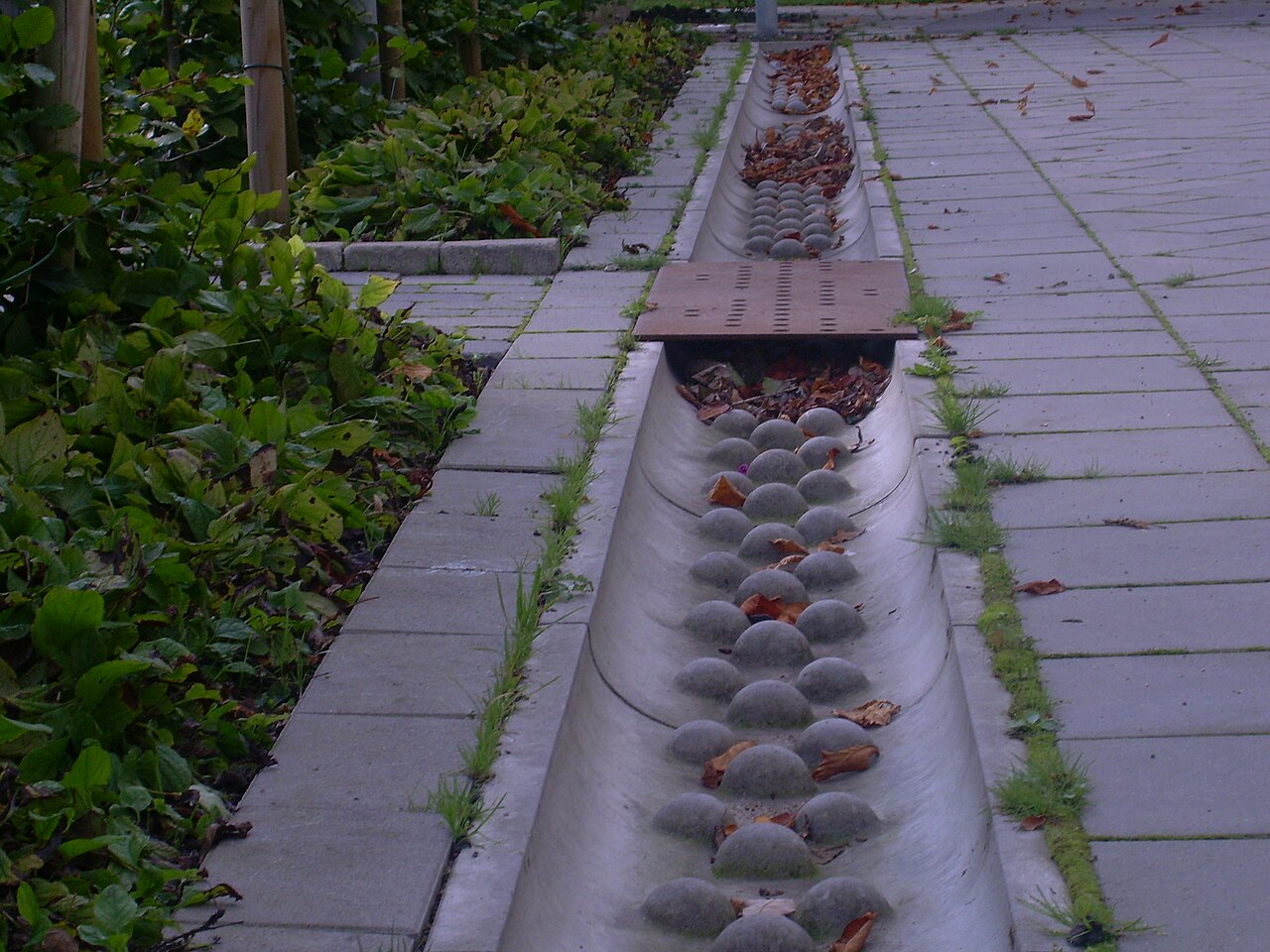
Europe has its own examples. Between 1998 and 2002 the Augustenborg neighbourhood of Malmö, Sweden, installed green roofs, wetlands, retention ponds and six kilometres of open water channels, and suffered much less flood damage than other districts in the storms of 2007 and 2014. Rotterdam's Benthemplein water square, opened in 2013, is a basketball court in dry weather and holds up to 1.7 million litres in its three basins during heavy rain. Copenhagen's Tåsinge Plads, opened a year later, collects water from nearby roofs in underground storage and rain gardens.
Historic centres, with protected buildings, crowded streets and buried utilities, are harder to retrofit, but Abbott said that "should encourage better targeting, not inaction", suggesting smaller steps such as removing courtyard paving, planting trees and adding green roofs.
Sponge measures have limits. In extreme storms the soil saturates and storage fills, as the 2024 floods around Valencia showed, so cities still need conventional drainage, larger reservoirs and planned flood routes. Abbott said authorities, water utilities, developers and landowners all share responsibility for rainfall: "In planning and designing cities, we need to put water first."
The report is by Craig Saueurs for Euronews.
Photo: Niklas.nilsson / Wikimedia Commons (Public domain)
Source: Euronews


Comments
(0)