
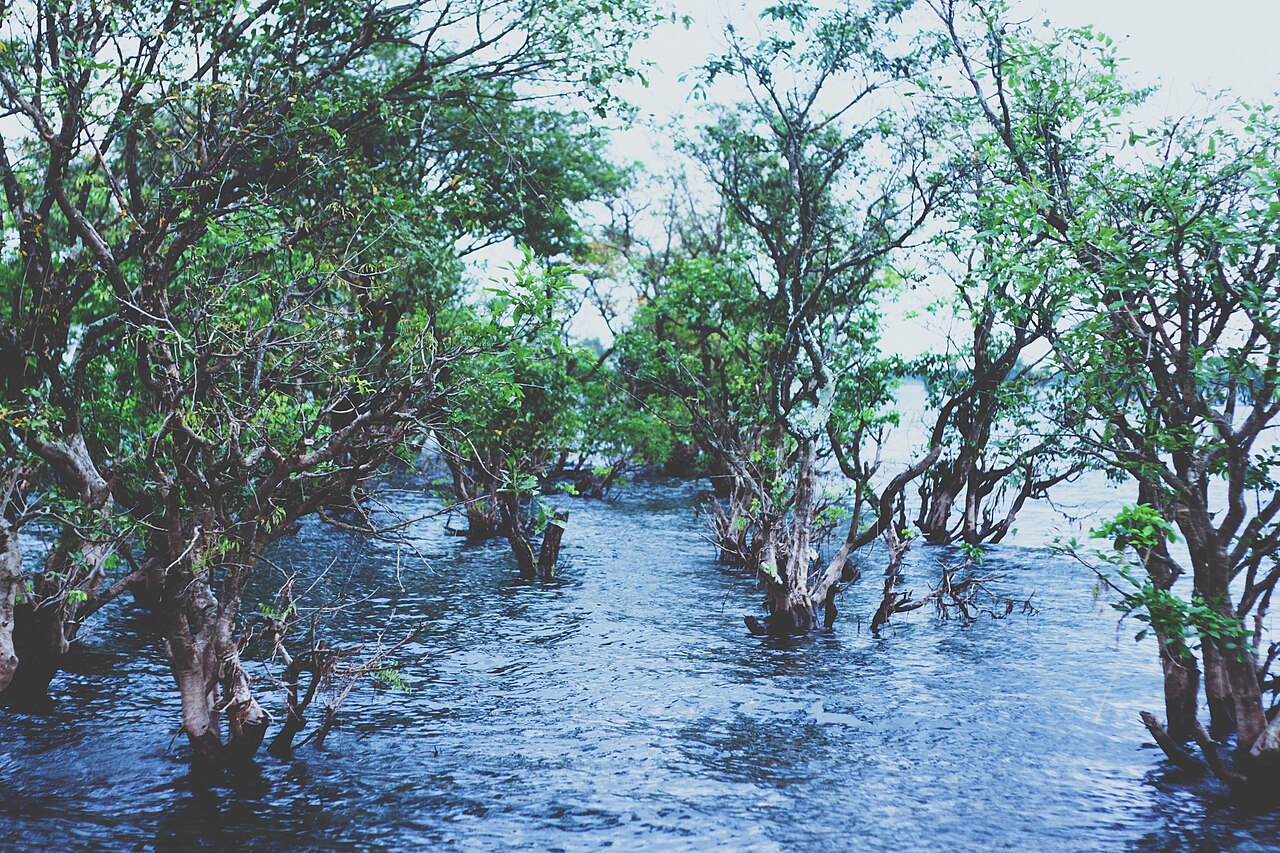
The haors, vast bowl-shaped wetlands in Sylhet, Sunamganj, Habiganj, Moulvibazar, Kishoreganj and Netrokona, are open water in the monsoon, farmland in the dry season, breeding grounds for fish and home to migratory birds. In a column in Banglanews24, public relations specialist and researcher Enamul Haque Arafat writes that treating a haor as merely waterlogged land or farmland misses its importance; protecting it is at once a question of farming, fisheries, food security and the rural economy.
The 2026 Bangladesh Haor and Wetland Conservation Act, he writes, provides a legal framework for listing, demarcating and declaring protected areas and for management, and even bans water extraction that breaches the safe limits of aquifers or damages the habitats of aquatic animals and plants. The challenge now is enforcement, coordination among the water, environment, agriculture, fisheries, land and local government agencies, and local monitoring.
He warns that roads, embankments, unplanned structures, filling in of water bodies, excessive water extraction and pollution together affect the whole haor system. The impact on water flow, fish breeding, farming and the climate must be weighed before large projects, and the habit of seeing wetlands as 'empty land' must change, since they hold floodwater, provide fish breeding grounds and supply food and income.
The column's central proposal is research: a long-term 'haor environmental monitoring system' for each important haor, regularly measuring water depth and quality, fish species and breeding, aquatic plants and birds, land use, siltation, sources of pollution and the pattern of flash floods. He proposes a digital haor database combining satellite imagery, GIS, drone surveys and field data, so that change can be analysed from evidence rather than guesswork.
The writer notes that UN Environment Programme documents on Bangladesh describe climate risks in the haors including floods, erosion, siltation and damage to farming and fisheries. Rather than embankments alone, he argues for zone-based climate-resilient planning that decides where water stays, where crops grow and where fish sanctuaries go, with fishers, farmers, boatmen and women as partners, alternative income for fishers in the breeding season, and environmentally friendly farming.
He proposes a national 'haor research fund' with priorities including biodiversity, climate impacts, river-haor water flows, sustainable fisheries, environmentally friendly farming, GIS and remote-sensing monitoring and wetland restoration. Projects should be judged by their environmental and social results, he says, not by money spent or kilometres of road built. The views are the writer's own.
Written by Enamul Haque Arafat, public relations specialist and researcher, Haor Protection, Research, Development and Wetland Conservation Forum; Banglanews24
Photo: Priom Pritom / Wikimedia Commons (CC BY-SA 4.0); Tanguar Haor, Sunamganj
Source: Banglanews24



Comments
(0)