
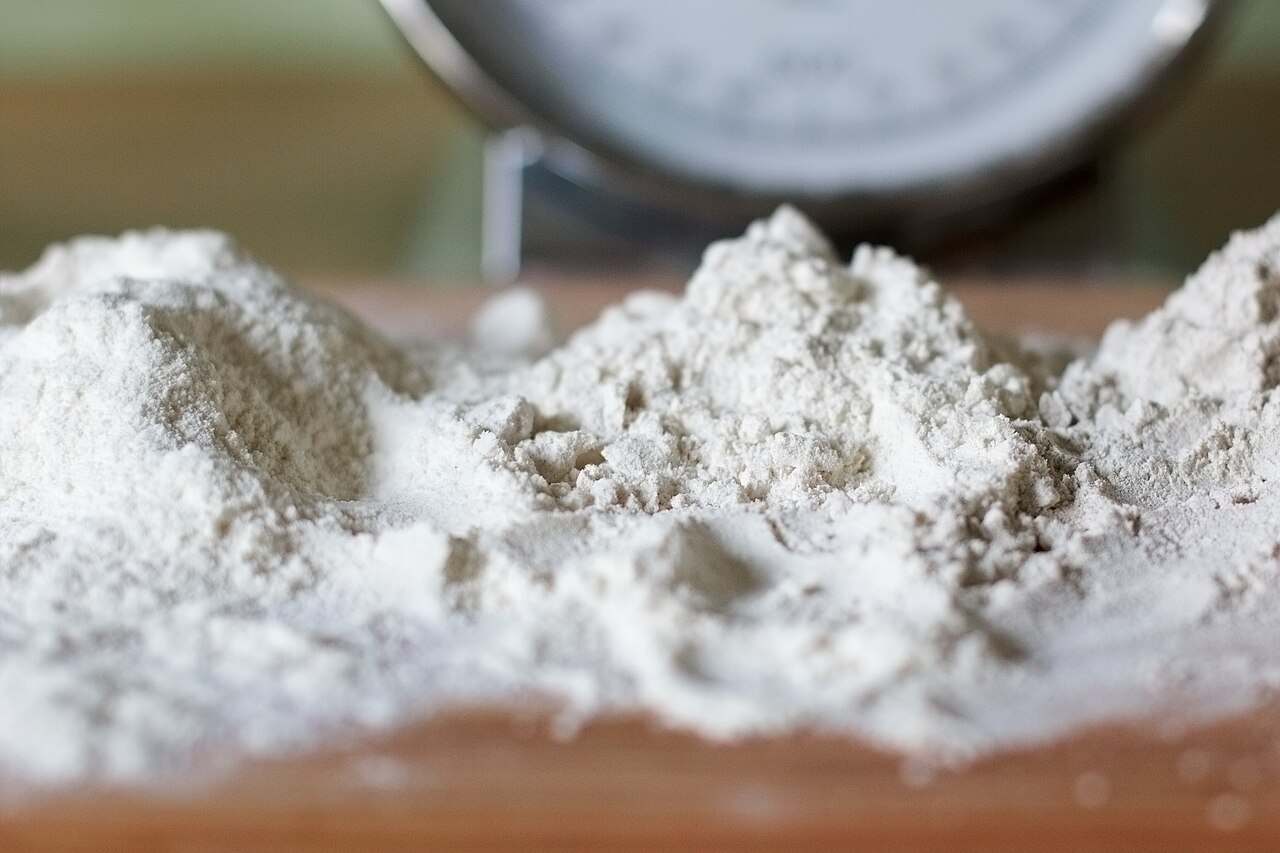
After iodised salt and vitamin A-fortified edible oil, Bangladesh should consider adding vitamins and minerals to wheat flour, argues food scientist, researcher and food technology specialist Dr Shahidul Islam. In a column in Dhaka Tribune he cites the United Kingdom, where non-wholemeal wheat flour must by law contain iron, calcium, thiamine (vitamin B1) and niacin (B3), and folic acid is due to become mandatory from 13 December 2026.
Rice is Bangladesh's staple, he writes, but many households wash it several times, soak it or drain off the starch water, which can wash out water-soluble nutrients. Fortified rice kernels are technically possible, but countless small rice mills, cost and quality control make them complicated at national scale. Flour is not usually washed, a premix can be added at the mill in set amounts, and the use of roti, paratha, biscuits and noodles is growing.
He cites the 2025 Bangladesh Multiple Indicator Cluster Survey: about 43.9 per cent of children aged 12 to 59 months and about 53.1 per cent of pregnant women are anaemic. Anaemia is not always iron deficiency, he notes; shortages of folic acid and B12, infections and inherited haemoglobin disorders can also cause it. Too little folate early in pregnancy raises the risk of neural tube defects in the baby, and many women learn they are pregnant only weeks later, so getting some folic acid into everyday food could be effective.
The column calls for scientific assessment of adding zinc and vitamin B12, noting that an earlier national survey found significant zinc deficiency among children and women. The choice of iron compound, how well the body absorbs it, any change to the flour's taste and colour, and how stable the nutrients remain in storage must also be considered.
Implementation needs quality premix, regular calibration of dosing equipment, checks that mixing is even and testing of market samples. Unless small and medium mills are brought in with simple technology, training and technical support, the benefits will be limited. Costs will rise, he writes, but per person they may be small compared with the cost of treating malnutrition and lost productivity.
He proposes that before making fortification mandatory, Bangladesh carry out an up-to-date national micronutrient survey, find out how much flour people eat by region and age, and set its own standard rather than copy the UK's. Fortification is no substitute for a balanced diet, he says, but an extra nutritional safety net. The views are the writer's own.
Written by Dr Shahidul Islam, food scientist and food technology specialist, Dhaka Tribune
Photo: Mudd1 / Wikimedia Commons (CC BY-SA 3.0); wheat flour
Source: Dhaka Tribune




Comments
(0)