
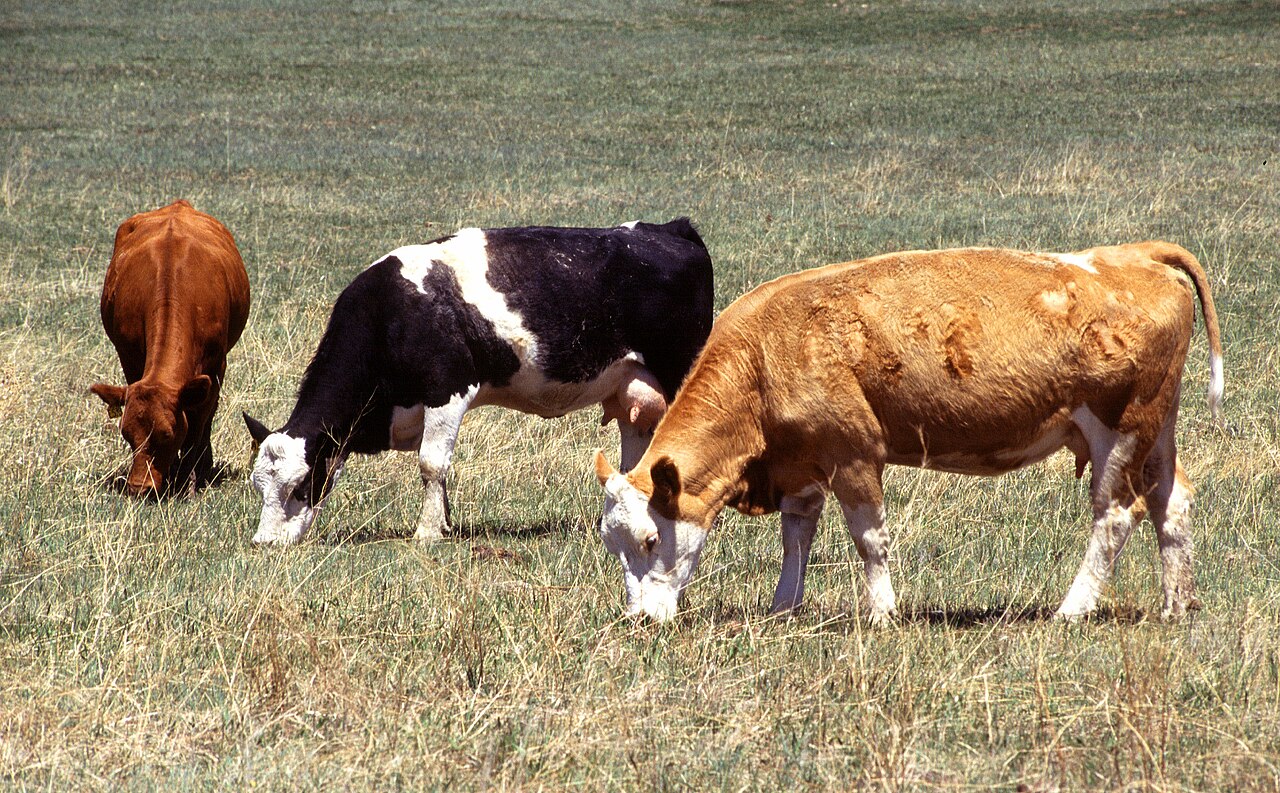
A 200-page report from Australia's national science agency CSIRO, commissioned by the federal agriculture department, has assessed close to 80 technologies for cutting greenhouse gas emissions on farms across six sectors: red meat and sheep, dairy, cropping, horticulture, pigs and poultry, Beef Central reported.
The Priorities for Low Emissions Agricultural Solutions Investment report finds a growing range of promising options, from feed supplements to experimental anti-methane vaccines for livestock. But it concludes that technical performance is a poor predictor of whether farmers adopt a technology. Cost, return on investment, ease of use, delivery, trusted data and market value shape uptake far more.
For cattle and sheep, most of which graze extensive pasture, the main obstacle is getting a product to the animal reliably and cheaply and proving that it works. Without solutions for delivery and for monitoring, reporting and verification, the report warns, even highly effective methane reducers will stay confined to intensive systems. Most enteric methane inhibitors, including asparagopsis seaweed and garlic or citrus extracts, do not pay for themselves under current grazing economics without premiums, procurement contracts, energy revenue or carbon credits, it says. Herd management, pasture-based plant compounds and selective breeding show positive or near-neutral returns.
Of 19 methane-reducing technologies for livestock, only two were rated as having high abatement potential over the next 10 years: breeding cattle for low methane and an anti-methanogen vaccine, which is still in early development. "There is no single technology that will deliver lower-emissions agriculture across Australia's diverse farming systems," said joint lead author Dr Peat Leith. His co-author Dr Michael Battaglia said solutions must be "practical, commercially attractive and valued by the markets they serve" so that producers have a reason to adopt them.
The report also warns that as the rest of the economy cuts emissions, agriculture's share of national emissions will rise, while buyers and financiers are moving faster than farms through supply-chain reporting rules. It sets out suggested actions for three periods to 2030, 2030-2035 and after 2035, with the years to 2030 focused on getting systems ready rather than large national cuts. The story was reported by Jon Condon.
Photo: Scott Bauer, USDA Agricultural Research Service / Wikimedia Commons (Public domain)
Source: Beef Central

Comments
(0)