
In the highlands of Misha district in Central Ethiopia's Hadiya Zone, smallholder farmers are turning small plots of oats into a profitable business selling forage seed, according to the International Livestock Research Institute (ILRI). Feed shortages, erratic rainfall, shrinking farms and poor access to good planting material have long held back their livestock.
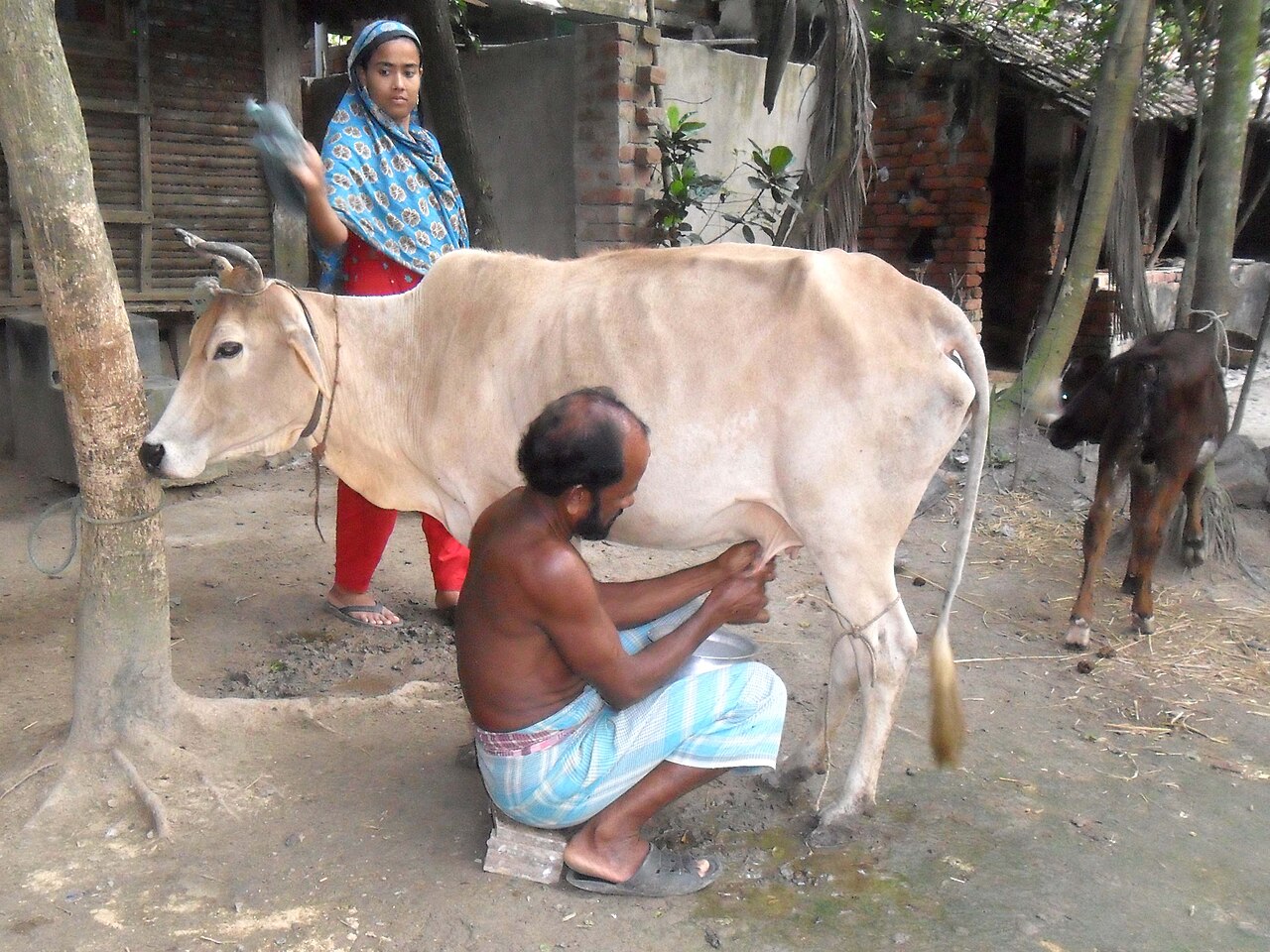
Ayele Tibebu, a father of five, planted oats for seed on just 0.25 hectares in 2024 and harvested 600 kilos. Demand was high and he sold the lot for ETB 45,000 (about USD 288). In 2025 he expanded to 0.375 hectares and produced 900 kilos, as prices rose to ETB 120,000 (USD 770) a ton. With the money, and other household income, he bought an ox so he no longer rents one for ploughing, a Jersey heifer for milk and fruit trees such as avocado, and he can now pay for fertilizer and improved seed. He plans to expand to 0.5 hectares for 2027.
He also grows phalaris, Guatemala, elephant and desho grasses around his homestead. Because they grow in different seasons, his animals have feed all year, and perennial grasses such as desho keep sloping soil covered against erosion. "I started on a very small piece of land," he says. "But that small start has given my family a more secure future."
The work is part of an ILRI-led effort to commercialise forage seed under the TAAT II project. Farmers get early generation seed from research centres plus training in seed production, certification and marketing. The Licha Farmers' Union, with 83 cooperatives and 10,000 members, is a key partner; Tibebu chairs one of its groups, the Gombora cooperative, whose members pooled 25 hectares and produced 19 tonnes of quality declared seed, checked by the regional input-quality authority.
"Quality assurance and a reliable market made the difference," said ILRI social scientist Million Gebreyes. Senior scientist Kindu Mekonnen said better feed also helps the climate, because well-fed animals produce more milk or meat for each unit of greenhouse gas, and called on zonal and regional governments to help scale the approach.
Source: ILRI
Comments
(0)