
A surge in demand for protein-rich dairy foods and milk ingredients has changed how Canada's milk market works, Benoît Basillais, a director at the Canadian Dairy Commission, told Lactanet's Dairy Open Industry Forum in Toronto, the Manitoba Co-operator reported.
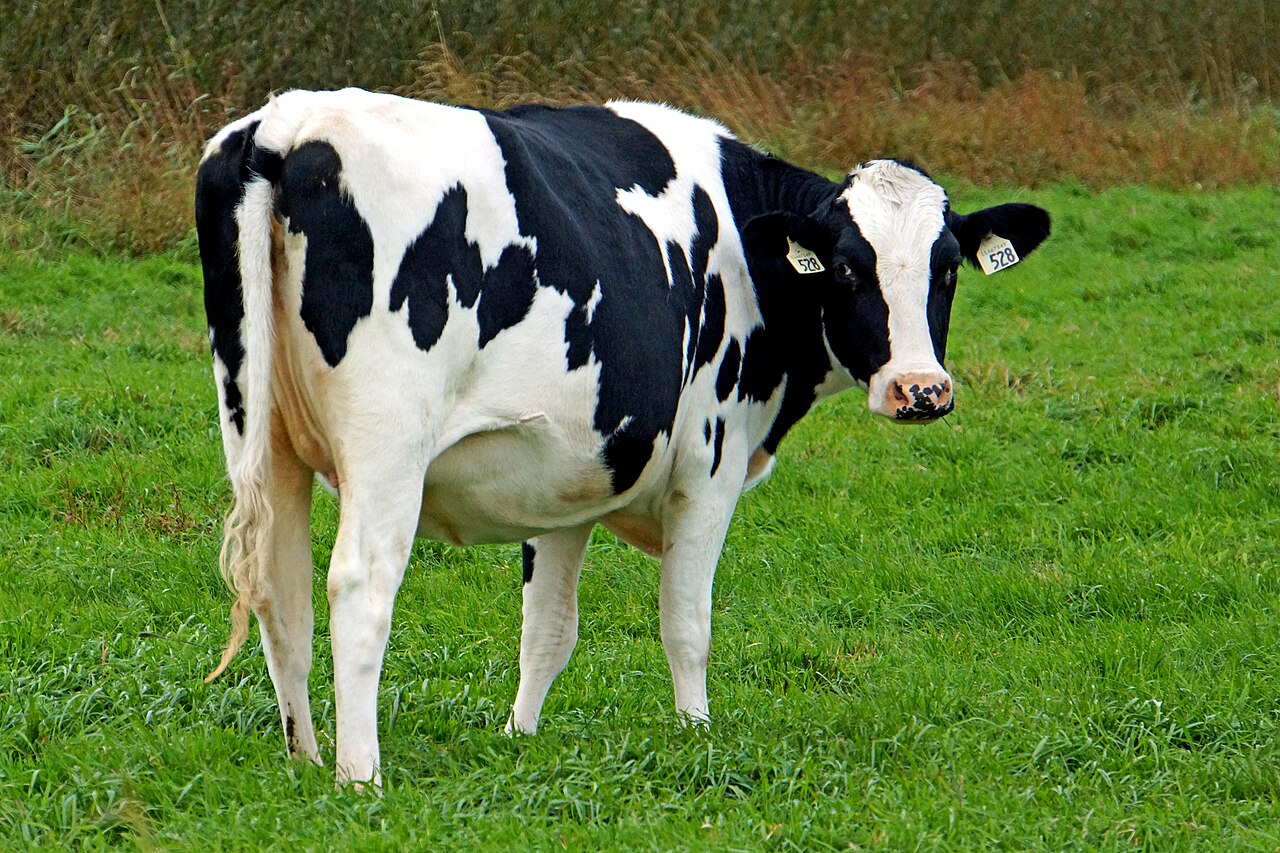
Between 2014 and 2023, Canadian consumers bought far more butter, cream, yogurt and cheese, and farmers responded by raising the butterfat content of their milk through feed and management. Holstein cows that usually give about 4% butterfat were reaching 5% and more, and the ratio between butterfat and solids-not-fat, which includes protein, fell to 2.11 by 2022 and 2023, leaving a structural surplus of other milk components.
Then, in 2025, demand for protein jumped, with high-protein yogurt, cottage cheese and dairy protein ingredients selling strongly. "Consumers woke up that protein is cheap and good for your health," Basillais said. Dairy producer organisations, which set milk pricing ratios under Canada's supply management system, made several changes earlier this year to reward protein.
The difficulty for farmers is that protein output responds little to feeding and management; the main lever is genetics, and "we don't change genetics in six months," he said. Butterfat is still needed, with cream demand growing 4 to 5% a year, and he said there could conceivably be a day when butterfat is in surplus instead. "In five years, we have a market that is balanced. Things happened very quickly," he said, calling it "a major change in the industry." The story was reported by John Greig.
Photo: Dennis G. Jarvis / Wikimedia Commons (CC BY-SA 2.0)
Source: Manitoba Co-operator


Comments
(0)