
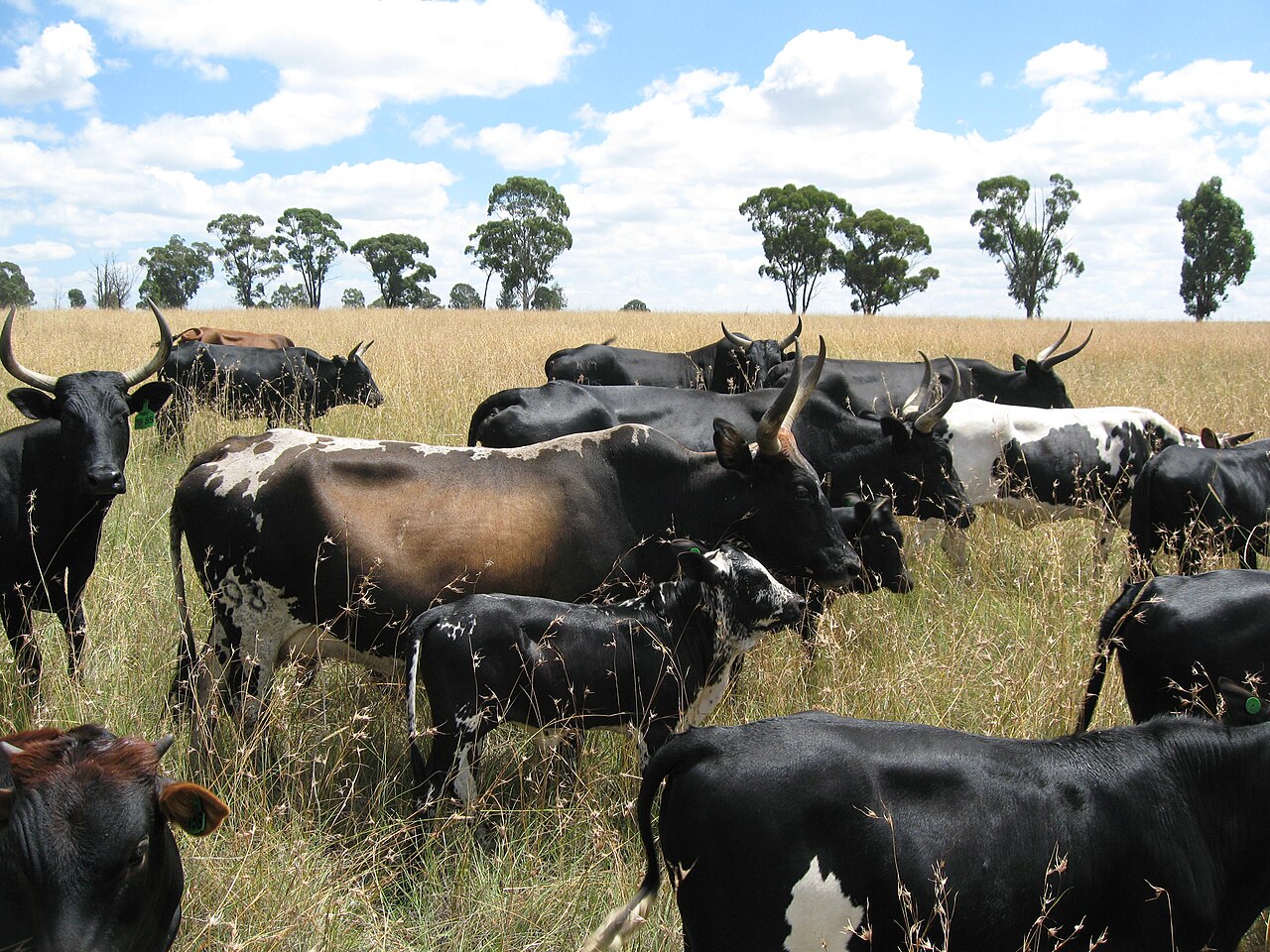
South Africa's Agricultural Research Council (ARC) says construction of its planned foot-and-mouth disease (FMD) vaccine factory cannot begin until the whole project is funded, even though R453.8 million is ring-fenced for it and the estimated cost has risen to about R1.6 billion, Farmers Weekly South Africa reported. That leaves a gap of roughly R1.15 billion.
The questions followed a meeting of Parliament's agriculture committee on 6 October, where the Auditor-General said the ARC had received about R535.5 million from National Treasury for the plant but had not started building. By 31 March 2026 the council had spent R81.7 million.
The ARC told the paper that the money was spent over more than 15 years on FMD vaccine development, efficacy and safety testing, production process redesign, training, engineering and architectural services, surveys and regulatory compliance. Its vaccine was registered as a stock remedy in 2022. It blamed the delay mainly on "insufficient and intermittent funding": the first allocation came in 2011/12 and the next major one only in the 2019-2022 budget period. Design changes, higher building and equipment costs and exchange rates pushed the bill up. The plant cannot be built in phases, the council said, and further delay will raise the cost again. It gave no itemised breakdown and no construction or completion dates.
The Auditor-General also raised concerns about Onderstepoort Biological Products (OBP), the state vaccine maker, whose manufacturing facility received about R492 million in 2013 but was halted in 2021. Agriculture Minister Willie Aucamp told the committee there was "nothing to show" for it apart from a storeroom of building supplies and that the Special Investigating Unit was looking into it. Auditors also said they could not determine whether R311 million spent on 3.42 million imported FMD vaccine doses was value for money; the findings did not establish wrongdoing.
For livestock farmers, the upshot is that no date has been given for locally made FMD vaccines while the country relies on imported doses. The story was reported by Hanlie du Plessis.
Photo: Justinjerez / Wikimedia Commons (CC BY-SA 3.0)
Source: Farmers Weekly South Africa

Comments
(0)