
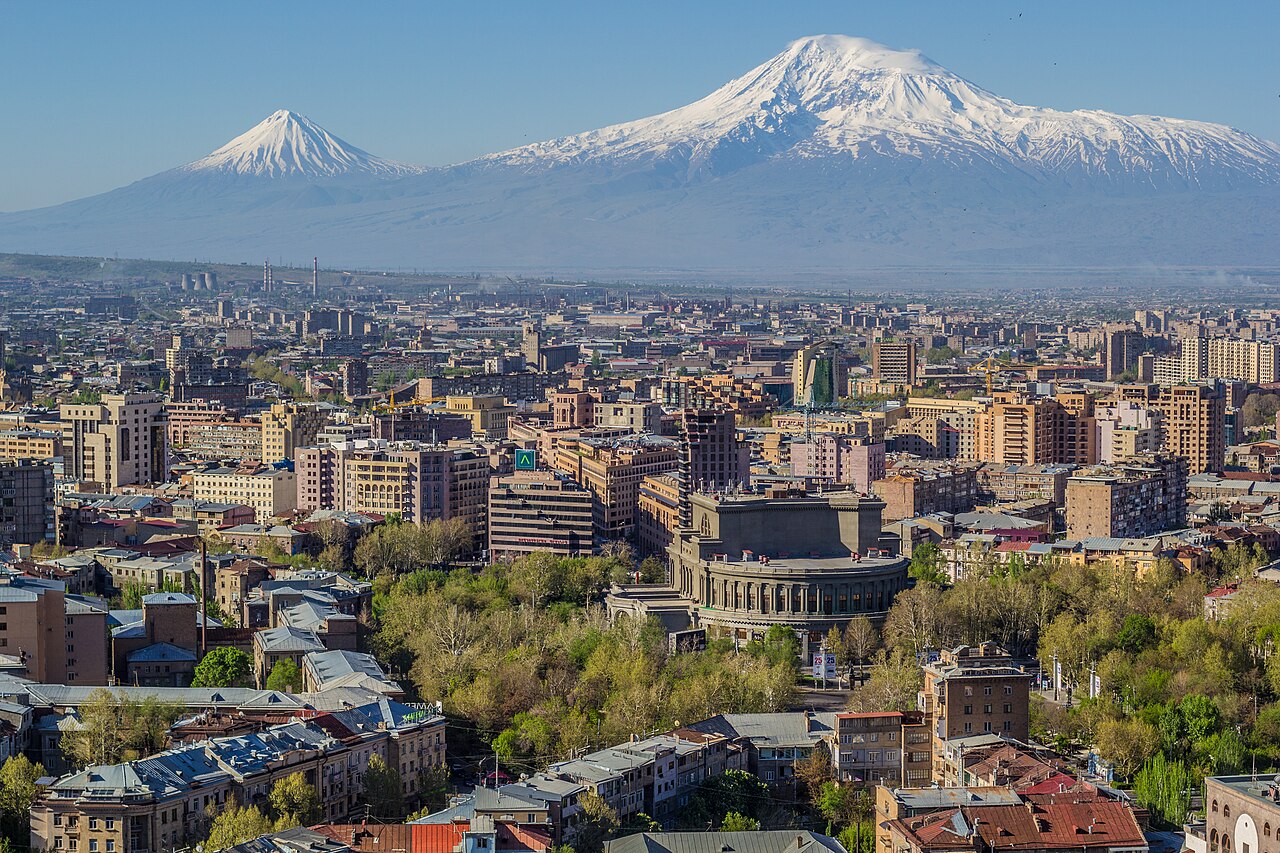
The 17th Conference of the Parties to the Convention on Biological Diversity (COP17) formally began in Yerevan, Armenia, on 19 October with more than 10,000 delegates, Down To Earth reported. Over 11 days they will examine why progress on the Kunming-Montreal Global Biodiversity Framework, agreed in 2022 with 23 targets for 2030, has fallen short.
COP17 is the framework's halfway checkpoint, and the news is poor. The State of Biodiversity Action report, released on 15 October by UN Secretary-General António Guterres, found fewer than half of the assessed targets on track.
The 2022 commitments included protecting 30% of land, inland waters and seas, mobilising $200 billion a year from all sources, including $30 billion in international public finance, and sharing more of the benefits, including financial benefits, from the use of nature's genetic information. Civil society groups say the situation has worsened instead.
Delegates will try to finalise the "Yerevan Pathway", a set of decisions to speed up implementation, close gaps in biodiversity finance and get commitments back on track over the next four years. "Yerevan is about accelerating action to protect nature," said Astrid Schomaker, executive secretary of the convention. "Commitments must be honoured."
Armenia's own record is under scrutiny after the government approved operations at the Amulsar gold mine despite years of environmental concerns, and the Global Forest Coalition has urged the hosts and parties to confront such contradictions. Negotiations under the Cartagena Protocol on Biosafety and the Nagoya Protocol on access and benefit-sharing are being held alongside COP17.
The report was written by Vibha Varshney.
Photo: Serouj Ourishian / Wikimedia Commons (CC BY-SA 3.0)
Source: Down To Earth

Comments
(0)