
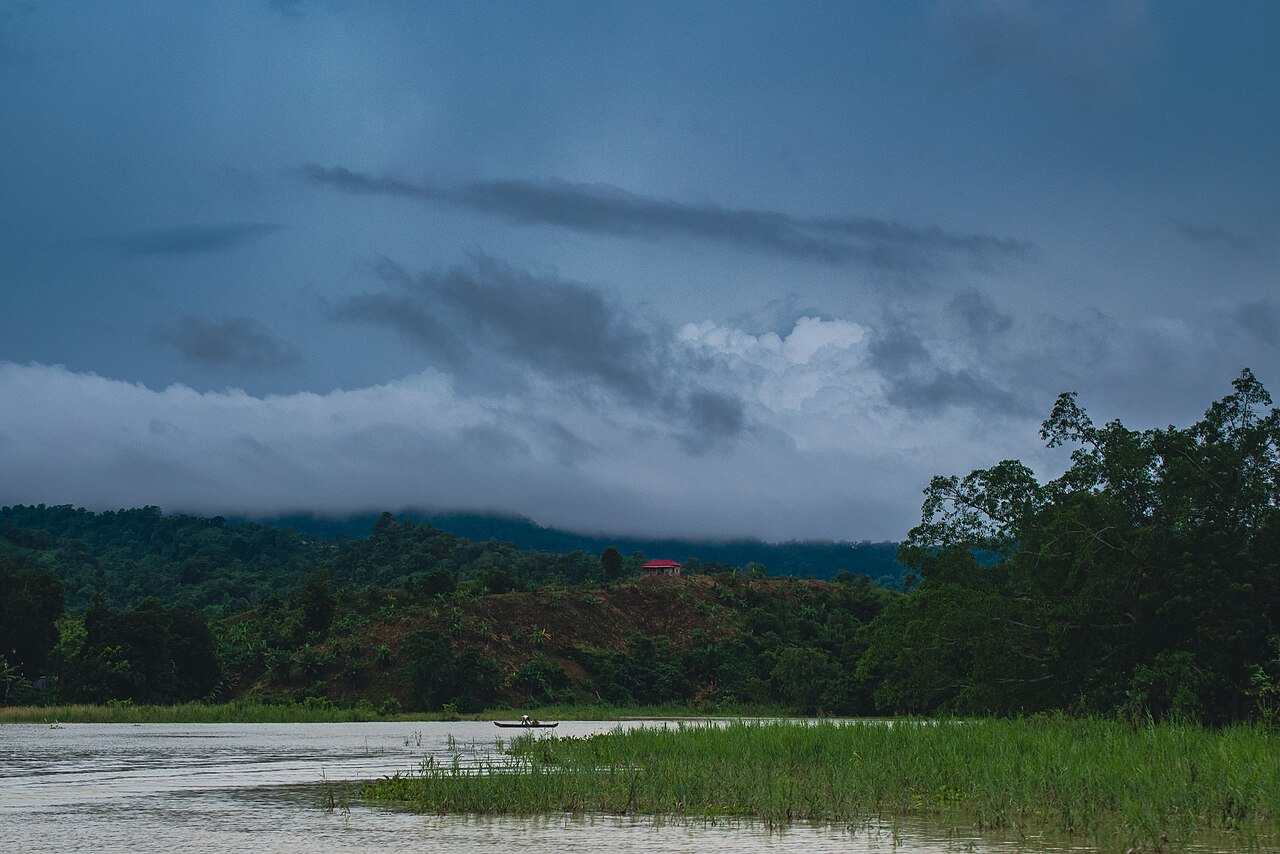
Researchers have found microplastics in the fish, water and bed sediment of Kaptai Lake in Rangamati. The findings come from separate studies by researchers at Chattogram Veterinary and Animal Sciences University (CVASU) and Noakhali Science and Technology University (NSTU), published in international journals on Springer Nature Link and ScienceDirect.
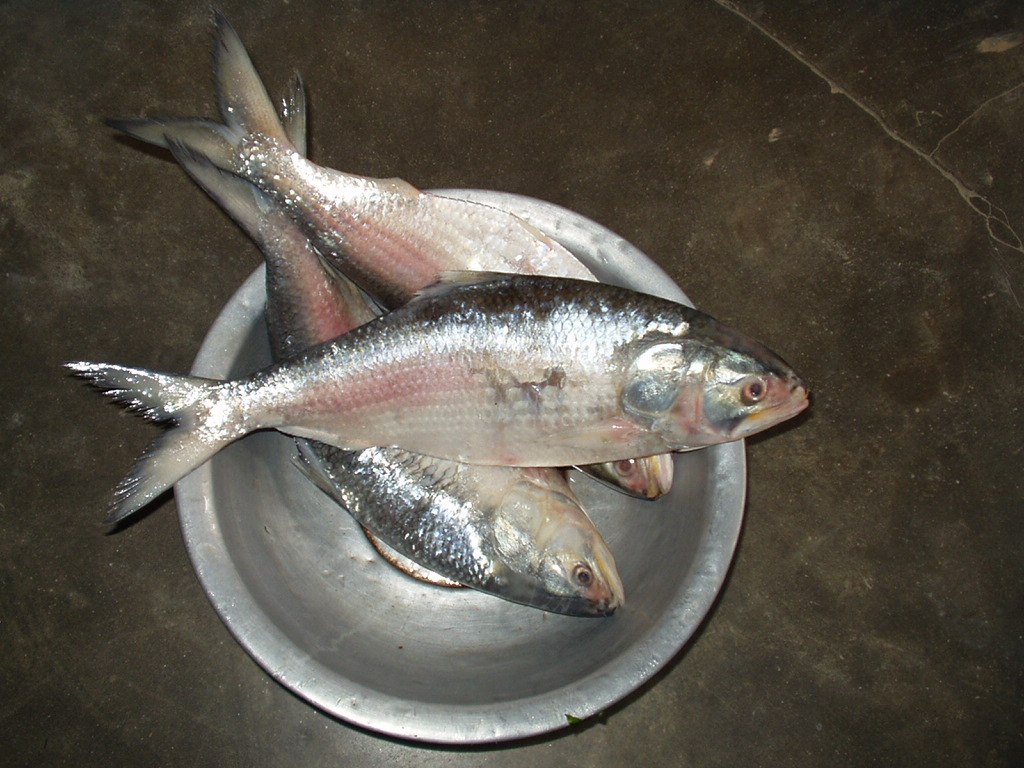
The studies examined rui, catla, kalibaus, tilapia, kachki, chapila and other species. In the fish's digestive tracts the researchers found tiny plastic fibres, nylon particles and broken fragments of plastic waste. One report says that all 75 samples of five kinds of small native fish, collected in December 2024 from the lake's Reserve Bazar, Subhalong Bazar and the Bangladesh Fisheries Development Corporation (BFDC) landing ghat, contained microplastics.
Tengra carried the most (0.63 grams). Fibres from fishing gear and household waste accounted for 85 percent of the particles, and polythene polymers for 71 percent. Particles building up in fish could affect their feeding, growth, breeding and resistance to disease, the researchers say.
Saifuddin Rana, associate professor of fisheries resource management at CVASU, said the research was done mainly to raise awareness and does not mean Kaptai's fish cannot be eaten; what matters is stopping plastic pollution, because a bottle or other rubbish thrown into the lake today stays in the environment for a long time and breaks into tiny particles. Fisheries researcher Md Moinuddin Pathan, who worked with the NSTU team, said microplastics were also found in the lake's water and soil.
HM Rakibul Islam, senior scientific officer at the Bangladesh Fisheries Research Institute's Rangamati station, said his institute also plans research on the subject; if plastic and polythene pollution is not controlled, the breeding and growth of native fish could suffer. Rangamati civil surgeon Nuen Khisa said microplastics entering the body through fish may cause no immediate harm, but there is concern about possible long-term risks such as damage to the digestive tract, kidneys and liver.
Kaptai Lake, created in 1962 for hydropower, is the Rangamati region's most important water body. Residents say plastic bottles, polythene and single-use plates thrown away by locals, businesses and tourists are adding to its pollution, and part of the town's waste goes straight into the lake. Deputy commissioner Najma Ashrafi said shopkeepers and traders have been given waste baskets and drives against those polluting the lake will be carried out soon.
The report is by Samakal's Rangamati correspondent.
Photo: Foysal Mehedi / Wikimedia Commons (CC BY-SA 4.0)
Source: samakal

Comments
(0)