
Trevor Warmedahl worked in a commercial cheese factory in Seattle in the United States. One day he realised he had never seen the animals whose milk he turned into cheese every day. Leaving that industrial routine behind, he quit his job and set off around the world to learn traditional cheese-making. Ajker Patrika's feature desk tells his story.
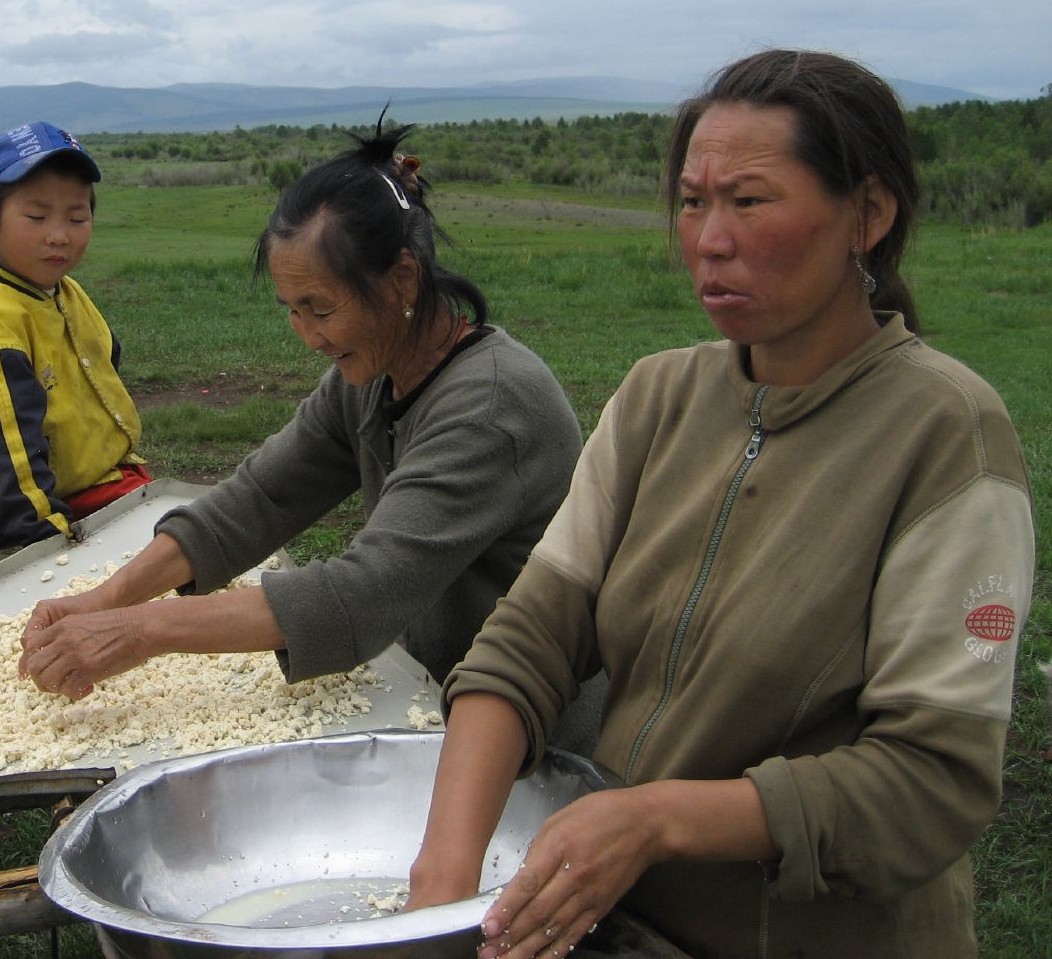
In 2019 he went to Ulaanbaatar in Mongolia, where he found dairy food treated as sacred; before making cheese, women scatter milk into the air as an offering, a custom known as a milk libation. Crossing the Gobi to the Zavkhan steppe, he stayed with nomadic herders and learned to milk yaks before dawn, graze herds in mountain valleys and dry milk into aaruul, a sweet-and-sour cheese.
Of more than 20 countries visited in six years, his most thrilling experience was in Georgia. In the mountain village of Omalo near the Russian border he found Tushuri guda, a nearly lost cheese he calls 'fossil cheese', made by milking sheep into wooden pails and keeping the curd inside a sheepskin. At the end of the season he walked 130 km of rough trails down to the valley with shepherds and a flock of 300 sheep.
Warmedahl believes the diversity of livestock and dairy foods is shrinking fast in the industrial age. Because animals can turn grass on marginal or drought-prone land into milk, he says, herding livelihoods are a durable way to cope with climate uncertainty. The soil and microbes of the pastures where animals graze come through in the cheese, as in Norway's gamalost or Turkey's tulum peyniri aged in goatskin.
His advice to travellers is to skip staged displays, ask at local cheese shops and go straight to the farms, accepting the mud and old equipment, so that the money goes directly to small farmers. He calls this responsible 'lacto-culinary' tourism.
Reporting: Feature desk, Ajker Patrika
Photo: Steven Burt / Wikimedia Commons (CC BY-SA 2.0); milk curds drying in Mongolia
Source: Ajker Patrika

Comments
(0)