
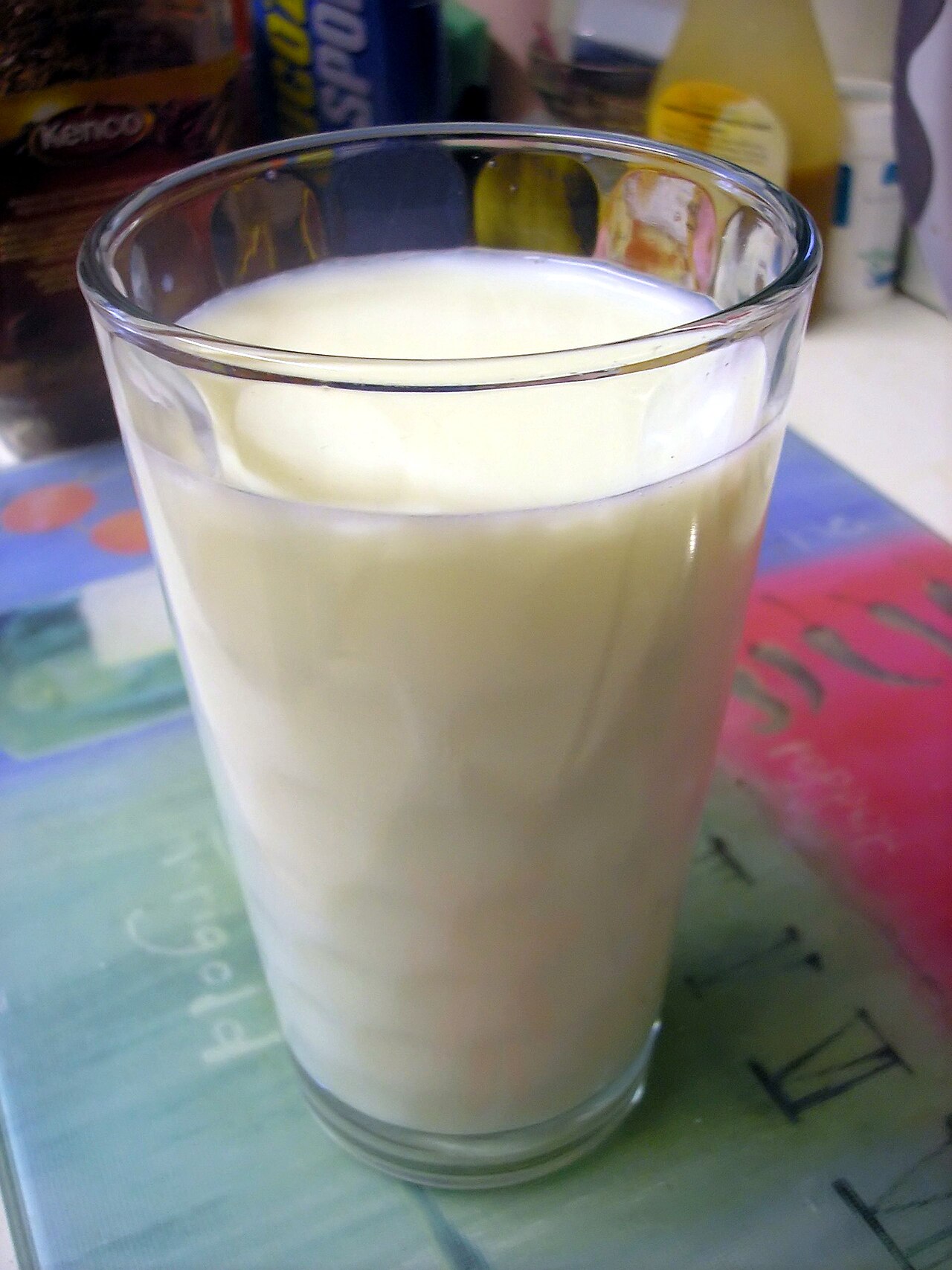
Milk goes into tea, coffee and children's food every day, yet many people doubt the purity of what they buy, given complaints that water is added and detergent used to thicken it or raise a froth. A report by Ittefaq Digital sets out a simple home check for possible detergent, described by India's Food Safety and Standards Authority (FSSAI).
The method: put a little milk in a clean glass or small bottle, close it, shake for a few seconds, then watch whether foam forms on top and how long it lasts. Thick foam that lasts a long time may raise suspicion that detergent or something else has been added.
The reasoning is that adding water changes milk's density and natural character, and if someone adds detergent to bring back the froth, its chemicals change the liquid's surface tension and keep the foam stable.
There are caveats. Pure milk also foams when shaken, and fat content and processing affect how long the foam lasts. So it is wrong to conclude that milk is pure because the foam fades quickly, or adulterated because it lingers. The test gives only a first indication; confirming adulteration needs a reliable laboratory.
The report advises buying from trusted sellers or companies with quality control. For packaged milk, check the production and expiry dates, ingredients, licence details and seal, and avoid torn, leaking or swollen packs. Whether a carton or a plastic pouch, packaging alone does not make milk safe; quality depends on production, storage and supply.
Milk with an unusual colour, smell or taste is best not drunk, and should never be given to children. If in doubt, the report says, seek help from the food safety authority.
Reporting: Ittefaq Digital
Photo: Janine Chedid / Wikimedia Commons (CC BY-SA 3.0)
Source: Ittefaq



Comments
(0)