
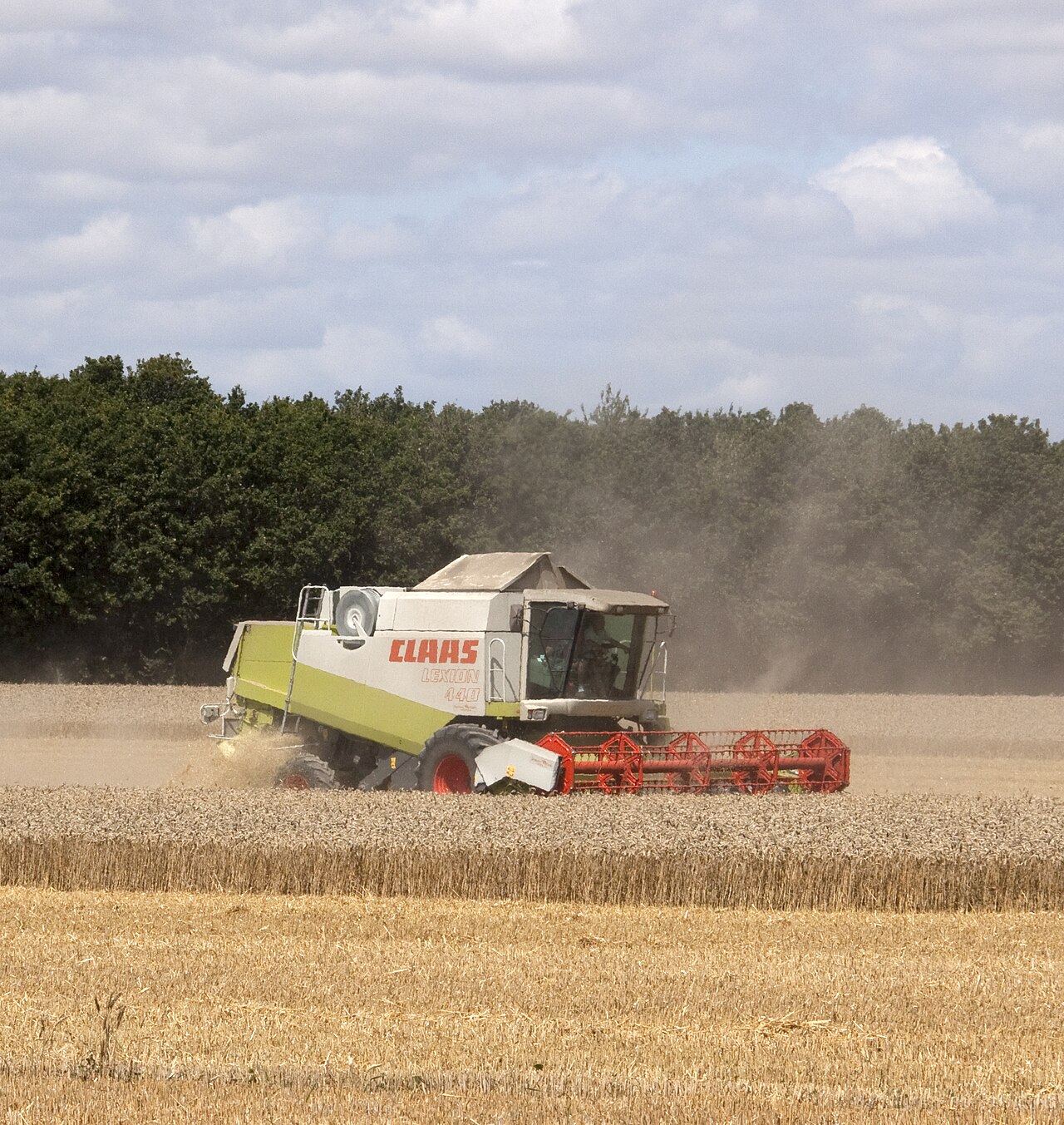
A seed-applied crop nutrition product called Arginex raised winter wheat yields by an average of 4.3 percent in independent field trials at seven sites in France, Germany, Italy and Poland during the 2025/26 season, its Swedish developer Arevo says.
The product combines the amino acid arginine with phosphate in a non-microbial formulation coated onto the seed. According to Arevo, it works by activating the root zone and supporting root development, so the young crop establishes faster.
The trials covered 340 plots and tested five fertiliser rates with and without the seed treatment. Treated wheat produced on average 0.26 tonnes more grain per hectare than untreated wheat, and yield variability between plots was about 20 percent lower. Grain protein content and thousand-kernel weight were largely unchanged.
The fertiliser results may interest growers most. Where nitrogen and phosphorus inputs were cut by 20 percent, treated wheat yielded no differently, statistically, from untreated wheat on the full fertiliser programme. Untreated wheat on the reduced rate lost 0.43 tonnes per hectare against the full programme.
The gains were largest where establishment was hardest. Drought and sandy soils hit crop establishment in Poland, and high temperatures in May and June affected the Italian sites. At the two Italian sites treated seed emerged 14 to 18 percent faster and early spring canopy greenness was 15 to 29 percent higher; in Poland treated plots had 12 to 18 percent more ground cover.
The results come as drought, heat stress and fertiliser costs weigh on European arable farming. Arevo says further evaluations are planned for the 2026/27 season to test whether the results hold in other conditions; earlier trials of an Arginex product for corn reported yield gains of up to 4.3 percent with 30 percent less nitrogen in Europe and South America.
The figures are from Arevo's announcement of the trial results, which it says were run independently.
Photo: Tony Hisgett / Wikimedia Commons (CC BY 2.0)
Source: Global Agriculture

Comments
(0)