
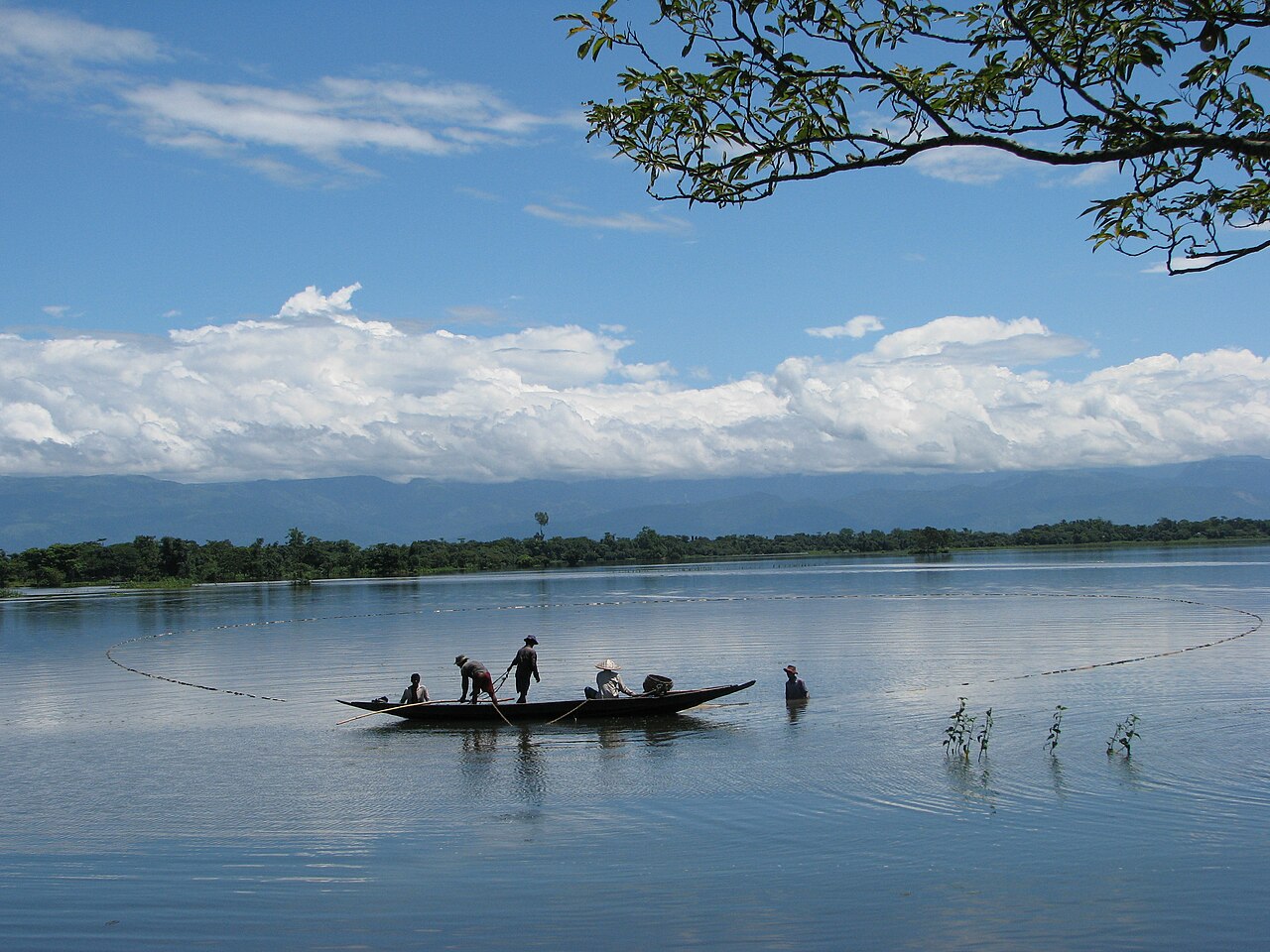
In Shalla, a haor-ringed upazila of Sunamganj, the water has drained from the haor earlier than in other years. With the water gone in the Bengali month of Ashwin, land meant for Boro rice has begun to dry out, and in places farmers fear the soil will crack. They are worried about the coming Boro season.
Local farmers say the haor water normally starts falling at the beginning of Kartik, and the land becomes fit for seedbeds between the 10th and 15th of that month, when they prepare seedbeds and sow rice. This year that familiar pattern has changed: both the seedbed plots and the main Boro fields are drying.
By the traditional farm calendar and local experience, farmers do not sow seedbeds before a set time in Kartik. So even though the land is ready, they may have to wait another 15 to 20 days to sow, and in that time they fear the soil will lose the moisture it needs and harden.
If the land dries too much, seedbeds and planting may need extra irrigation, raising costs and making it hard to start Boro on time, farmers fear. The early drainage is now the main talk among farmers in this farm-dependent upazila, and they want advice and action from the agriculture department.
Shalla upazila agriculture officer Shuvojit Roy said that because the haor water has receded relatively early this year, some land may lose moisture, but what effect that will have on Boro can only be judged by watching the fields. Farmers are being advised to prepare seedbeds according to local weather, the state of their land and the agriculture department's advice.
The report is by Manab Zamin's Shalla (Sunamganj) correspondent.
Photo: Balaram Mahalder / Wikimedia Commons (CC BY-SA 3.0); floodplain fishing in a haor of Bangladesh.
Source: Manab Zamin

Comments
(0)