
Fruits
Local Fruit Prices Fall in Dhaka as Buyers Stay Away After Eid
Local fruit prices in Dhaka have eased after Eid because of a shortage of buyers, although supply remains normal.
Local fruit prices in Dhaka have eased after Eid because of a shortage of buyers, although supply remains normal.
Families staying in Dhaka over the Eid holiday can spend a day among animals and trees at the National Zoo and the National Botanical Garden in Mirpur.
The banyan tree, once the heart of village life in rural Bengal, is vanishing as people cut trees to build, and the writer calls for its conservation.
 Crops
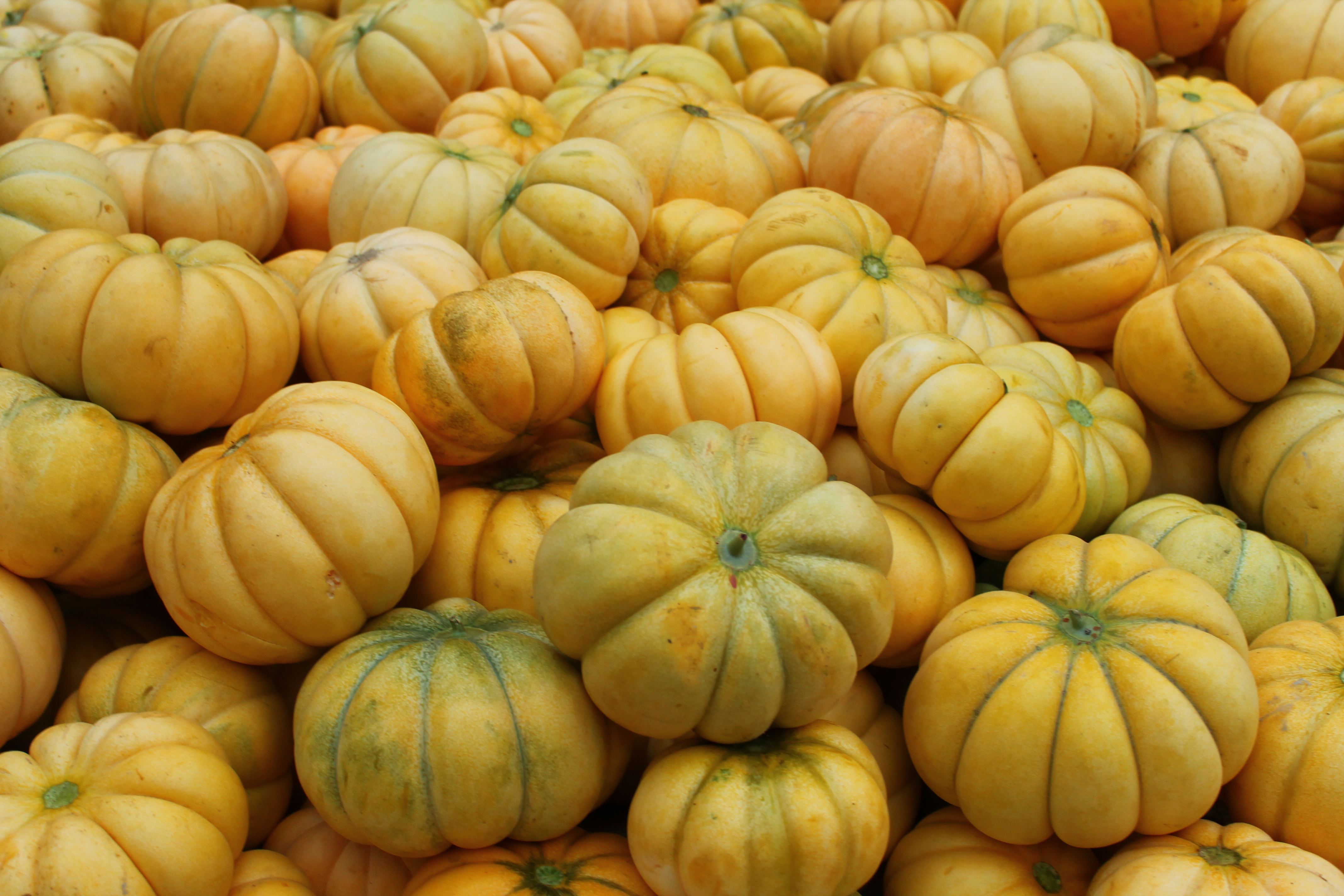
In early April 2025, melon farmers on 434 hectares in Kotalipara, Gopalganj, feared losses: drought had cut yields and, with traders staying away, a melon that sold for Tk 30 to 60 a year earlier fetched Tk 15 to 20.
Dr Forkan Ali argues that mud crab farming in Bangladesh's coastal belt could cut unemployment and earn foreign currency, and sets out how to do it.
Without a cold store in Tungipara, Gopalganj, thousands of tonnes of tomatoes are rotting in the fields and farmers cannot cover their production costs.
US President Donald Trump's new tariff list includes the uninhabited Heard and McDonald Islands, an Australian territory in the sub-Antarctic Indian Ocean.
Shariatpur housewife Labony Akter taught herself from Google and YouTube to rear Swiss albino mice and now earns at least Tk 20,000 a month.
The spread of brick kilns has become a serious threat to Bangladesh's farmers, from lost topsoil and polluted water to lower boro rice yields.
Tomato farmers in Mirsarai and Sitakunda, Chattogram, are leaving their crop to rot because wholesale prices of Tk 3-5 a kg do not cover the cost of picking and transport.
Dr Forkan Ali warns that global biodiversity collapse and climate change are already emptying Bangladesh's rivers, fish stocks and bird life.
Dr Forkan Ali argues that a village-level livestock extension programme with training and low-interest loans could create new jobs for about one crore people.
 Fisheries
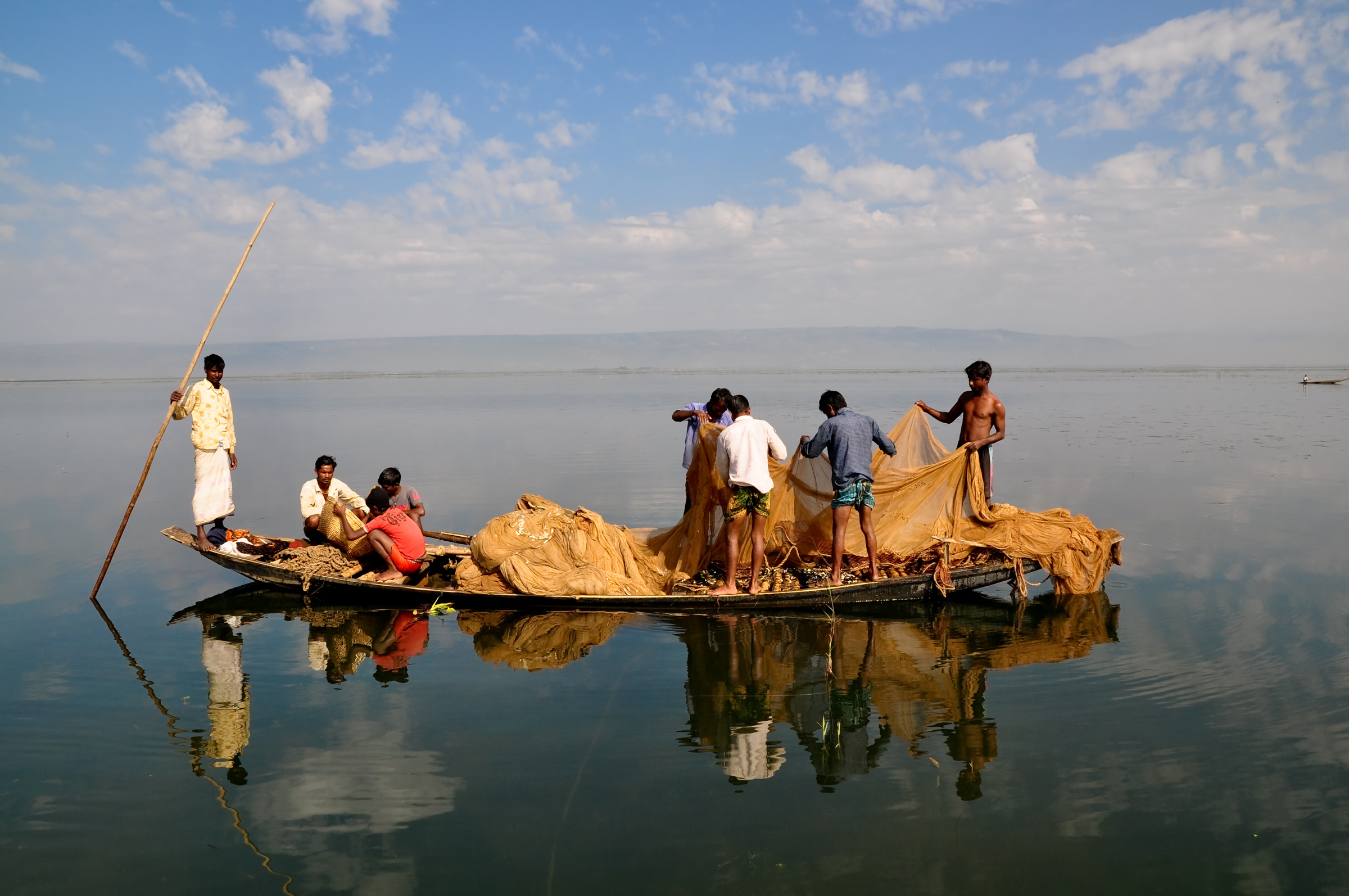
A draft amendment to the fish conservation rules, published by the Ministry of Fisheries and Livestock on 25 March 2025, would ban fishing in the haors of seven districts from 29 May to 28 June every year; objections were invited within 60 days.