
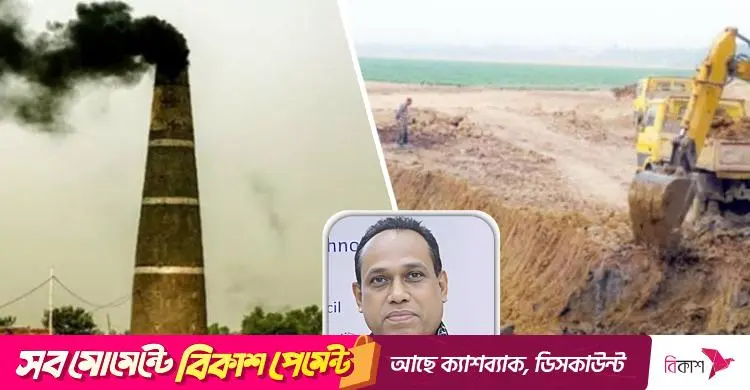
The spread of brick kilns has become a serious threat to Bangladesh's agriculture and farmers. The destruction of farmland, falling crop production, and air and water pollution are pushing farmers' lives and livelihoods towards disaster.
Boro rice caught in the kilns' trap
Boro rice, one of Bangladesh's main crops, is mainly planted in winter and harvested in early summer. The widespread expansion of brick kilns and their pollution are seriously threatening its production.
Air pollution and damaged leaves: carbon monoxide (CO), sulphur dioxide (SO2), nitrogen oxides (NOx) and black smoke from kilns settle on rice plants and hinder photosynthesis. The polluting gases and ash damage leaves and panicles, causing problems in grain formation.
Falling soil fertility: the kilns' high temperatures and smoke destroy organic matter in the soil, which is essential for crop growth. Dust and ash form a layer on the soil that reduces its water-holding capacity and aeration.
Water shortage and irrigation problems: boro rice needs ample irrigation, but kilns draw groundwater and lower the water table. Nearby canals, ponds and rivers are polluted by kiln ash and waste, making the water unfit for irrigation.
Heat and flowering: brick kilns raise temperatures in the surrounding area by up to 5-10 degrees Celsius. High temperatures reduce flowering in rice and disrupt pollination, cutting yields.
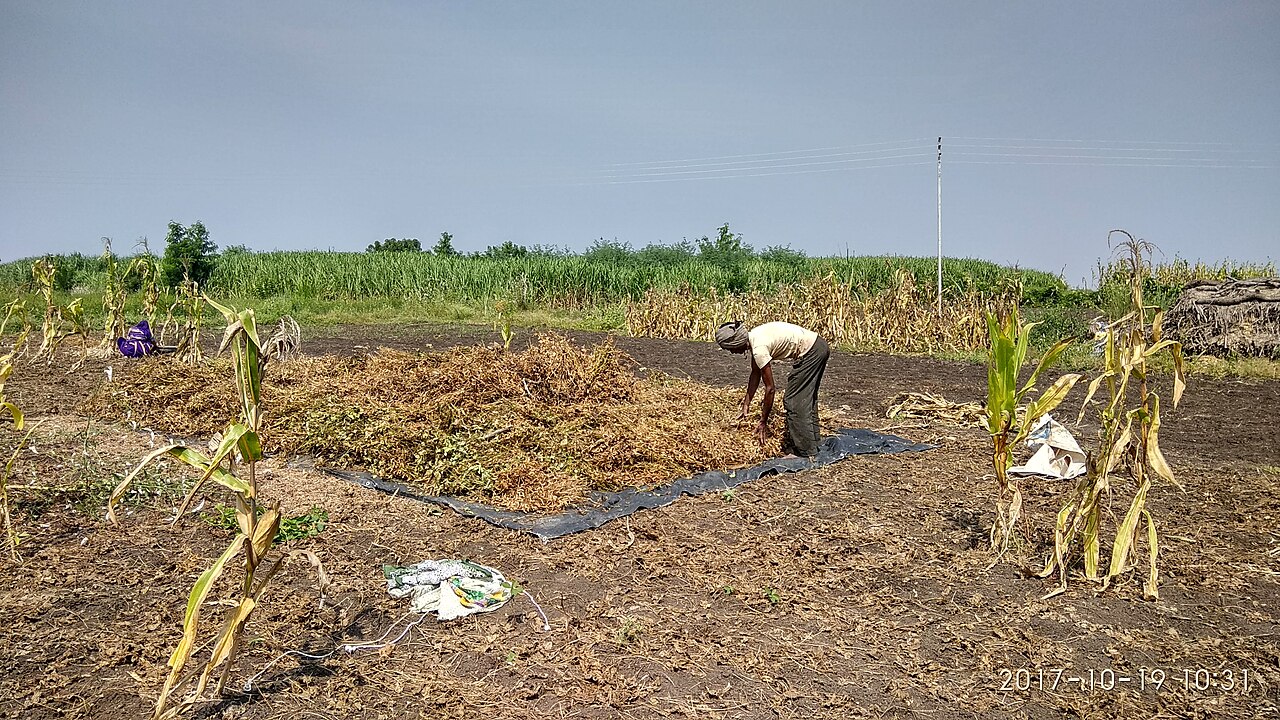
Losses at harvest: kiln pollution can make rice panicles dry out prematurely, reducing output. At harvest, dust and smoke cause breathing difficulties, burning eyes and other health problems for farmers.
Possible solutions include introducing environment-friendly kiln technology, strict enforcement of the law on setting up kilns, compensation and support for farmers, and protecting the water table and soil fertility. If effective action is not taken quickly, farmers' incomes will fall and the country's food security will be at risk.
How kilns hurt farming and farmers
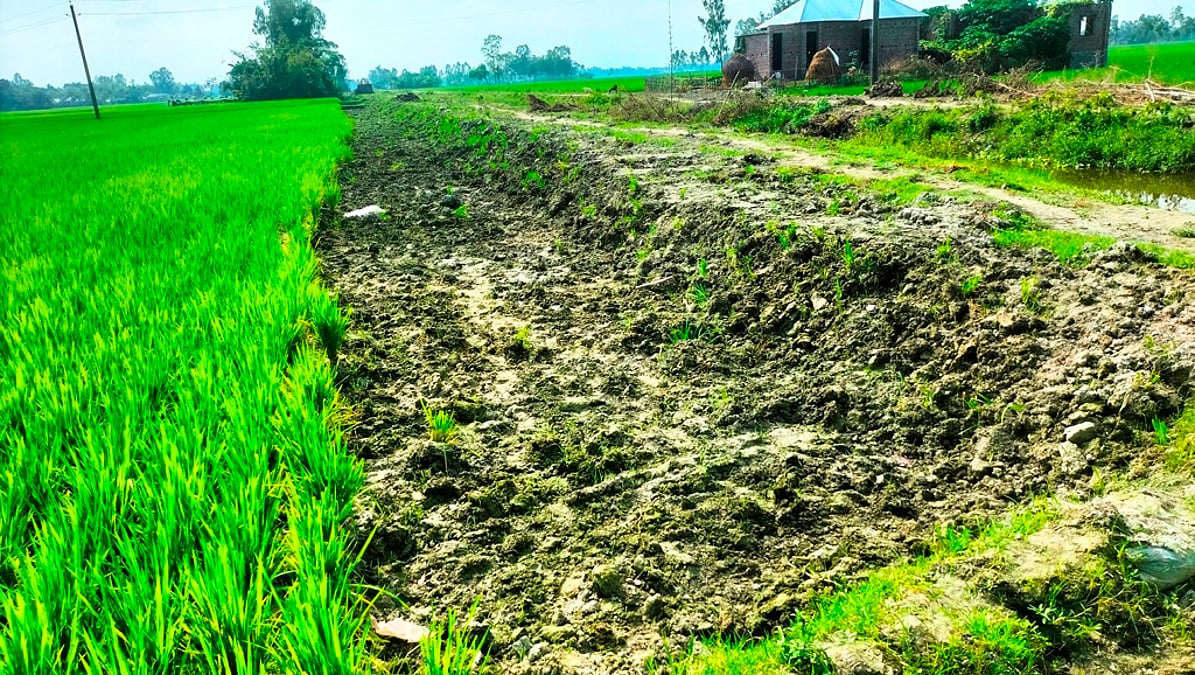
Loss of farmland and fertility: fertile soil is cut from cropland to make bricks, making future cultivation difficult. When the topsoil is lost, the soil holds less water and crop production falls. Many farmers have lost their land and been forced to give up farming.
Air pollution and crop damage: kilns emit carbon monoxide, sulphur dioxide and other harmful gases that scorch leaves, spoil fruit and stunt crop growth. Smoke and ash settling on crops block photosynthesis.
Heat: temperatures are higher around kilns, which is harmful to crops, especially summer crops such as rice, wheat and vegetables.
Farmers' health and living conditions: kiln smoke causes breathing difficulties, asthma and lung disease. Many farmers who lose their land are forced into work as labourers or van drivers. Using polluted water, farmers suffer various diseases.
Climate and uncertainty: gases and carbon emissions from kilns change the local climate. Irregular rainfall, drought and excessive heat increase uncertainty in crop production. In many places the falling groundwater table makes it hard to get water for irrigation.
Water pollution and falling groundwater: kiln chemicals and ash pollute nearby water bodies and soil water, and the groundwater table may fall, reducing the water available for irrigation.
Possible solutions
- Use alternative materials: concrete blocks, fly-ash bricks or other environment-friendly materials instead of bricks.
- Use non-agricultural soil: river silt or other non-farm soil instead of soil taken from farmland.
- Adopt environment-friendly kiln technology: zigzag, hybrid Hoffman kiln (HHK) and vertical shaft brick kiln (VSBK) technology instead of traditional kilns, which use less fuel and cause less air pollution.
- Enforce government controls and policy: strictly ban new kilns on farmland, maintain standards through environmental clearance and regular inspection, and apply strict rules on kiln pollution.
- Government subsidies could be given for alternative building materials.
Support and rehabilitation for farmers
Alternative sources of income should be created for farmers who have lost land, with easy-term loans, training and compensation. Agricultural research should develop sustainable cropping methods for polluted areas.
The excessive spread of brick kilns is having a devastating effect on farming and farmers' lives. Protecting farmland and farmers' rights through environment-friendly brick production, alternative building materials and government regulation is urgent. Otherwise, both the country's food security and its environment will be under threat.
Source: Jagonews24. First published in Bengali on The Agro News.
Comments
(0)